Choosing a Hatchery: Assessing Day-Old Chick Quality
How to Choose a Hatchery
Selecting the right hatchery is crucial for ensuring that you receive high-quality day-old chicks. Here are some essential factors to consider when making your choice:
- Reputation: Investigate the hatchery's reputation within the poultry community. Feedback from other farmers can provide insights into the quality of their chicks.
- Biosecurity Measures: Ensure the hatchery implements strict biosecurity protocols to prevent disease transmission. This is vital for maintaining the health of your future flock.
- Health Status of Breeding Flocks: Check if the hatchery regularly tests their breeding flocks for common poultry diseases. A hatchery that prioritizes health will produce better-quality chicks.
- Compliance with Animal Welfare Standards: Choose hatcheries that adhere to national animal welfare standards, which can enhance chick health and performance.
Factors to Assess Day-Old Chick Quality
Once you've chosen a hatchery and received your day-old chicks, it's essential to evaluate their quality immediately. Here are some key indicators to look for:
- Activity Level: Healthy chicks should be lively and active. If they are lethargic, it may indicate underlying health issues.
- Physical Appearance: Inspect for signs of deformities. High-quality chicks will have no visible physical deformities and should have bright eyes and well-healed navels.
- Signs of Dehydration: Look for signs of dehydration, such as wrinkled legs or dry beaks. These are indicators that the chicks may have experienced distress during transport and could require immediate attention.
- Body Condition: Chicks should have a smooth, clean appearance. Poor body condition could suggest inadequate nutrition prior to hatching.
Chick Delivery Checks
Before accepting your delivery, conduct a thorough check of the packaging and the chicks themselves:
- Packaging Condition: Ensure that the packaging is intact and that the chicks have adequate ventilation. Compromised packaging can lead to distress and poor chick quality.
- Temperature Management: Check the temperature during transport. Chicks should be kept warm but not overheated, as extreme temperatures can affect their survival and health.
- Quantity Verification: Count the chicks upon arrival to ensure you received the correct number. Report any discrepancies to the hatchery immediately.
Addressing Poor Quality Chicks
If you encounter poor quality chicks upon inspection, it’s important to take action:
- Document Findings: Take notes and photographs of any issues for future reference and to discuss with the hatchery.
- Contact the Hatchery: Reach out to the hatchery promptly to report issues. A reputable hatchery should be willing to address your concerns and may offer replacements or refunds.
- Consider Veterinary Support: If the chicks show signs of illness or distress, consult a veterinarian for guidance on appropriate care and potential treatments.
Ensuring Long-Term Chick Health
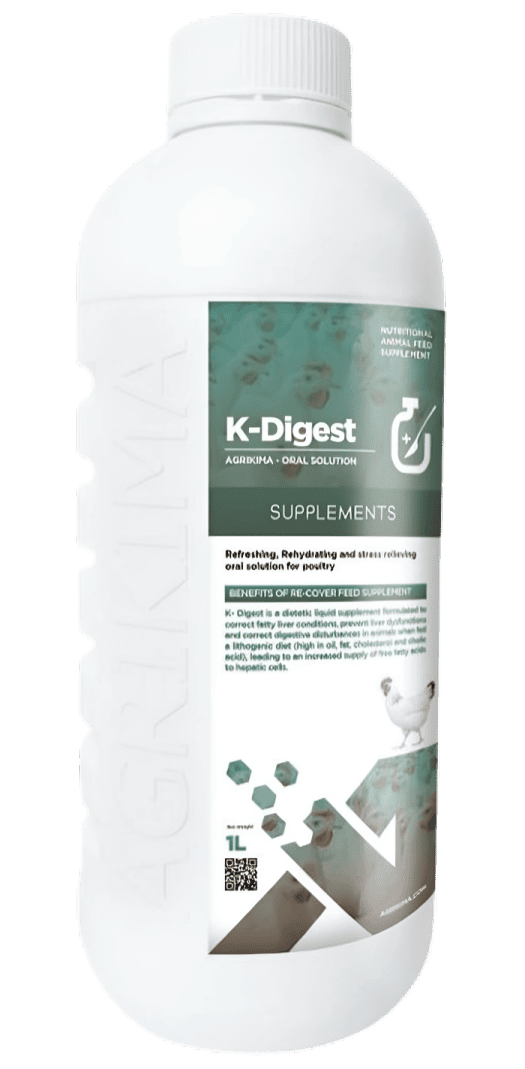
Investing in quality veterinary products and supplements can help maintain the health of your day-old chicks as they grow. High-quality feed additives can enhance growth rates and overall well-being. Additionally, regular vaccinations and health checks are essential to prevent diseases that can arise in young birds.
Conclusion
Choosing the right hatchery and ensuring day-old chick quality upon arrival is vital for a successful poultry venture. By focusing on reputable hatcheries that prioritize biosecurity and animal welfare, and by conducting thorough checks upon delivery, you can significantly improve the health and productivity of your flock. With the right practices, your investment will yield healthy and productive chickens.
Your message to the team
Sources: Read More
- Management of Day-Old Chicks — Food and Agriculture Organization of the United Nations
- Poultry: Selecting a Hatchery — Penn State Extension
- Evaluating Day-Old Chick Quality — Purdue University Extension
- Chick Quality and Broiler Performance — Poultry Science Journal
- Guidelines for Purchasing Day-Old Chicks — Australian Government Department of Agriculture, Fisheries and Forestry