Cleaning Milking Equipment to Lower SCC Effectively
Understanding the Importance of Cleaning Milking Equipment
Maintaining proper hygiene in your dairy operation is crucial for achieving lower somatic cell counts (SCC). High SCC levels can indicate health issues in your cows, particularly mastitis, and can negatively affect milk quality and profitability. In this guide, we will explore effective cleaning and sterilization methods for milking equipment that can lead to significant reductions in SCC.
Why Milking Machine Hygiene Matters
Milking machine hygiene is essential for:
- Preventing Bacterial Growth: Residue left in the system can promote bacteria growth, leading to higher SCC.
- Ensuring Milk Quality: Clean equipment results in better milk quality, which is critical for consumer satisfaction and market prices.
- Reducing Health Risks: Proper cleaning reduces the risk of infections in cows, particularly mastitis.
Steps for Effective Cleaning and Sterilization
1. Gather Necessary Supplies
Before you start, ensure you have the following supplies:
- Hot water
- Non-corrosive detergents
- Sanitizers or disinfectants
- Brushes and sponges
- Protective gloves
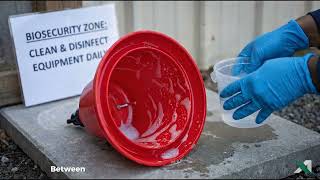
2. Rinse the Equipment
Begin by rinsing all components of the milking machine with warm water. This initial rinse helps remove any milk residue and prevents it from drying and hardening.
3. Apply Detergent
Use a non-corrosive detergent to clean all parts of the milking equipment thoroughly. Pay special attention to the milking liners, tubes, and collection containers. Use brushes or sponges to scrub areas that might harbor residues.
4. Rinse Again
After scrubbing, rinse the equipment again with warm water to ensure all detergent is removed. This step is critical as leftover detergent can affect milk quality.
5. Disinfect the Equipment
Choose a suitable sanitizer that can effectively kill bacteria and pathogens. Follow the manufacturer's instructions for dilution and application. Once applied, allow the sanitizer to sit for the recommended time before rinsing it off.
6. Drying the Equipment
Proper drying is essential to prevent bacterial growth. Allow the equipment to air dry completely before reassembly. If possible, place items in a clean, dry area with good ventilation.
Regular Maintenance Practices
In addition to daily cleaning, implement a regular maintenance schedule for your milking equipment:
- Daily Cleaning: Clean all equipment after each use.
- Weekly Inspection: Check for wear and tear on hoses and liners and replace them as needed.
- Monthly Deep Cleaning: Conduct a thorough cleaning of the entire milking system, including hard-to-reach areas.
Utilizing Veterinary Products and Supplements
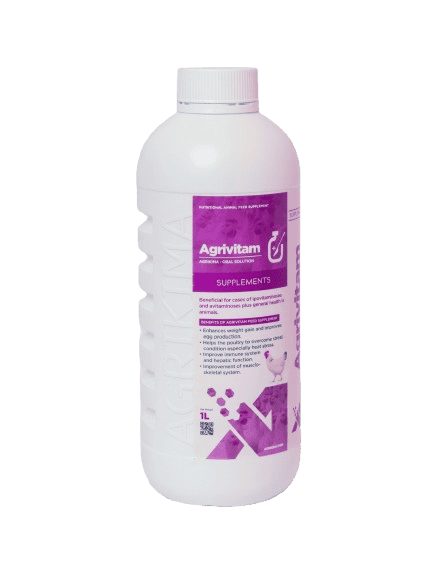
In addition to cleaning practices, consider using quality veterinary products and supplements designed to support udder health. These can further help in reducing SCC by promoting overall cow health, thus aiding milk production and quality.
Monitoring Somatic Cell Count
Regularly monitor SCC levels through milk testing. Keeping track of these levels will help you gauge the effectiveness of your cleaning practices and identify any health issues early on. A proactive approach can save you time, money, and resources in the long run.
Conclusion
Cleaning milking equipment effectively is a vital part of dairy management that directly influences somatic cell count and milk quality. By implementing the cleaning and sterilization practices outlined above, you can significantly reduce SCC, ensuring healthier cows and higher-quality milk. Remember, a clean milking environment is not just about compliance; it’s about the health and productivity of your herd.