Controlling East Coast Fever in Beef Cattle: A Guide

Understanding East Coast Fever in Beef Cattle
East Coast Fever (ECF) is a serious tick-borne disease caused by the protozoan parasite Theileria parva. This disease is particularly prevalent in parts of central, eastern, and southern Africa, imposing significant economic burdens through cattle illness and mortality, amounting to losses of approximately half a billion U.S. dollars annually. For beef cattle farmers, controlling this disease is crucial for maintaining herd health and productivity.
Recognizing the Symptoms of ECF
Early detection of East Coast Fever is vital for effective management. Common symptoms include:
- High fever (often above 40°C / 104°F)
- Swollen lymph nodes
- Loss of appetite
- Weight loss
- Diarrhea
- Abnormal breathing patterns
If you observe these symptoms in your herd, it is critical to consult a veterinarian immediately for further evaluation and treatment options.
Implementing Effective ECF Control Strategies
Controlling East Coast Fever in beef cattle involves a multifaceted approach that includes vaccination, vector control, and management practices.
1. Vaccination Against ECF
The most effective method to control East Coast Fever is through vaccination. The Infection and Treatment Method (ITM) is the only commercially available vaccine that has been utilized since the 1970s to combat this disease. This method involves infecting cattle with a controlled dose of the parasite followed by treatment with an appropriate antibiotic. This process helps to build immunity against ECF.
Efforts are underway to enhance the availability of ECF vaccines, which is essential for improving farmer access to these critical resources. As a farmer, ensure that your cattle are vaccinated according to the recommended schedules to maintain their health.
2. Tick Control Measures
Ticks are the primary vectors for transmitting Theileria parva, making tick control a vital component of ECF management. Here are some effective strategies:
- Regular Tick Inspections: Conduct regular checks on your cattle for ticks, especially during peak tick seasons.
- Use of Acaricides: Apply acaricides (tick control products) as recommended to reduce tick populations. Rotate products to prevent resistance.
- Pasture Management: Maintain clean pastures by regularly mowing and removing bushes where ticks thrive. Consider rotational grazing to minimize tick exposure.
- Fencing and Shelter: Create fenced areas that prevent wildlife, which may carry ticks, from accessing your cattle.
3. Cattle Movement Restrictions
Limiting the movement of cattle between farms can significantly reduce the risk of ECF transmission. Ensure that any new cattle introduced to your herd are from ECF-free sources and are quarantined for a period to monitor for any signs of illness.
4. Improving Overall Herd Health
General herd management practices play a crucial role in controlling East Coast Fever. Here are some tips:
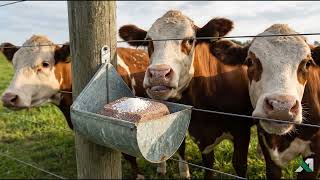
- Nutrition: Provide a balanced diet enriched with necessary supplements to boost the immune system of your cattle.
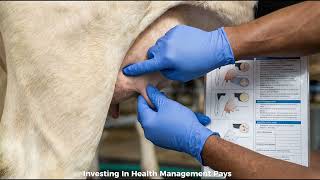
- Regular Veterinary Check-ups: Schedule regular health check-ups with a veterinarian to ensure early detection and management of any health issues.
- Stress Management: Reduce stress in cattle through proper handling techniques and providing comfortable living conditions.
Utilizing Quality Veterinary Products
In addition to vaccinations and management practices, utilizing quality veterinary products and supplements can further enhance cattle health. Products that support immune function and overall well-being are essential in managing ECF risks. Explore options available through Agrikima for natural animal health solutions tailored to your needs.
Conclusion
Controlling East Coast Fever in beef cattle requires a proactive approach that combines vaccination, tick management, and overall herd health strategies. By implementing these measures, farmers can protect their herds from this devastating disease, ensuring a healthy and productive farming operation. Stay informed, adapt your management practices, and utilize quality veterinary products to combat the challenges posed by ECF.
Your message to the team
Sources: Read More
- Enhancing East Coast Fever control through informed action — Washington State University College of Veterinary Medicine
- Production and dose determination of the Infection and Treatment Method (ITM) Muguga cocktail vaccine used to control East Coast fever in cattle — ScienceDirect
- The control of East Coast fever of cattle by live parasite vaccination: A science-to-impact narrative — PubMed
- Methods currently used for the control of East Coast fever: their validity and proposals for future control strategies — PubMed
- Economics of East Coast fever: a literature review — FAO AGRIS