Controlling Mange and Lice in Sheep and Goats
Understanding Mange and Lice in Sheep and Goats
Mange and lice are common external parasites that can significantly affect the health and productivity of sheep and goats. These parasites feed on the animal's skin and blood, leading to discomfort, irritation, and potential secondary infections. Effective management strategies are crucial for maintaining healthy livestock.
Identifying Mange and Lice
Mange is primarily caused by mites, which can infest various parts of the body, including the head, legs, and tail. The symptoms include itching, hair loss, and crusted skin. Lice, on the other hand, are wingless insects that also cause itching and discomfort. Identifying these pests early can help in implementing effective control measures.
Types of Mange Affecting Goats
- Sarcoptic mange: Caused by Sarcoptes scabiei mites, this type leads to severe itching and skin lesions.
- Demodectic mange: Caused by Demodex mites, it results in localized hair loss and skin irritation.
- Psoroptic mange: Linked to Psoroptes mites, it is characterized by crusty lesions and is highly contagious among goats.
Controlling External Parasites
Controlling mange and lice in sheep and goats requires a multi-faceted approach:
1. Regular Inspections
Conduct regular inspections of your flock to identify signs of infestation early. Look for itching, hair loss, and skin lesions. Early detection is key to preventing severe outbreaks.
2. Clean Housing
Keeping livestock housing clean is essential in controlling external parasites. Regularly remove bedding and waste to reduce the environment where these pests thrive.
3. Use of Insecticides
Insecticides can be effective in controlling lice and mange. Pour-on applications of organophosphorus insecticides, such as diazinon, have been shown to eradicate infestations in sheep. Always follow the manufacturer's guidelines and consult with a veterinarian for appropriate product recommendations.
4. Natural Remedies
Some farmers opt for natural remedies to control external parasites. Essential oils, such as eucalyptus and tea tree oil, may help repel lice and mites. However, their effectiveness can vary, so it's essential to monitor results closely.
5. Nutritional Support
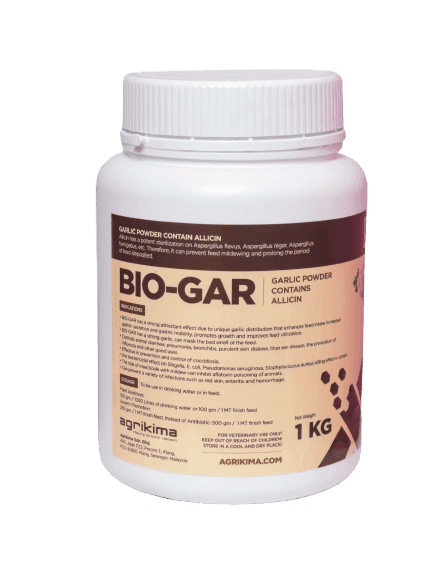
Providing high-quality nutrition can enhance the overall health of sheep and goats, making them less susceptible to infestations. Consider using veterinary supplements that promote healthy skin and coat, which can help in the fight against external parasites.
Sheep Ked Control
Sheep ked, a wingless fly that can also infest sheep, requires specific control measures. Studies have shown that pour-on applications of insecticides can effectively manage sheep ked populations. Regular monitoring and treatment can help keep infestations under control.
Preventive Measures
Preventing mange and lice infestations is more effective than treating them after they occur. Here are some preventive strategies:
- Quarantine new animals: Always quarantine new arrivals for at least two weeks to ensure they are free from parasites.
- Maintain good hygiene: Regularly clean and disinfect feeding areas and water troughs to reduce parasite load.
- Rotate pastures: Rotating grazing areas can help break the life cycle of external parasites.
Conclusion
Controlling mange and lice in sheep and goats is essential for their health and productivity. By implementing regular inspections, maintaining cleanliness, using appropriate insecticides, and providing nutritional support, farmers can effectively manage these external parasites. Investing in quality veterinary products can further enhance the health of your livestock and reduce the risks associated with infestations.
Your message to the team
Sources: Read More
- External Parasites of Sheep and Goats — University of Florida IFAS Extension
- Zoonotic Diseases – Sheep and Goats — USDA APHIS
- Chapter 3: Cattle, sheep, goats and buffalo — Food and Agriculture Organization of the United Nations
- Mange Mites of Goats in Malle District of South Omo Zone, Southern Ethiopia — Veterinary Medicine: Research and Reports
- Sheep ked control with pour-on applications of organophosphorus insecticides — Journal of Economic Entomology