Cool a Pig House Cheap: Effective Strategies for Farmers
Understanding the Importance of Cooling in Pig Housing
Cooling your pig house is crucial for maintaining the health and productivity of your pigs. Pigs are susceptible to heat stress, which can negatively impact their growth, feed efficiency, and overall health. Managing heat effectively is key to ensuring that your pigs thrive, especially in warm climates.
Utilizing Natural Ventilation
One of the most effective and low-cost pig cooling methods is utilizing natural ventilation. This technique uses wind and thermal buoyancy to circulate air within the pig house, helping to reduce temperatures without the need for mechanical systems.
Design for Natural Ventilation
- Orientation: Position the pig house to take advantage of the prevailing winds. A north-south orientation can maximize airflow.
- Openings: Ensure that your pig house has adequate openings, such as windows and vents, to promote airflow. High sidewall vents can facilitate upward air movement.
- Insulation: Use insulated materials in the construction of the pig house to prevent heat buildup during the day.
Implementing these natural ventilation strategies can significantly reduce the need for expensive cooling equipment.
Enhancing Airflow with Simple Solutions
Improving airflow within the pig house is essential for effective cooling. Here are some practical, low-cost solutions:
Install Curtain Systems
Installing simple curtain systems can improve airflow while protecting pigs from direct sunlight. Use lightweight materials that can easily be opened or closed depending on the weather. This solution allows for better control of airflow and temperature inside the pig house.
Use Fans Strategically
If you have access to fans, placing them near the openings can enhance the movement of fresh air into the pig house. Positioning fans to create a cross breeze can significantly lower temperatures inside the structure.
Evaporative Cooling Techniques
Evaporative cooling is another effective method for cooling a pig house cheap. This technique relies on the principle of evaporation to lower temperatures.
Water Sprinkling
Sprinkling water in the pig house can cool the air through evaporation. Ensure that the pigs have access to clean water at all times, as this is vital for their hydration and overall health. A simple sprinkler system can be set up to mist water during the hottest parts of the day.
Shade Provision
Providing adequate shade is essential for managing heat stress in pigs. You can use tarpaulins, shade cloths, or strategically planted trees to create shaded areas within and around the pig house. This will help reduce direct sunlight exposure and lower the overall temperature in the area.
Water Management
Ensuring a sufficient supply of fresh water is critical for effective swine heat management. Dehydrated pigs are more susceptible to heat stress, so consider implementing the following:
- Automatic Waterers: Install automatic waterers to ensure pigs have constant access to fresh water, reducing the risk of dehydration.
- Water Temperature: Regularly check the water temperature, as warm water can deter pigs from drinking enough. Providing cool water can enhance hydration during hot weather.
Regular Health Checks and Supplements
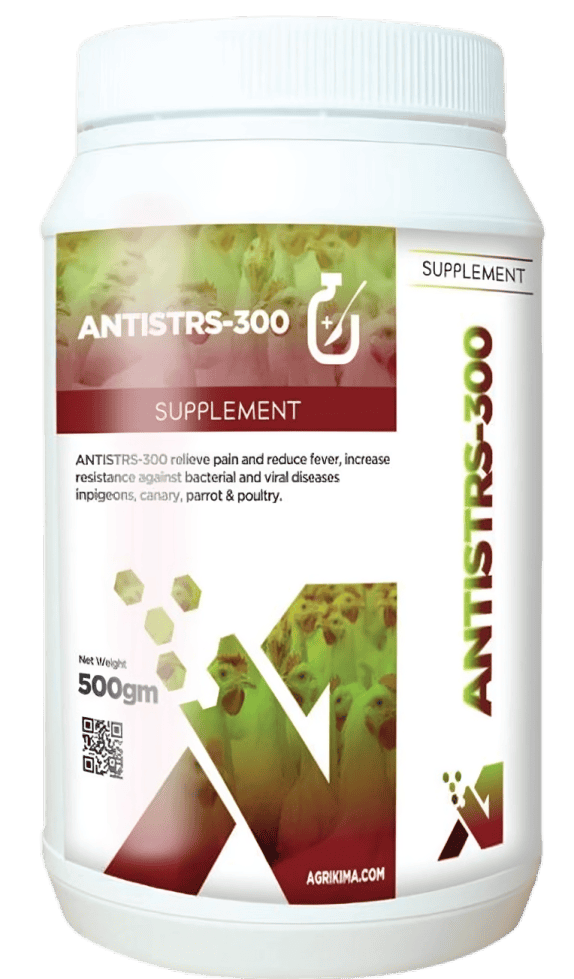
Maintaining the health of your pigs is crucial during the hot months. Regular health checks can help you identify signs of heat stress early. Additionally, consider using quality veterinary products and supplements to support your pigs' health. Products that enhance hydration and electrolyte balance can be particularly beneficial in hot weather.
Conclusion
Cooling a pig house does not have to be an expensive endeavor. By utilizing natural ventilation, enhancing airflow, employing evaporative cooling techniques, managing water supply, and ensuring overall health, you can effectively maintain a comfortable environment for your pigs. Implementing these strategies will not only keep your pigs healthy but also improve their productivity.
Your message to the team
Sources: Read More
- Natural Ventilation for Pig Housing — Food and Agriculture Organization of the United Nations
- Swine Housing and Equipment Handbook — Iowa State University Extension and Outreach
- Managing Heat Stress in Pigs — National Pork Board
- Swine Heat Stress: Impacts and Mitigation — Purdue University Extension
- Low-Cost Cooling Strategies for Swine — North Carolina State University Extension