Copper in Sheep and Goats: A Toxic Balance
Understanding Copper's Role in Sheep and Goats
Copper is an essential trace mineral that plays crucial roles in the health and metabolism of both sheep and goats. However, the required levels and tolerance for copper vary significantly between these two species. Understanding these differences is vital for farmers to prevent copper toxicity in sheep and ensure goats receive adequate copper for optimal health.
The Risks of Copper Toxicity in Sheep
Sheep are particularly sensitive to copper. While goats can tolerate higher levels of copper, sheep are at a greater risk of copper toxicity, which can be fatal. Copper accumulation occurs when sheep consume feeds and mineral mixes that exceed their copper tolerance, leading to chronic poisoning over time. The liver stores excess copper, and once it reaches toxic levels, it can cause severe health issues including liver damage and even death.
Signs of Copper Toxicity in Sheep
Farmers should be vigilant for signs of copper toxicity in sheep, which may include:
- Sudden behavioral changes
- Jaundice (yellowing of the skin and eyes)
- Weakness and lethargy
- Abdominal pain
- Death, often without prior warning
If any of these symptoms are observed, it is crucial to consult a veterinarian immediately.
Goats: Copper Requirements and Tolerance
In contrast to sheep, goats require higher levels of copper in their diet. They typically need around 25-30 ppm of copper, particularly lactating does, who may require even more to support milk production and overall health. This higher tolerance means that goats can safely consume mineral mixes designed for their species without the risk of toxicity that sheep face.
Importance of Species-Specific Mineral Mixes
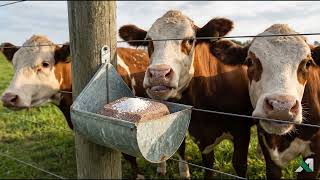
Using a single mineral mix for both sheep and goats is not advisable. Farmers should ensure that they are using species-specific minerals to cater to the differing copper requirements. For instance, while a mineral lick for sheep might contain less than 20 ppm of copper, goat minerals can contain up to 40 ppm without adverse effects.
Managing Copper Levels in Mixed Herds
For farmers that manage both sheep and goats, careful planning is essential. Here are some practical tips:
- Separate Feeding: Feed sheep and goats separately to ensure each species gets the appropriate mineral supplementation. This is crucial to prevent accidental copper toxicity in sheep.
- Regular Testing: Regularly test your feed and mineral supplements to ensure they meet the specific dietary needs of your flock. Utilizing quality veterinary products can help maintain the right mineral balance.
- Monitor Health: Keep an eye on the health of both sheep and goats. Any signs of distress in sheep should prompt immediate evaluation of their copper intake.
- Consult Experts: Work with a veterinarian or a livestock nutritionist to formulate diets that meet the specific mineral needs of both species, ensuring that sheep do not receive copper-rich feeds.
Conclusion
Understanding the critical differences in copper requirements between sheep and goats is essential for their health and productivity. By providing species-specific mineral mixes and closely monitoring their dietary intake, farmers can prevent copper toxicity in sheep while ensuring that goats thrive on their necessary copper levels. Utilizing quality mineral supplements designed for specific species can aid in achieving these goals, leading to healthier livestock and a more successful farming operation.
Your message to the team
Sources: Read More
- Mineral Nutrition — University of Maryland Extension
- Minerals for beginners — University of Maryland Extension
- AN363: Common Hazards Associated with Sheep and Goat Feed — University of Florida IFAS Extension
- Small Ruminant Series Minerals (Texas A&M AgriLife Extension) — Texas A&M AgriLife Extension
- Chronic Copper Poisoning in Sheep — Ohio State University Extension
- Copper Poisoning, a Deadly Hazard for Sheep (review) — Peer‑reviewed journal (Animals)