Cost of Producing a Kilo of Broiler Meat: A Budget Guide

Understanding Broiler Production Cost per Kilo
Broiler production is an essential component of the poultry industry, and understanding the broiler production cost per kilo is crucial for any farmer looking to maximize profits. The costs involved in broiler farming can vary significantly based on several factors, including feed prices, equipment costs, and labor. In this guide, we will break down the costs associated with producing a kilo of broiler meat using a batch-level budget approach.
Components of the Broiler Batch Budget
The broiler batch budget typically includes both fixed and variable costs. Here’s a breakdown of the primary components:
- Feed Costs: Feed is the largest expense in broiler production, accounting for a significant portion of the total cost. According to reports, feed can contribute up to 80.3% of the total cost per kg live weight.
- Chick Cost: The cost of purchasing day-old chicks is another important factor. This cost can vary based on breed and supplier.
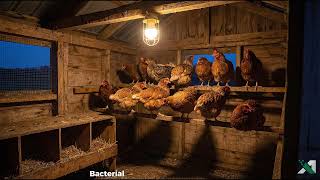
- Housing and Equipment Costs: This includes the costs associated with building and maintaining poultry houses and purchasing necessary equipment like feeders and waterers.
- Labor Costs: Labor is essential for daily operations, including feeding, cleaning, and monitoring the birds.
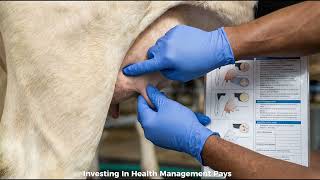
- Healthcare Costs: Investing in quality veterinary products and supplements can help maintain flock health, ultimately reducing mortality rates and improving growth rates.
Estimating Costs in Broiler Production
To create a comprehensive budget, let’s explore how each component contributes to the overall chicken farming costs.
1. Feed Costs
The average feed cost for broiler production is estimated to be around 66% of the total production cost. For example, if the total production cost is $4.40 per kg, then approximately $2.90 would be attributed to feed. Farmers should consider formulating their own feed using local ingredients to cut costs further.
2. Chick Costs
The cost of chicks can range based on the supplier and the breed selected. On average, chicks may cost anywhere from $0.50 to $1.00 each. For a batch of 1,000 chicks, this could mean an upfront cost of $500 to $1,000.
3. Housing and Equipment
Setting up a proper housing structure for broilers can cost several thousand dollars. Depending on the size of the operation, costs can range from $2,000 to $10,000. It’s essential to invest in well-ventilated, insulated, and hygienic housing to ensure optimal growth and health of the birds.
4. Labor Costs
Labor costs will depend on the size of the farm and the number of employees required. For a small-scale operation, labor costs might range from $500 to $1,500 per month.
5. Healthcare Costs
Healthcare is crucial in maintaining a healthy flock. Investing in quality veterinary products and supplements can lead to healthier birds, which ultimately results in better profitability. Regular vaccinations and deworming should be factored into the budget, typically costing around $0.10 to $0.20 per bird.
Calculating the Total Cost per Kilo
Once you have estimated the costs associated with each component, you can calculate the total production cost per kilo of broiler meat. For example:
- Feed: $2.90
- Chicks: $0.70
- Housing and Equipment: $0.50
- Labor: $0.30
- Healthcare: $0.15
Adding these costs together gives a total production cost of approximately $4.55 per kg of broiler meat.
Maximizing Your Poultry Profit Margin
Understanding your poultry profit margin is essential for financial success in broiler farming. To maximize profits, consider the following tips:
- Optimize Feed Efficiency: Invest in high-quality feed additives and supplements that enhance feed digestibility and improve growth rates.
- Monitor Health Regularly: Regular health checks can prevent outbreaks of diseases that could impact your production costs.
- Utilize Technology: Use data management tools to track expenses and optimize production processes.
- Explore Contract Farming: Engaging in contract farming can provide a more stable income as grower compensation is often based on performance benchmarks.
Conclusion
Calculating the cost of producing a kilo of broiler meat is a vital step for any poultry farmer. By understanding the components of a broiler batch budget and implementing cost-saving strategies, farmers can significantly improve their profitability. Remember, investing in quality veterinary products and maintaining a healthy flock is key to maximizing your returns in broiler production.
Your message to the team
Sources: Read More
- The Economic Organization of U.S. Broiler Production — U.S. Department of Agriculture Economic Research Service
- Financial Risks and Incomes in Contract Broiler Production — U.S. Department of Agriculture Economic Research Service
- Cost and Return Structure in Broiler Production — Food and Agriculture Organization of the United Nations
- Technical Performance and Cost Analysis of Broiler Production in Turkey — Brazilian Journal of Poultry Science
- Profitability and Cost Analysis for Contract Broiler Production in Turkey — MDPI AG
- Economic Production of Broiler Industry in Malaysia — Malaysian Journal of Veterinary Research