Costing a Kilo of Pork: Where Smallholder Pig Farmers Lose Money
Understanding the Cost of Producing Pork per Kilo
Smallholder pig farmers play a vital role in the agricultural sector, especially in rural communities. However, many of them struggle to maintain profitability due to various factors affecting the cost of producing pork per kilo. Understanding these costs is essential for improving overall pig farming profitability.
Breaking Down the Costs
The total cost of producing pork can be broken down into several key components:
- Feed Costs: Feed usually constitutes the largest portion of production costs, sometimes exceeding 60% of the total. The type, quality, and availability of feed can greatly influence these costs.
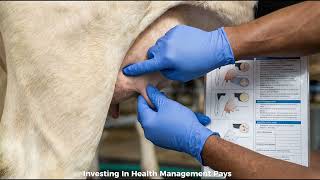
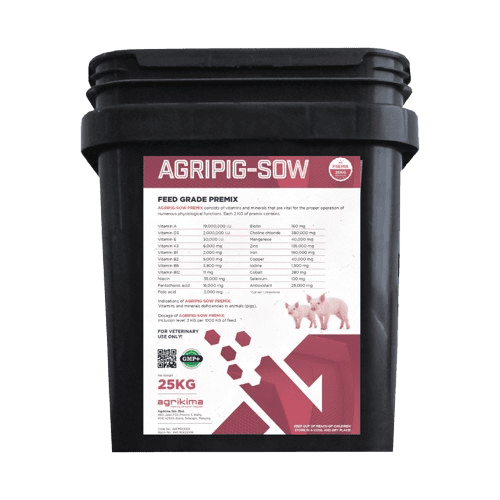
- Health and Veterinary Care: Investing in quality veterinary products and supplements can prevent diseases that may lead to significant losses. Regular vaccinations and deworming should be part of every farmer's health management plan.
- Labor Costs: The amount of labor required for feeding, cleaning, and caring for pigs can vary. Understanding the labor input and its cost is vital for accurate costing.
- Infrastructure and Equipment: The cost of housing, feeding equipment, and other infrastructure must also be factored in. Poor infrastructure can lead to inefficiencies that increase production costs.
- Marketing and Distribution: Costs related to selling pork, including transportation and market fees, can significantly impact overall profitability.
Piggery Cost Analysis: Identifying Hidden Costs
Many smallholder farmers overlook certain hidden costs that can drastically affect their piggery cost analysis. Here are some often-neglected areas:
- Feed Waste: Inefficient feed management can lead to substantial waste. Implementing a feeding strategy that minimizes waste and maximizes feed conversion can improve margins.
- Health Issues: Not investing in preventive health measures can lead to outbreaks of diseases. Even minor health issues can escalate into major problems, leading to high mortality rates and decreased productivity.
- Suboptimal Breeding Practices: Choosing the right breed and ensuring that sows are well-managed can enhance production efficiency. Poor breeding can lead to lower litter sizes and reduced growth rates.
Improving Pork Production Margin
To enhance the pork production margin, farmers should adopt the following strategies:
1. Optimize Feed Efficiency
Utilizing high-quality feed and formulating rations that meet the specific nutritional needs of pigs can significantly reduce feed costs. Consider using locally available ingredients and supplements to improve feed quality.
2. Invest in Health Management
Quality veterinary products can help prevent diseases and ensure that pigs maintain optimal health. Regular vaccinations, deworming, and health checks can save money in the long run by avoiding costly health crises.
3. Monitor and Analyze Production Costs
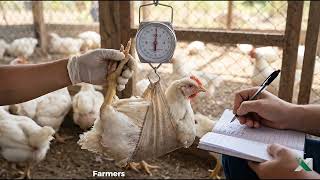
Keep detailed records of all production costs. Regularly analyzing these costs helps identify areas where savings can be made. Use this data to adjust management practices accordingly.
4. Enhance Biosecurity Measures
Implementing strong biosecurity measures can prevent disease outbreaks that lead to increased costs. This includes controlling access to the farm and maintaining cleanliness.
5. Explore Value-Added Products
Consider diversifying into value-added products, such as processed meats. This can increase revenue and improve profitability. Marketing these products effectively can also expand your customer base.
Conclusion
Understanding the cost of producing pork per kilo is essential for smallholder farmers aiming to enhance their profitability. By analyzing all costs associated with pig farming and implementing effective management practices, farmers can improve their production margins and ensure a sustainable livelihood. Investing in quality veterinary solutions and effective feeding strategies can mitigate risks and drive profitability. Remember, a proactive approach to managing costs can make a significant difference in your pig farming success.