Designing a Low-Cost Cow Wash for Better Udder Hygiene
Why Cow Wash Hygiene Matters
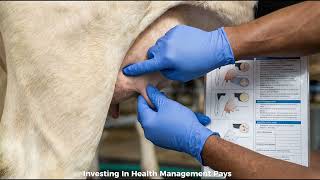
Maitaining proper cow wash hygiene is crucial for dairy farmers aiming to enhance milk quality and prevent mastitis. A clean udder ensures that bacterial counts in milk remain low, which is essential for both consumer safety and the profitability of your dairy operation. Implementing an effective udder cleaning system can significantly reduce the incidence of mastitis and improve overall herd health.
Benefits of a Well-Designed Cow Wash
- Reduces bacterial contamination in milk.
- Improves udder health and reduces the risk of mastitis.
- Enhances the overall efficiency of the milking process.
- Promotes better milk quality, leading to higher prices.
Designing Your Low-Cost Cow Wash
Designing a low-cost cow wash system doesn't have to be complicated. Here are some practical steps to create an effective udder cleaning system:
1. Choose the Right Location
Your cow wash should be conveniently located near the milking parlor for ease of use. Ensure the area is well-drained to avoid standing water, which can harbor bacteria.
2. Determine the Layout
Design the layout to accommodate the number of cows you have. A simple wash bay can be constructed using low-cost materials like corrugated metal or wood. Ensure there’s enough space for cows to stand comfortably while being washed.
3. Water Supply and Drainage
Install a reliable water supply with adjustable pressure to control the flow during washing. A hose with a spray nozzle will allow you to direct water to the udder effectively. Additionally, ensure proper drainage to prevent water accumulation, which can attract pests and increase bacteria levels.
4. Selecting Cleaning Solutions
Using appropriate cleaning solutions is essential for maintaining udder hygiene. Opt for veterinary-approved products that are effective against bacteria and safe for use on animals. Consider natural or organic options to promote better health for your cows.
5. Implementing a Cleaning Routine
Establish a cleaning routine that involves washing the udder before every milking session. This should include:
- Rinsing the udder with warm water to remove any debris.
- Applying a cleaning solution and scrubbing gently to remove dirt and bacteria.
- Rinsing thoroughly with clean water to eliminate any residue.
Regular monitoring of udder health can also help you identify any issues early, allowing for swift intervention if necessary.
DIY Cow Wash Tips
If you're looking to create a DIY cow wash, here are some additional tips:
- Use recycled materials where possible to reduce costs.
- Consider using solar panels to power water heating systems, making the wash more energy-efficient.
- Incorporate a simple filtration system to recycle wash water, minimizing waste.
Maintaining Your Cow Wash System
Once your cow wash system is operational, regular maintenance is key to its effectiveness:
- Inspect the water supply and drainage systems frequently to ensure they are functioning properly.
- Clean the wash area regularly to prevent the buildup of waste and bacteria.
- Replace any worn-out equipment or materials promptly to maintain hygiene standards.
By implementing these practices, you can significantly enhance cow wash hygiene and contribute to better milk quality and overall herd health.
Conclusion
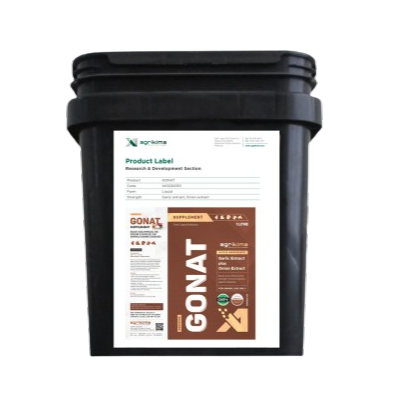
Designing a low-cost cow wash is not only feasible but also essential for maintaining udder hygiene in your dairy operation. A clean udder environment will help reduce bacterial contamination in milk and improve the health of your herd. Quality veterinary products and supplements from Agrikima can further support your efforts in maintaining udder health and hygiene.
Your message to the team
Sources: Read More
- Udder Health and Milk Quality — Purdue University Extension
- Mastitis Control in Dairy Herds — Food and Agriculture Organization (FAO)
- Designing a Low-Cost Cow Wash System — North Dakota State University Extension
- Udder Hygiene and Milk Quality — DairyNZ
- Mastitis Prevention and Control — Centers for Disease Control and Prevention (CDC)