Designing a Low-Cost Piggery for Easy Maintenance
Introduction
Building a low-cost piggery can be a rewarding venture for farmers looking to raise pigs sustainably. The key to a successful piggery lies in its design, which should prioritize drainage, ventilation, and easy cleaning. This article will guide you through creating a low-cost piggery design that meets these essential needs.
Understanding Low-Cost Piggery Design
A low-cost piggery design does not mean compromising on the welfare of your pigs. Instead, it focuses on utilizing available resources efficiently while ensuring the pigs are comfortable and healthy. Here’s how to approach your design:
1. Pig Housing Layout
The layout of your pig housing is crucial for maximizing space and ensuring the pigs are healthy. Consider the following:
- Size: Each pig should have sufficient space. Aim for at least 3-4 square meters per pig in the grower stage.
- Grouping: Group pigs by size to minimize competition and stress.
- Access Points: Design the layout to have multiple access points for feeding, watering, and cleaning.
2. Piggery Floor Drainage
Good drainage is vital to maintaining a clean environment in your piggery. Here are practical tips for effective piggery floor drainage:
- Sloped Floors: Construct sloped floors towards a drainage ditch to facilitate the flow of waste.
- Use of Grates: Consider using grates over drainage channels to prevent piglets from falling in while still allowing waste to pass through.
- Regular Maintenance: Implement a schedule for cleaning and maintaining drainage systems to prevent clogs.
3. Ventilation Systems
Proper ventilation is essential for maintaining air quality and temperature within the piggery. Here’s how to ensure your piggery is well-ventilated:
- Natural Ventilation: Design your piggery with windows or vents on opposite sides to create cross-ventilation.
- Roof Design: A high roof can improve airflow; consider an overhang to provide shade and reduce heat stress.
- Fans: If budget allows, installing fans can help circulate air, especially during hot seasons.
Construction Materials for a Low-Cost Piggery
Choosing the right construction materials can significantly lower your costs. Here are some options:
- Local Materials: Use locally sourced materials such as bamboo or timber. These can be cheaper and more sustainable.
- Recycled Materials: Consider using recycled materials for non-structural components, like feed troughs and water containers.
- Concrete Floors: While initially more expensive, concrete floors are easier to clean and maintain in the long run.
Cleaning and Maintenance
Regular cleaning is vital to prevent diseases. Here are tips to make cleaning easier:
- Designated Areas: Create specific areas for feeding and sleeping to minimize contamination.
- Easy Access: Ensure that all areas of the piggery are easily accessible for cleaning.
- Use of Cleaning Tools: Invest in affordable cleaning tools such as brooms and pressure washers for efficient cleaning.
Health and Nutrition Considerations
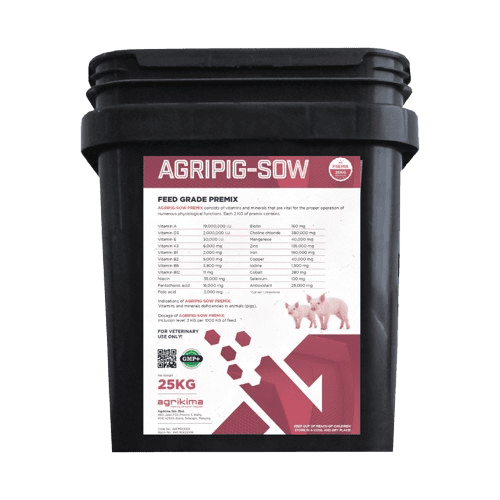
Maintaining pig health through proper nutrition is crucial for a successful piggery. Incorporate quality veterinary products and supplements to enhance growth and immunity. Here are a few suggestions:
- Balanced Diet: Ensure pigs receive a balanced diet with sufficient proteins, vitamins, and minerals.
- Regular Veterinary Check-ups: Schedule regular health checks to catch any issues early.
- Vaccination: Implement a vaccination schedule to protect against common diseases.
Conclusion
Designing a low-cost piggery that effectively drains, ventilates, and cleans easily is achievable with thoughtful planning and resource management. By focusing on pig housing layout, ensuring proper drainage, and maintaining good ventilation, you can create a comfortable environment for your pigs. Remember, investing in their health with quality veterinary products and supplements will pay off in productivity and profitability.