Designing a Profitable Farrow-to-Finish Piggery Layout
Introduction
Designing a profitable farrow-to-finish piggery layout is crucial for maximizing efficiency and profitability in pork production. A well-thought-out piggery design plan can greatly improve animal welfare, reduce labor costs, and enhance overall productivity. This guide will provide you with practical tips on creating an ideal piggery layout, including the necessary pig house dimensions and pig pen sizing.
Understanding the Farrow-to-Finish System
The farrow-to-finish system involves raising pigs from birth to market weight on the same farm. This method requires careful planning and design to accommodate the needs of sows, piglets, and finishers. Understanding the life stages of pigs will help in designing a layout that caters to their specific requirements.
Key Components of a Farrow-to-Finish Piggery Layout
- Gestation Area: This is where sows are housed during pregnancy. Ensure sufficient space for each sow to reduce stress.
- Farrowing Area: A separate area for sows to give birth, equipped with heat lamps and proper bedding for piglets.
- Nursing Area: Space for sow and piglet interactions, ideally with non-slip flooring to prevent injuries.
- Grower-Finisher Area: For pigs post-weaning until market weight, requiring adequate space and ventilation.
Optimal Piggery Design Plan
A successful piggery design plan should incorporate the following elements:
1. Space Requirements
Understanding pig house dimensions is vital. Each stage of growth requires different space allocations:
- Gestation pens: 2-3 square meters per sow.
- Farrowing pens: 2.5-3.5 square meters per sow and piglets.
- Nursing pens: 1-1.5 square meters per piglet.
- Grower-finisher pens: 0.4-0.6 square meters per pig.
2. Ventilation
Proper ventilation is critical for maintaining a healthy environment. Design your piggery layout to facilitate natural airflow. Consider installing fans and ventilation systems to manage humidity and temperature, especially in the grower-finisher area.
3. Waste Management
Incorporate effective waste management systems in your layout. Slatted floors can help with waste removal, while regular cleaning schedules and composting can minimize odor and attract pests.
Benefits of a Well-Designed Piggery Layout
Investing time and resources into a well-structured farrow-to-finish piggery layout offers numerous benefits:
- Improved animal welfare, leading to healthier pigs.
- Reduced labor costs due to efficient space and workflow.
- Higher productivity rates with optimized feeding and management practices.
- Better biosecurity measures that can prevent disease outbreaks.
Utilizing Quality Veterinary Products and Supplements
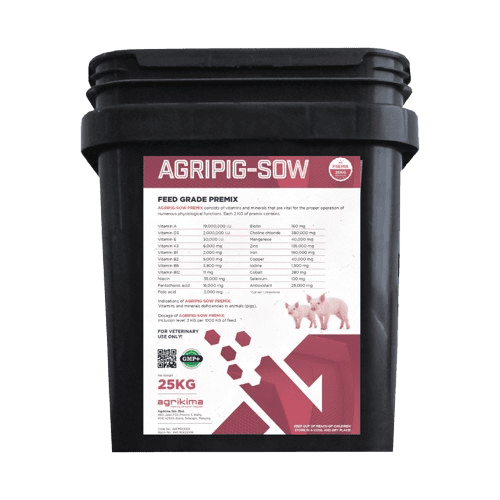
In addition to a well-planned layout, utilizing quality veterinary products and supplements can greatly enhance pig health and growth rates. Consider adding nutritional supplements to the pigs' diets and implementing a vaccination schedule to prevent common diseases.
Conclusion
Designing a profitable farrow-to-finish piggery layout requires careful consideration of space, ventilation, and waste management. By following the guidelines outlined in this article, you can create a functional and efficient piggery that meets the needs of your livestock and maximizes profitability. Remember, investing in quality veterinary products and proper nutrition will further enhance your piggery's success.