Destocking Before a Drought: Key Strategies for Farmers
Understanding Destocking in Drought Conditions
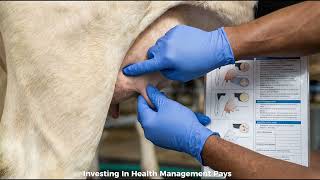
As drought conditions approach, it’s crucial for farmers to implement a destocking strategy effectively. Destocking refers to the practice of reducing livestock numbers to maintain herd health and protect the economic viability of the farm. This process becomes essential for drought livestock sales and ensuring the survival of core breeding herds.
When to Sell: Timing is Key
Timing your destocking appropriately can make a significant difference in financial returns and animal welfare. The following are critical considerations:
- Early Identification: Recognizing the onset of drought early allows farmers to make informed decisions. Selling livestock before their condition deteriorates can preserve their market value.
- Market Trends: Monitor market prices closely. Selling when prices are relatively high ensures better returns. Waiting too long can result in significant losses as market values decline during severe drought.
- Animal Condition: Prioritize selling animals that are aged, weak, or low-reproductive. This approach not only helps in maintaining herd quality but also enhances the overall health of the remaining livestock.
Which Animals to Keep: Preserving Breeding Stock
Deciding which animals to retain is as crucial as deciding which to sell. Here are some strategies:
- Core Breeding Herd: Maintain a minimum number of high-quality breeding animals. This core breeding herd will ensure that you can replenish your livestock once conditions improve.
- Genetic Diversity: Consider keeping a mix of breeds within your herd. Maintaining genetic diversity can enhance resilience in future breeding cycles.
- Healthy Animals: Focus on retaining animals that are in good health and have good reproductive traits. These animals will be essential for rebuilding your herd post-drought.
Developing a Pastoralist Drought Plan
A well-thought-out pastoralist drought plan is vital for long-term sustainability. Here’s how to create effective management strategies:
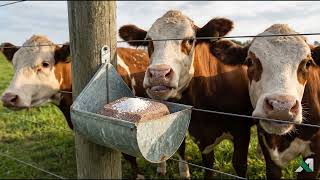
- Assess Forage Availability: Before drought conditions worsen, evaluate your forage resources. Knowing what you have can help in making informed decisions about herd size and management practices.
- Implement Early Weaning: Consider early weaning of kids and lambs to reduce the nutritional burden on the mother. This can also help in reducing overall herd size without compromising the future breeding potential.
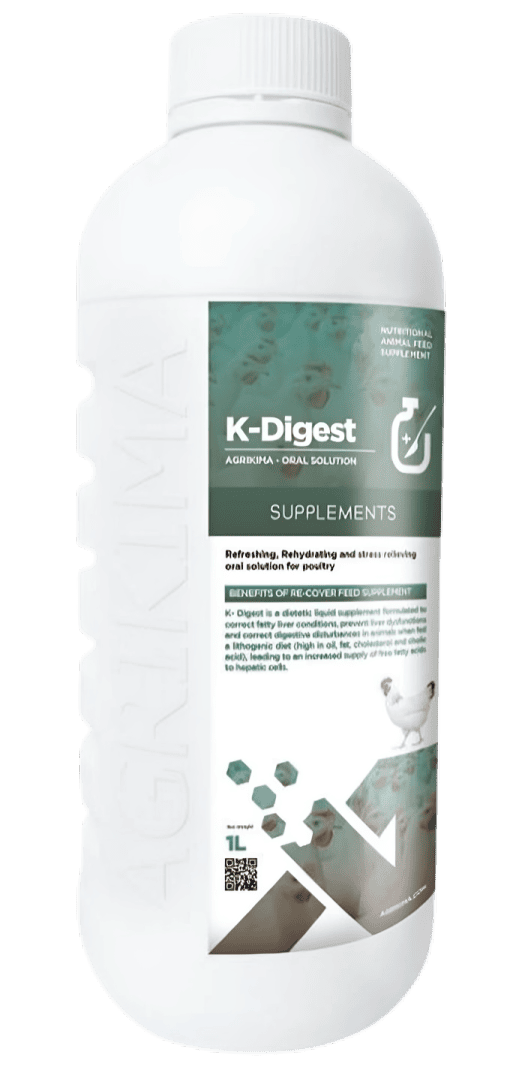
- Efficient Feed Management: Use quality veterinary products and supplements to enhance the nutritional intake of the animals you retain. This can help them maintain condition during the dry season.
Practical Tips for Effective Destocking
Here are some actionable tips to optimize your destocking strategy:
- Plan Ahead: Develop a contingency plan well before the drought season. Having a clear strategy in place will make decision-making easier during stressful times.
- Consult Experts: Engage with local agricultural extension services or veterinarians for tailored advice based on your unique conditions.
- Utilize Technology: Use livestock management software to track health and performance, making it easier to decide which animals to sell or keep.
Conclusion
Destocking before a drought is a strategic move that can safeguard your farm's future. By knowing when to sell and which animals to keep, farmers can not only mitigate losses but also position themselves for recovery once conditions improve. Implementing a pastoralist drought plan with a focus on maintaining a core breeding herd will ensure long-term sustainability. Remember to utilize quality veterinary products and supplements to support your livestock through challenging seasons.
Your message to the team
Sources: Read More
- Management of Sheep and Goats Through Drought — University of Missouri Extension
- Managing Livestock During Drought: Destocking and Early Weaning — University of California Cooperative Extension
- Forage Use and Grazing Herd Management During a Drought — University of Georgia Extension
- Livestock‑related interventions during emergencies – The how‑to‑do‑it manual — Food and Agriculture Organization (FAO)
- Coping and adapting to drought in semi‑arid Karoo rangelands: Key lessons from livestock farmers — Journal of Arid Environments (peer‑reviewed)
- Destocking Strategies During Drought — Texas A&M AgriLife Extension