Detecting Pregnancy in Goats: A Farmer's Guide
Introduction
Detecting pregnancy in goats, also known as does, is an essential skill for any goat farmer. While veterinary assistance is invaluable, many farmers prefer to identify pregnant does on their own to save time and costs. This guide will provide practical tips on how to tell pregnancy in goats without involving a veterinarian.
Signs of a Pregnant Doe
Understanding the signs of pregnancy is crucial for goat farmers. Here are some common pregnant doe signs to watch for:
- Changes in Behavior: Pregnant does may become more docile or, conversely, show signs of increased restlessness.
- Increased Appetite: A noticeable increase in feed consumption can indicate pregnancy as the doe requires more nutrients to support the growing fetus.
- Physical Changes: Look for an increase in abdomen size, especially in the later stages of pregnancy. Additionally, the udder may start to develop and fill out.
- Nesting Behavior: As the due date approaches, some does may exhibit nesting behaviors, such as seeking out quiet places to rest.
- Changes in Milk Production: If you have a dairy goat, you may notice changes in milk production; it may decrease slightly during pregnancy.
Conducting a Goat Gestation Check
Another effective method to detect pregnancy in goats is by conducting a gestation check. This can be done using the following techniques:
1. Observing Body Condition
Monitor the body condition score (BCS) of your goats. A healthy BCS is essential for a successful pregnancy. If a goat gains weight and her abdomen becomes more rounded, this may indicate pregnancy.
2. Palpation
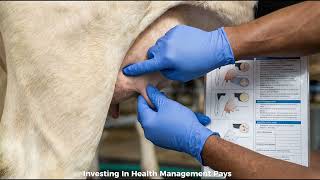
While this method may require some practice, gently palpating the abdomen can help you detect pregnancy. It is best done about 30 days after breeding. You can feel for the presence of the fetus and the size of the uterus.
3. Fecal Tests
Using a fecal sample to assess the hormone levels can be an effective, albeit indirect, method. Pregnant does may have different hormone levels compared to non-pregnant ones, which can be detected through laboratory testing.
Timing Your Checks
Timing is crucial when checking for pregnancy. Generally, you can start checking for signs about 30 days after breeding. By this time, hormonal changes and physical signs will begin to manifest.
Utilizing Quality Veterinary Products
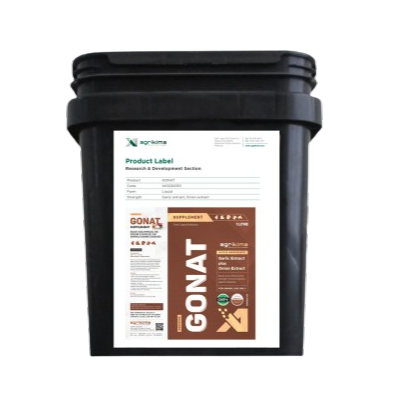
Investing in quality veterinary products and supplements can greatly assist your pregnant does. Nutritional supplements designed for pregnant and lactating goats can enhance their health and help in the development of the fetus. Always ensure that your goats are receiving a balanced diet rich in vitamins and minerals.
Common Misconceptions
There are several myths surrounding goat pregnancy that can lead to confusion:
- Myth: All does show clear signs of pregnancy. Fact: Some goats may not exhibit obvious signs, making it essential to monitor closely.
- Myth: You can't tell if a goat is pregnant until she gives birth. Fact: With careful observation and practice, most farmers can identify pregnancy well before the kidding date.
Conclusion
Detecting pregnancy in goats without a vet is entirely feasible with the right knowledge and techniques. By observing behavioral and physical signs, conducting gestation checks, and utilizing quality veterinary products, farmers can effectively manage their breeding programs and ensure the health of their does. With practice, you will become adept at recognizing the signs of pregnancy, allowing you to provide the best care for your goats.