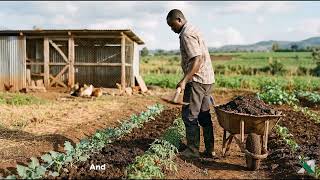
Detecting and Managing PRRS in Smallholder Piggeries
Understanding PRRS in Smallholder Piggeries
Porcine Reproductive Respiratory Syndrome (PRRS) is a significant viral disease affecting swine, leading to reproductive failures in breeding stock and respiratory issues in young pigs. For smallholder piggery operators, managing PRRS is crucial to maintaining a healthy herd and ensuring economic viability.
Recognizing Pig PRRS Symptoms
Detecting PRRS early can save your pigs and your profits. The clinical signs of PRRS can include:
- Late-term abortions in sows
- Stillbirths and mummified fetuses
- Weak-born piglets
- Respiratory distress among piglets, such as coughing and labored breathing
Being vigilant about these pig PRRS symptoms can help you take immediate action to protect your herd.
Implementing Biosecurity Measures
Biosecurity is your first line of defense against PRRS. Here are essential biosecurity practices for smallholder piggery:
- Control Farm Access: Limit access to your piggery to essential personnel only. Ensure that visitors wear clean clothes and footwear.
- Quarantine New Animals: Always quarantine any new pigs for at least 30 days before introducing them to your herd to monitor for any signs of illness.
- Clean Equipment: Regularly sanitize all tools and equipment used in the piggery to prevent disease spread.
By adopting strict biosecurity measures, smallholder farmers can significantly reduce the risk of PRRS infection in their piggeries.
Effective Herd Management Practices
In addition to biosecurity, good herd management is vital for PRRS control. Here are some practices to consider:
- Regular Health Monitoring: Keep track of the health status of your pigs, recording any signs of illness or changes in behavior.
- Stress Reduction: Minimize stress in your pigs through proper housing, feeding, and handling practices. Stress can make pigs more susceptible to infections.
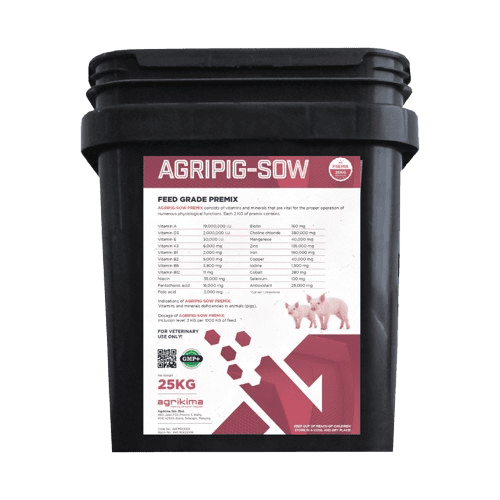
- Nutrition: Provide balanced nutrition tailored to each stage of growth. Quality veterinary products and supplements can enhance the health and resilience of your herd.
Implementing these herd management strategies can help mitigate the impact of PRRS and improve overall pig health.
Vaccination Strategies Against PRRS
Vaccination is a critical component of effective PRRS management. Consult with a veterinarian to develop an appropriate vaccination schedule for your pigs. Here are some vaccination tips:
- Select Appropriate Vaccines: Work with your veterinarian to choose vaccines that are proven effective against the specific strains of PRRS present in your area.
- Follow Recommended Schedules: Ensure that all pigs receive vaccinations at the appropriate ages and intervals to build immunity against PRRS.
- Monitor Vaccine Efficacy: Keep records of vaccine administration and monitor for any adverse reactions or signs of PRRS post-vaccination.
A comprehensive vaccination program can significantly reduce the incidence of PRRS and its associated economic losses.
Responding to PRRS Outbreaks
If PRRS is suspected or confirmed in your piggery, immediate action is necessary:
- Isolate Affected Animals: Quickly separate any pigs showing symptoms of PRRS from the rest of the herd to prevent further spread.
- Consult a Veterinarian: Engage a veterinarian immediately for diagnosis and treatment options. They may recommend specific antiviral therapies or supportive care measures.
- Review Biosecurity Protocols: After an outbreak, reassess your biosecurity practices and make adjustments as needed to prevent future occurrences.
Timely intervention is essential in managing PRRS outbreaks effectively.
Conclusion
Detecting and managing PRRS in smallholder piggeries requires a multifaceted approach, including vigilant observation for symptoms, strict biosecurity measures, effective herd management, and strategic vaccination. By implementing these practices, smallholder farmers can protect their livestock and ensure the sustainability of their operations. Remember, quality veterinary products and supplements can enhance your herd's overall health and resilience against diseases like PRRS.
Your message to the team
Sources: Read More
- Porcine Reproductive and Respiratory Syndrome (PRRS) — USDA Animal and Plant Health Inspection Service
- Porcine Reproductive and Respiratory Syndrome (PRRS): Prevention and Control — National Pork Board
- Porcine Reproductive and Respiratory Syndrome (PRRS) in Swine — Merck Veterinary Manual
- Porcine Reproductive and Respiratory Syndrome (PRRS) in Smallholder Pig Farms — Food and Agriculture Organization of the United Nations
- PRRS Control Strategies for Small-Scale Pig Producers — Purdue University Extension
- Porcine Reproductive and Respiratory Syndrome (PRRS): A Review — National Center for Biotechnology Information