Comprehensive Dog Vaccination and Deworming Schedule
Importance of Vaccination and Deworming for Dogs
Vaccination and deworming are crucial components of responsible dog ownership. A proper dog vaccination deworming schedule helps prevent serious diseases and parasite infestations that can affect your dog's health and quality of life. This guide will provide a detailed schedule to follow from birth to adulthood.
Puppy Vaccination Schedule
Initial Vaccinations
Starting vaccinations early can help protect your puppy from various diseases. Here is a basic puppy shots schedule:
- 6-8 weeks: DHPP (Distemper, Hepatitis, Parvovirus, Parainfluenza)
- 10-12 weeks: Second DHPP dose and Bordetella (Kennel Cough)
- 14-16 weeks: Third DHPP dose and first Rabies vaccine
- 12-16 weeks: Leptospirosis (if recommended in your area)
Consult your veterinarian for tailored recommendations based on your dog's breed and health.
Booster Vaccinations
After the initial vaccinations, booster shots are needed:
- 1 year: DHPP booster and Rabies (if not given previously)
- Every 1-3 years: Follow-up vaccines as recommended by your vet
Deworming Schedule for Puppies
Puppies are particularly susceptible to internal parasites. Here’s a recommended dog deworming intervals schedule:
- 2 weeks: First deworming treatment
- 4 weeks: Second deworming treatment
- 6 weeks: Third deworming treatment
- 8 weeks: Fourth deworming treatment
- 12 weeks: Additional treatment if necessary
Regular fecal checks by your vet can help determine if further deworming is needed.
Adult Dog Vaccination Schedule
As your dog matures, maintaining their vaccination schedule becomes essential. Here’s a general guideline:
- Annual Check-up: DHPP and Rabies booster as recommended
- Every 3 years: Leptospirosis and Bordetella boosters
Always consult with your veterinarian to adjust this schedule based on your dog's lifestyle and exposure risks.
Deworming Schedule for Adult Dogs
For adult dogs, a deworming schedule may vary based on their lifestyle:
- Every 3-6 months: Routine deworming depending on risk factors (e.g., exposure to other animals, hunting, etc.)
Regular fecal examinations can help guide the need for deworming.
Signs of Infection and Importance of Veterinary Products
Be vigilant for signs of illness or parasite infection, such as:
- Vomiting or diarrhea
- Weight loss
- Excessive scratching or itching
- Changes in appetite
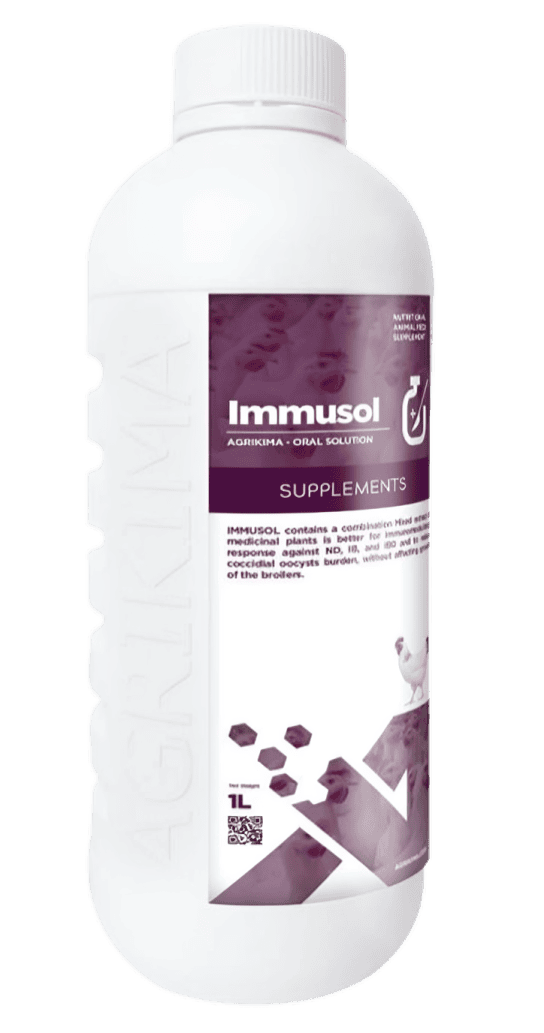
Quality veterinary products and supplements can enhance your dog’s health. Always choose trusted brands recommended by your veterinarian.
Conclusion
Following a dog vaccination deworming schedule from puppyhood through adulthood is vital for your dog's health. Regular veterinary check-ups will ensure that your furry friend stays healthy and happy. Consult your veterinarian for personalized recommendations to adapt this schedule to your specific situation, ensuring a proactive approach to your dog's health.