Drying Off a Cow: Key to Future Lactation Success
Understanding the Importance of Drying Off Dairy Cows
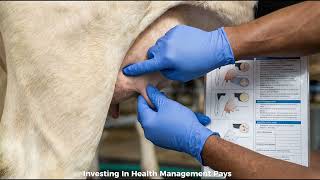
Drying off a dairy cow is a critical phase that can significantly influence her next lactation period. This process, which generally occurs about 60 days before calving, enables the cow to recover and prepare for the demands of a new lactation. Proper dry period management is essential for optimizing milk yield, cow health, and overall productivity.
The Last 60 Days: A Crucial Transition
The final 60 days before calving represent a transformative time for dairy cows. This period allows the cow to shift from lactation to a non-lactating phase, which is vital for her metabolic recovery. Studies have shown that omitting or shortening the dry period can disrupt the cow's metabolic adaptation to the next lactation cycle, potentially diminishing milk production and health outcomes.
Key Objectives During the Dry Period
- Allow the cow's body to recover from the previous lactation.
- Prepare the udder for the next lactation cycle.
- Maintain cow health and minimize risks of infections.
- Optimize nutrition to support fetal development.
Effective Dry Period Management
Successful dry period management involves several strategies that can enhance the cow's transition and prepare her for calving:
1. Gradual Dry Off
Implementing a gradual drying-off process, such as incomplete milking, can help reduce stress on the cow. Gradually decreasing milking frequency over a few days allows the cow's body to adjust without abrupt changes. Farmers in Switzerland have noted interest in this practice due to its potential advantages for udder health.
2. Nutrition Focus: Dry Cow Feeding
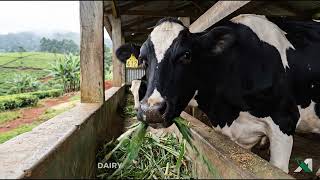
Proper nutrition during the dry period is crucial. Farmers should focus on providing high-quality forage and balanced rations that meet the cow's energy and protein needs. This ensures optimal fetal growth and prepares the cow's body for the demands of lactation. Quality veterinary supplements can also aid in providing essential nutrients during this phase.
3. Monitoring Body Condition Score (BCS)
Maintaining an appropriate Body Condition Score (BCS) is essential during the dry period. Cows should ideally be in the BCS range of 3.0 to 3.5 at dry-off. Regularly assessing BCS allows farmers to adjust feeding strategies accordingly. Cows that are too thin may require additional energy sources, while those that are too fat may need their feed intake reduced to prevent complications during calving.
Steaming Up Cows for Optimal Performance
The practice of steaming up cows, which involves increasing the energy density of their diet in the weeks leading up to calving, has been shown to enhance milk production in the subsequent lactation. This strategy helps prepare the cow's metabolism for the high energy demands of lactation and can lead to higher milk yields post-calving.
4. Udder Health Monitoring
Monitoring udder health during the dry period is crucial. Regular checks can help identify potential issues like mastitis before they escalate. Studies indicate that maintaining good udder health practices during this period is associated with better udder health in early lactation.
5. Environmental Factors
Providing a comfortable and clean environment for dry cows is essential. Factors such as bedding quality, space, and ventilation can significantly impact cow well-being. Ensuring these elements are optimized can reduce stress and promote better health outcomes.
Conclusion: Preparing for the Next Lactation
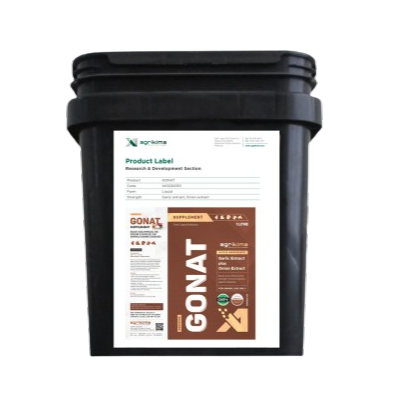
Drying off a dairy cow is not just a routine; it is an essential management strategy that influences future productivity. By focusing on effective dry period management, providing adequate nutrition, and monitoring health, farmers can set their cows up for successful and profitable lactation cycles. Quality veterinary products and supplements can play a vital role in this process, ensuring that cows transition smoothly and healthily into their next lactation.
Your message to the team
Sources: Read More
- Herd Routines and Veterinary Advice Related to Drying-Off and the Dry Period of Dairy Cows — Swedish University of Agricultural Sciences
- Dry period length affects rumen adaptation in dairy cattle precalving and during the first weeks after calving — Elsevier
- Drying-off practices on Swiss dairy farms: Status quo and adoption potential of integrating incomplete milking — Elsevier
- Dry cow nutrition and the transition cow — USDA Agricultural Research Service
- Associations of cow- and herd-level factors during the dry period with indicators of udder health in early-lactation cows milked by automated milking systems — Elsevier
- Effects of feed energy density, daily milking frequency, and a single injection of cabergoline on behavior and welfare in dairy cows at dry-off — Elsevier