Dust and Explosion Risk Control in Feed Mills
Understanding Dust and Explosion Risks in Feed Mills
In mid-size feed mills, dust accumulation is not just a nuisance; it poses significant safety risks, including the potential for explosions. The fine particles created during feed production can become combustible when suspended in the air. Therefore, understanding how to manage these risks is essential for ensuring feed mill safety.
What is Combustible Dust?
Combustible dust refers to any fine particles that can ignite and cause an explosion. In feed mills, materials such as grains, additives, and other organic substances can create a hazardous environment. It is crucial to recognize the sources of this dust and implement appropriate controls.
Practical Controls for Dust Explosion Risk
1. Implementing a Dust Collection System
A dust collection system is a vital component of feed mill safety. This system captures dust at its source, preventing it from accumulating in the workspace. Here are some tips for effective implementation:
- Regular Maintenance: Ensure that dust collection systems are regularly inspected and maintained to operate efficiently.
- Proper Placement: Position collection points near high-dust generation areas such as mills and mixers.
- Effective Filtration: Use filters that can capture fine particles to enhance air quality.
2. Regular Cleaning and Maintenance
Routine cleaning is essential to minimize dust buildup. Establish a cleaning schedule that includes:
- Daily Cleaning: Focus on high-traffic areas where dust accumulates more rapidly.
- Deep Cleaning: Perform thorough cleanings weekly or bi-weekly, depending on dust generation levels.
- Use of Proper Equipment: Utilize industrial vacuums designed for dust collection to avoid dispersing dust back into the air.
3. Employee Training and Awareness
Training employees on dust safety is key to prevention. Implement training programs that cover:
- Recognizing Hazards: Teach staff how to identify areas of dust accumulation.
- Emergency Procedures: Ensure everyone knows how to react in case of an explosion or fire.
- Safe Practices: Encourage practices such as minimizing dust generation during operations.
4. Monitoring and Detection Systems
Install monitoring systems to detect dust levels in the air. This can include:
- Dust Sensors: Use sensors to monitor dust concentration and alert staff when levels exceed safe limits.
- Explosion Suppression Systems: Consider installing systems that can automatically suppress a dust explosion when detected.
5. Creating a Safe Work Environment
Designing the layout of your feed mill can help minimize risks. Consider the following:
- Space Between Equipment: Ensure that there is adequate space between machinery to allow for effective cleaning and maintenance.
- Ventilation: Maintain proper ventilation to disperse dust and reduce the risk of explosions.
- Fire-Resistant Materials: Use materials that are less prone to catch fire in construction and equipment.
Additional Considerations
Quality Veterinary Products and Supplements
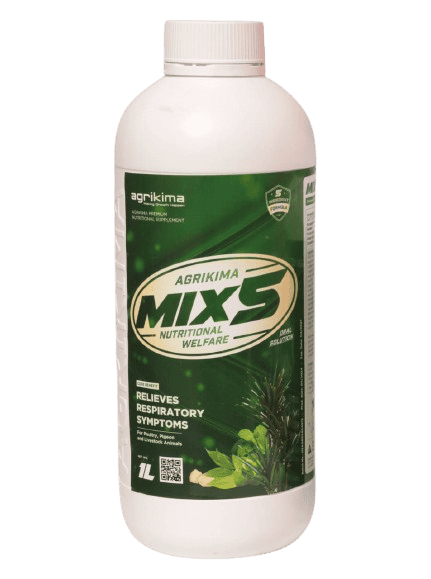
While addressing dust and explosion risks is crucial, do not overlook the importance of quality veterinary products and supplements for animal health. Maintaining a healthy livestock population can mitigate some operational risks associated with feed production.
Regulatory Compliance
Always stay updated on local regulations concerning dust management and safety in feed mills. Compliance not only ensures safety but also protects against potential legal issues.
Conclusion
Dust and explosion risk control in mid-size feed mills is a multifaceted challenge that requires diligent attention to safety practices. By implementing robust dust collection systems, adhering to regular cleaning schedules, training employees, utilizing monitoring technologies, and maintaining a safe work environment, feed mills can effectively mitigate these risks. Remember, a proactive approach can significantly enhance feed mill safety and operational efficiency.