Early Signs of Foot and Mouth Disease in Cattle

Understanding Foot and Mouth Disease
Foot and Mouth Disease (FMD) is a severe, highly contagious viral disease that affects livestock, primarily cattle, pigs, sheep, and goats. It poses a significant economic impact on farmers due to its rapid spread and the severe health implications for affected animals.
Early Signs of Foot and Mouth Disease
Recognizing the early signs of foot and mouth disease is crucial for effective management and control. The most common symptoms include:
- Fever: Initial symptoms often start with a high fever, typically above 104°F (40°C), that can last for several days.
- Lameness: Affected animals may show signs of lameness due to painful lesions on their feet and between their toes.
- Vesicles: Look for small blisters or vesicles on the tongue, lips, and inside the mouth. These can also appear on the nostrils and teats.
- Depression and Anorexia: Infected cattle often appear depressed and may stop eating, leading to weight loss and further health issues.
- Excessive Salivation: Due to oral lesions, animals may drool excessively, and their breath may have a foul odor.
What to Do if You Suspect Foot and Mouth Disease
If you notice any of these signs in your herd, it is vital to take immediate action to prevent the disease from spreading:
1. Isolate Affected Animals
Quarantine any animals showing symptoms of foot and mouth disease to prevent the virus from spreading to healthy livestock. Make sure to restrict movement on the farm, including human traffic, to minimize the risk of transmission.
2. Consult a Veterinarian
Contact your veterinarian immediately for an accurate diagnosis and treatment plan. Early intervention can make a significant difference in managing the disease and protecting your herd.
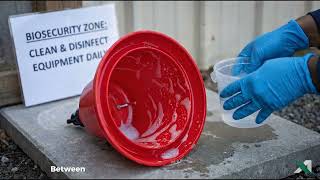
3. Implement Biosecurity Measures
To protect your farm from FMD, adopt stringent biosecurity measures:
- Disinfect all equipment and vehicles entering the farm.
- Limit visitor access and ensure they follow biosecurity protocols.
- Use dedicated clothing and footwear when handling animals.
4. Vaccination and FMD Control
In some cases, vaccination may be recommended to control the spread of FMD. Consult your veterinarian about the most appropriate vaccination schedule for your livestock. Vaccination is an essential part of FMD control in cattle, especially in areas where the disease is prevalent.
FMD Prevention Strategies
Preventing foot and mouth disease is essential for maintaining the health of your livestock. Here are key strategies:
- Regular Health Checks: Conduct routine health assessments of your herd to identify any early signs of illness.
- Manage Animal Movement: Control the movement of animals within your farm and avoid mixing herds to reduce exposure to potential carriers of the disease.
- Educate Farm Workers: Train all personnel on the signs of FMD and the importance of biosecurity measures to ensure everyone is vigilant.
- Use Quality Veterinary Products: Invest in high-quality animal health solutions, supplements, and feed additives that can support the immune system of your cattle, making them less susceptible to infections.
Conclusion
Foot and mouth disease is a serious concern for cattle farmers. By being vigilant and recognizing the early signs of this livestock viral disease, you can take immediate and effective action to protect your herd. Implementing preventive measures and consulting with your veterinarian will be vital in managing the risks associated with FMD.
Your message to the team
Sources: Read More
- Foot-and-Mouth Disease: Signs and Symptoms — USDA Animal and Plant Health Inspection Service
- Foot-and-Mouth Disease (FMD) — Food and Agriculture Organization of the United Nations
- Foot-and-Mouth Disease in Cattle — Merck Veterinary Manual
- Foot-and-Mouth Disease: Prevention and Control — Center for Food Security and Public Health, Iowa State University
- Foot-and-Mouth Disease: Clinical Signs and Diagnosis — World Organisation for Animal Health (OIE)