Effective Poultry Predator Control: Keeping Your Birds Safe

Understanding Poultry Predators
Poultry farmers often face significant threats from various predators, including mongooses, hawks, snakes, and rats. Understanding these threats is the first step in effective poultry predator control.
Common Poultry Predators
- Mongoses: These small mammals are known to attack both chicks and adult birds.
- Hawks: As skilled aerial hunters, hawks can swoop down and catch chickens if the coop is not adequately protected.
- Snakes: Often attracted to eggs and young birds, snakes can sneak into coops through small openings.
- Rats: Nocturnal predators, rats pose a significant risk as they not only prey on eggs but also can spread diseases to poultry.
Effective Strategies for Poultry Predator Control
Implementing a comprehensive predator control plan involves several strategies that work together to secure your poultry run.
1. Build a Predator-Proof Coop
A solid structure is essential for protecting your chickens. Here are key features to consider:
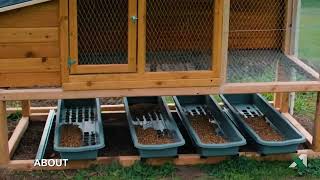
- Use hardware cloth rather than chicken wire, as it has tighter spacing that prevents small predators like snakes and rats from accessing the coop. Bury the cloth 12-18 inches deep in an L-shape around the coop to deter tunneling predators.
- Elevate your coop by at least a foot above the ground. This height discourages snakes and other ground predators from entering.
- Patch any holes or gaps in the coop to ensure it is secure against intruders.
2. Secure the Poultry Run
Your poultry run should be equally fortified to keep birds safe while they roam. Here are some practical measures:
- Cover the run with welded-wire fencing or netting to protect against aerial predators like hawks and owls. Consider adding overhead wires that crisscross to further deter these birds.
- String thin wire or fishing line over the run, as this can confuse and deter hawks and other aerial threats.
- Use fencing that has openings too small for snakes to pass through, such as rat wire, to protect chicks and young birds.
3. Establish a Vigilant Rodent Control Program
Rats can be particularly troublesome in poultry housing, potentially leading to disease transmission. To combat this issue:
- Keep the area around the coop clean and free from food scraps that could attract rats.
- Implement traps and bait stations strategically placed around the coop to control rat populations effectively.
- Regularly inspect and repair any structural weaknesses that might allow rats to access the coop.
4. Monitor for Signs of Predators
Being proactive involves regularly checking for signs of predator activity:
- Look for tracks, droppings, or feathers around the coop which might indicate a predator's presence.
- Install motion-activated cameras around your poultry run to monitor for predators during both day and night.
Using Quality Products for Extra Protection
In addition to physical barriers, consider using quality veterinary products and supplements that can enhance your flock's overall health and resilience. For instance, natural health solutions can help boost the immune systems of your birds, making them less susceptible to stress caused by predator encounters.
Conclusion
By implementing these strategies, you can effectively protect your poultry from mongooses, hawks, snakes, and rats. A combination of a predator-proof coop, secure runs, vigilant monitoring, and quality veterinary products will ensure your flock remains safe and healthy. Remember, the sooner you start, the better protected your poultry will be against these common threats.
Your message to the team
Sources: Read More
- Raising Backyard Chickens for Eggs (AN239) — University of Florida IFAS Extension
- Protect Backyard Birds from Predators (P2853) — Mississippi State University Extension
- Protecting Small Poultry Flocks from Predators (AFS‑8221) — Oklahoma Cooperative Extension Service
- Identifying and Preventing Poultry Predators in the Mid‑Atlantic Region (FS‑1132) — University of Maryland Extension
- Chickens and Predators — Colorado State University Extension
- Predators for Free‑Ranging Poultry (APSC‑192) — Virginia Cooperative Extension (Virginia Tech)