Fatten Old Layers for Meat: A 4-Week Program
Introduction
Fattening old layers for meat can be a profitable venture, especially for farmers looking to utilize spent hens. This 4-week program will guide you through the essential steps to achieving optimal weight and meat quality. By focusing on spent hen finishing techniques and adapting their diet from layer to broiler feed, farmers can maximize returns from their flocks.
Week 1: Assessment and Planning
Assessing the Flock
Begin by assessing the condition of your old layers. Check their body weight, feather condition, and overall health. Healthy hens are more likely to respond positively to a fattening program. It’s also essential to consider the age of the hens; older layers may have tougher meat but can still yield quality meat when properly managed.
Creating a Feeding Plan
Your feeding plan should transition the hens from layer feed to a more energy-dense layer to broiler feed. This type of feed is designed to promote weight gain and improve meat quality. Increasing the fat content in the diet can also help, as fats provide a concentrated source of energy.
- Start with a gradual introduction of broiler feed.
- Provide access to high-quality drinking water at all times.
- Consider adding supplements that enhance growth and health.
Week 2: Diet Adjustments
Enhancing Nutritional Content
As you transition to the new diet, focus on enhancing the nutritional content to support weight gain. Incorporate the following components:
- High-energy feeds: Include grains such as corn and barley.
- Protein supplements: Add soybean meal or fish meal to boost protein levels.
- Fats and oils: Incorporate vegetable oils or animal fats to increase energy density.
Monitor their consumption closely to ensure that the hens are eating enough to gain weight effectively.
Supplementing with Natural Additives
Consider using natural additives such as garlic and apple cider vinegar, which can enhance gut health and improve feed utilization. These probiotics can help the hens better absorb the nutrients from their feed, promoting weight gain.
Week 3: Monitoring and Adjusting
Regular Weighing
During the third week, it's crucial to regularly weigh your hens to monitor their progress. This will help you determine if adjustments are needed in their diet. Aim for a target weight that aligns with market demands for spent hens.
Adjusting Feed Ratios
If the hens are not gaining weight as expected, consider adjusting the feed ratios. You may need to increase the proportion of energy-dense feeds and decrease the amount of layer feed. It's also important to keep the feed fresh and palatable, as stale feed can hinder weight gain.
Week 4: Final Touches and Preparation for Processing
Final Weight Check
In the final week, conduct a thorough check on the hens' weight and overall condition. Ensure they are reaching the desired weight for processing. Adjust their feeding schedule to ensure they are getting the right amount of feed without overfeeding.
Preparing for Processing
Before processing, ensure that the hens are in a calm environment. Stress can negatively impact meat quality. Offer plenty of fresh water and limit their movement to help maintain their weight. As spent layers tend to have tougher meat, proper processing techniques will be essential in enhancing the meat's tenderness and flavor.
Conclusion
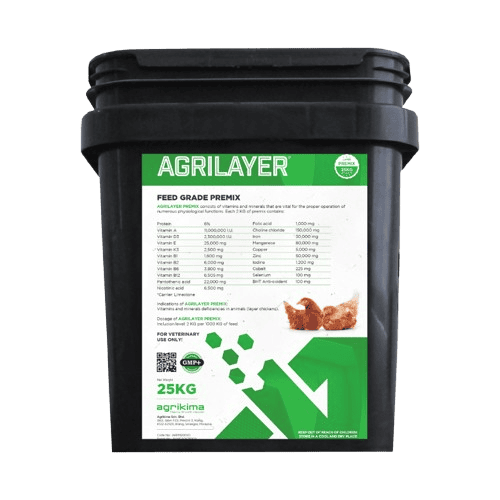
Fattening old layers for meat can be a rewarding process when done correctly. By following this structured 4-week program, you can effectively utilize spent hens and convert them into quality meat products. Remember that quality veterinary products and nutritional supplements from Agrikima can further enhance the health and weight gain of your flock.
By adopting these practices, farmers can maximize the potential of their spent hens, contributing to a more sustainable agricultural system.
Your message to the team
Sources: Read More
- Fats and Oils in Poultry Diets — Extension
- Mechanically Separated Meat of Broiler Breeder and White Layer Spent Hens — FAO
- Meat Qualities and Functional Properties of Broiler and Spent Layers Slaughtered at Different Ages — FAO
- Yield of Broiler and Spent Hen Offals and Nutritive Value of By-Product Meals — FAO
- Compounds May Help Produce Juicier Meat — USDA ARS