Feed Raw Material Sourcing for Manufacturers
Understanding Feed Raw Material Sourcing
Feed raw materials sourcing is a critical aspect for manufacturers in the agricultural sector. It involves identifying, selecting, and procuring the essential ingredients required to formulate animal feeds. Quality raw materials directly impact the health and productivity of livestock, poultry, and dairy animals, making it vital for manufacturers to establish reliable sourcing strategies.
Key Feed Raw Materials
Several key ingredients are commonly sourced by feed manufacturers, each contributing unique nutritional benefits:
- Maize Germ: A rich source of energy and oil, often used in poultry and livestock feed. Finding a reputable maize germ supplier can ensure consistent quality and supply.
- Soybean Meal: High in protein, soybean meal is an essential ingredient for many animal feeds, especially for poultry and swine. It’s crucial to source this from reliable suppliers to maintain feed quality.
- Fish Meal: A potent protein source, fish meal is vital for the growth and health of fish and poultry. Identifying a trustworthy fish meal source is key to ensuring your feed is nutritionally adequate.
- Sunflower Cake: This by-product of sunflower oil extraction is high in protein and fiber, making it an excellent addition to ruminant diets.
- Cotton Seed Cake: Another valuable protein source, cotton seed cake can help balance the nutritional profile of feeds.
Strategies for Effective Sourcing
To ensure a steady supply of quality feed raw materials, manufacturers can adopt the following strategies:
1. Build Strong Relationships with Suppliers
Establishing long-term relationships with suppliers is essential. Regular communication helps ensure that you understand their capabilities and can negotiate favorable terms.
2. Assess Quality and Nutritional Value
Before finalizing any supplier, evaluate the quality of the raw materials. Request samples for laboratory analysis to verify that they meet nutritional specifications.
3. Diversify Your Supplier Base
Relying on a single supplier can be risky. Diversifying your supplier base helps mitigate risks associated with supply chain disruptions, price fluctuations, or quality issues.
4. Monitor Market Trends
Stay informed about market trends related to feed raw materials. Price volatility can impact your sourcing strategy, so being aware of market conditions can help you make informed purchasing decisions.
5. Leverage Technology
Utilizing technology and software tools can streamline the sourcing process. Inventory management systems can help track raw material availability and assist in forecasting needs.
Quality Assurance in Sourcing
Implementing quality assurance protocols is vital for maintaining the integrity of your feed products. Here are some steps to consider:
- Conduct Regular Audits: Perform periodic audits of suppliers to ensure compliance with quality standards.
- Implement Traceability: Establish systems to trace the origin of your raw materials, which is essential for addressing any quality issues that may arise.
- Quality Testing: Regularly test raw materials upon receipt to ensure they meet your specifications.
Logistics and Supply Chain Management
Efficient logistics and supply chain management play a significant role in successful feed raw material sourcing. Consider the following:
1. Optimize Transportation
Choose transportation methods that are cost-effective and maintain the quality of raw materials. Proper handling during transportation can prevent damage and spoilage.
2. Inventory Management
Maintain optimal inventory levels to ensure you have sufficient raw materials without overstocking, which can lead to spoilage or increased holding costs.
3. Collaborate with Logistics Partners
Partnering with reliable logistics providers can enhance your supply chain efficiency, ensuring timely delivery of raw materials to your manufacturing facility.
Conclusion
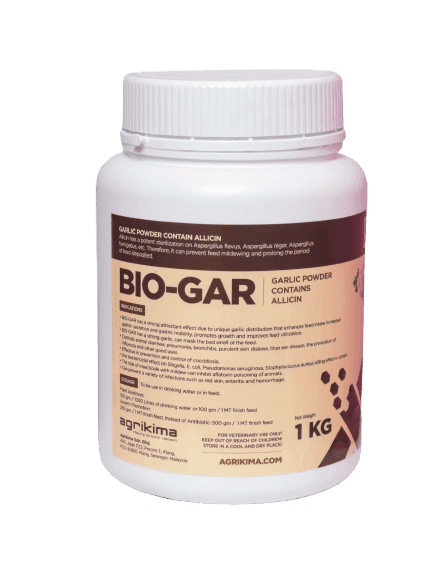
Effective feed raw materials sourcing is essential for manufacturers to produce high-quality animal feeds. By building strong supplier relationships, ensuring quality, leveraging technology, and managing logistics, manufacturers can secure the necessary ingredients for optimal animal health and productivity. Additionally, incorporating quality veterinary products and supplements can further enhance the nutritional value of feeds, leading to healthier livestock and better overall performance.