Effective Foot Rot Prevention in Sheep and Goats
Understanding Foot Rot in Sheep and Goats
Foot rot is a highly contagious disease affecting sheep and goats, primarily caused by the bacteria Dichelobacter nodosus and Fusobacterium necrophorum. This condition leads to severe lameness, making it crucial for farmers to prioritize prevention and hoof care to maintain healthy herds.
Importance of Hoof Care
Proper hoof care is essential for preventing foot rot and other hoof-related diseases in small ruminants. Regular hoof trimming and monitoring for signs of lameness can significantly reduce the risk of infections.
Routine Hoof Trimming
Hoof trimming is an essential practice for sheep and goat owners. Regular trimming helps in:
- Maintaining proper hoof shape and structure
- Preventing overgrowth that can lead to discomfort and lameness
- Reducing the risk of foot rot by allowing better air circulation around the hooves
Farmers should trim hooves at least every 6 to 8 weeks, depending on the environment and the type of terrain the animals are grazing on.
Preventing Foot Rot: Best Practices
Preventing foot rot involves a combination of environmental management, biosecurity measures, and health monitoring. Here are some effective strategies:
1. Maintain Clean and Dry Environments
Foot rot thrives in wet and muddy conditions. Ensure that your sheep and goats have access to dry areas and that their living environments are clean. Regularly clean pens and grazing areas to remove manure and wet bedding.
2. Implement Biosecurity Measures
To prevent the introduction of foot rot into clean flocks, implement strict biosecurity measures. This includes:
- Quarantining new animals for at least 30 days before introducing them to your flock
- Avoiding shared grazing areas with infected herds
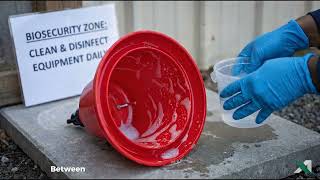
- Using footbaths with disinfectants to reduce bacterial spread
3. Regular Health Monitoring
Keep an eye on your sheep and goats for any signs of lameness or discomfort. Early detection can make a significant difference in treatment outcomes. Look for:
- Swelling or redness around the hooves
- Difficulty walking or reluctance to move
- Foul odor emanating from the feet, which could indicate infection
4. Culling Infected Animals
If an animal is chronically infected with foot rot, consider culling it from the flock. This helps prevent the spread of the disease to healthy animals.
Additional Foot Rot Prevention Strategies
5. Foot Bathing
Using foot baths with appropriate disinfectants can help control foot rot outbreaks. Regular foot bathing can reduce bacterial load on the hooves and is particularly beneficial during wet seasons.
6. Nutrition and Supplements
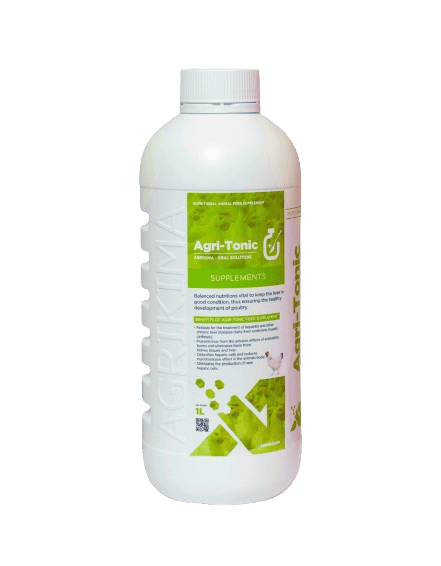
Providing a balanced diet can improve the overall health of your sheep and goats, enhancing their resilience against infections. Quality veterinary products and supplements that promote hoof health can be beneficial. Consult with a veterinarian to select the right nutritional supplements for your flock.
Conclusion
Foot rot prevention is crucial for maintaining the health and productivity of sheep and goats. By implementing effective hoof care practices, maintaining a clean environment, and monitoring animal health, farmers can significantly reduce the risk of this debilitating disease. Keep your flock healthy and thriving with proper care and attention to hoof health.
Your message to the team
Sources: Read More
- Foot Rot in Sheep and Goats — Purdue University Extension
- Foot Rot in Sheep and Goats — USDA Animal and Plant Health Inspection Service
- Sheep and Goat Hoof Health — Food and Agriculture Organization of the United Nations
- Footrot in Sheep and Goats — New South Wales Department of Primary Industries
- Footrot in Sheep and Goats — Department of Primary Industries and Regional Development, Western Australia
- Footrot in Sheep and Goats — Merck Veterinary Manual