Global Trends in Antibiotic Ban in Animal Feed
Understanding the Global Antibiotic Ban in Feed
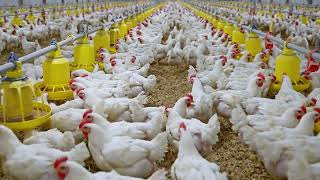
The agricultural sector is witnessing a significant shift as more countries move towards banning the use of antibiotics in animal feed. This change is largely driven by the urgent need to combat antimicrobial resistance (AMR), a critical public health issue. Farmers must adapt to these regulations to ensure the sustainability and productivity of their livestock operations.
Why the Ban?
Antibiotics have been traditionally used in animal feed as growth promoters. However, studies indicate that this practice contributes to the development of antimicrobial resistance, making bacterial infections in both animals and humans harder to treat. The European Union (EU) was one of the first to implement a ban on antibiotic growth promoters (AGPs) back in 2006 to safeguard public health. This ban serves as a model for other regions contemplating similar regulations.
Current Trends and Future Regulations
As more countries recognize the dangers associated with antibiotic use in livestock, we can expect a trend towards stricter regulations globally. The World Organisation for Animal Health (OIE) emphasizes the need for international cooperation to address these challenges effectively. By 2030, a projected rise in global antimicrobial consumption by 67% is anticipated unless significant changes are made. This alarming forecast emphasizes the urgency for farmers to prepare for upcoming regulations.
Growth Promoter Phase Out
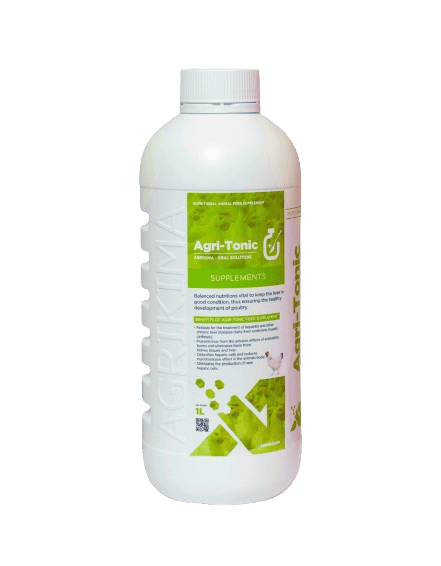
The phase-out of growth promoters is not just a trend; it is becoming a necessity. Farmers must now rely on alternative strategies to promote growth and maintain animal health. Natural supplements and quality veterinary products offered by companies like Agrikima can play a critical role in this transition. These alternatives can enhance feed efficiency, improve digestion, and boost overall animal health without the risks associated with antibiotics.
Preparing for Change
Farmers should take proactive steps to prepare for the global antibiotic ban in feed. Here are some practical tips:
Understand Regulations
Stay informed about local and international regulations regarding antibiotic use in livestock. Regularly check updates from agricultural authorities and health organizations to ensure compliance.
Educate Yourself and Staff
Conduct training sessions for farm staff about the responsible use of antibiotics and the importance of reducing reliance on them. Knowledge is key to managing livestock health effectively.
Explore Alternative Solutions
Consider integrating natural growth promoters and health supplements into your feed regimen. Products that enhance gut health and boost the immune system can replace the need for antibiotics. Agrikima offers a variety of natural supplements tailored for different livestock types.
Improve Animal Management Practices
Implement better management practices such as improved hygiene, biosecurity measures, and stress reduction strategies. Keeping animals healthy through good management can reduce the need for antibiotics.
Focus on Nutrition
Proper nutrition is crucial for maintaining optimal health in livestock. Formulate balanced diets that meet the specific needs of your animals, reducing their susceptibility to disease and the subsequent need for antibiotics.
The Role of Farmers in Combating AMR
Farmers play a vital role in the global fight against antimicrobial resistance. By adopting practices that minimize antibiotic use, they can contribute to public health and the sustainability of their operations. The FAO emphasizes that responsible antibiotic use and the development of effective alternatives are essential for reducing AMR risks.
Looking Ahead
The future of livestock farming will undoubtedly be shaped by the global trends in antibiotic bans. Farmers who adapt to these changes will not only comply with regulations but also enhance the health and productivity of their livestock. The transition may require some investment and effort, but the long-term benefits will outweigh the challenges.
Conclusion
In conclusion, the global antibiotic ban in animal feed signifies a transformative shift in agricultural practices. By preparing for these changes, farmers can ensure a more sustainable future for their livestock operations. Embrace natural alternatives and focus on robust animal management strategies to thrive in this evolving landscape.
Your message to the team
Sources: Read More
- Antimicrobial Resistance: Implications for the Food Chain — Food and Agriculture Organization (FAO)
- EU Ban on Antibiotic Growth Promoters and Its Implications — European Food Safety Authority (EFSA)
- Antibiotic Use in Animal Agriculture: What Farmers Need to Know — Purdue University Extension
- Global Trends in Antimicrobial Use in Food Animals — The Lancet Planetary Health
- Antibiotic Use in Livestock: Global Trends and Policy Developments — World Organisation for Animal Health (OIE)
- Antibiotic Growth Promoters in Animal Feed: A Review — National Center for Biotechnology Information (NCBI)