Understanding Goat Polio: Causes, Symptoms, and Treatment
What is Goat Polio?
Goat polio, medically known as polioencephalomalacia (PEM), is a neurological disorder that primarily affects goats due to a deficiency of thiamine (Vitamin B1). This condition can lead to severe health issues, including blindness and a characteristic stargazing posture. Understanding the symptoms and prompt treatment of goat polio is vital for farmers to ensure the health and productivity of their herds.
Symptoms of Goat Polio
One of the most alarming symptoms of goat polio is the stargazing posture. This occurs when affected goats tilt their heads back and look upwards as if they are gazing at the stars. Other common symptoms include:
- Partial or complete blindness
- Dilated pupils
- Uncoordinated movements or stumbling
- Seizures or convulsions
- Loss of appetite or general lethargy
The appearance of these symptoms often indicates a significant disruption in the goat's neurological function due to thiamine deficiency, necessitating immediate attention.
Causes of Goat Polio
The primary cause of goat polio is a deficiency in thiamine, which can arise from several factors:
- High-concentrate diets: Diets rich in concentrates and low in roughage can lead to thiamine deficiency due to improper rumen function.
- Thiaminase production: Certain plants and feed additives produce enzymes that break down thiamine, exacerbating deficiencies.
- Medications: The use of medications such as amprolium can interfere with thiamine absorption, increasing the risk of PEM.
Farmers should be vigilant about the dietary composition of their goats and ensure they are receiving adequate thiamine levels to prevent this disorder.
Why Rapid Thiamine Treatment is Crucial
Thiamine must be administered quickly when symptoms of goat polio are identified. The rapid administration of injectable thiamine can lead to prompt recovery, even in cases where blindness has occurred. Studies have shown that goats treated with thiamine often respond significantly within hours, regaining normal neurological function and reducing the risk of permanent damage.
Recommended Treatment Protocol
Upon noticing symptoms of goat polio, follow these steps:
- Immediate veterinary consultation: Contact a veterinarian for guidance on treatment.
- Thiamine administration: Administer multiple daily doses of injectable thiamine as prescribed by your vet. This is often done over several days to ensure adequate recovery.
- Dietary adjustments: Reassess the goat's diet to include sufficient roughage and avoid high-concentrate feeds that could contribute to thiamine deficiency.
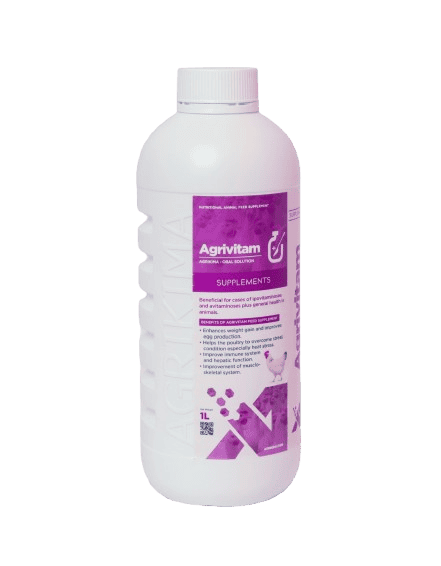
It’s vital to have quality veterinary products and supplements on hand to facilitate quick response to such health issues.
Preventing Goat Polio
Preventive measures can significantly lower the risk of goat polio:
- Balanced diet: Ensure that goats receive a balanced diet rich in roughage to support rumen health and thiamine levels.
- Regular health checks: Monitor goats for signs of illness regularly and consult with veterinarians for preventative care.
- Education: Stay informed about the latest research and recommendations regarding goat health and nutrition.
By proactively managing your goat's diet and health, you can mitigate the risks associated with goat polio.
Conclusion
Goat polio is a serious condition that requires immediate attention due to its rapid onset and potential for severe health consequences. By recognizing the symptoms early and administering thiamine quickly, farmers can ensure a swift recovery for their goats. Understanding the dietary causes of thiamine deficiency can help in preventing this disorder, ultimately promoting the overall health and productivity of your herd.
For effective treatment and prevention solutions, consider integrating high-quality veterinary products and thiamine supplements into your goat management practices.
Your message to the team
Sources: Read More
- Polioencephalomalacia in Ruminants (Cooperative Extension, University of Alaska Fairbanks) — University of Alaska Fairbanks Cooperative Extension Service
- Polioencephalomalacia in Goats and Sheep – Alabama Cooperative Extension System — Alabama Cooperative Extension System
- Educational Tips for Farmers: Polioencephalomalacia (Polio) in Small Ruminants – Mississippi State University Extension — Mississippi State University Extension Service
- Polioencephalomalacia (Polio) in Small Ruminants – MSU Extension PDF — Mississippi State University Extension Service
- Polioencephalomalacia in Ruminants – Merck Veterinary Manual — Merck Veterinary Manual (peer‑reviewed veterinary resource)
- Thiamine‑Responsive Polioencephalomalacia in Goats – Case Report — Acta Scientific Veterinary Sciences (open‑access journal)