Complete Guide to Goat Vaccination Schedule and Deworming
Understanding Goat Vaccination Schedule
Vaccination is a critical aspect of managing goat health. A well-planned goat vaccination schedule ensures that your animals are protected against common diseases, maintaining their health and productivity. Below is a comprehensive vaccination plan for goats.
Key Vaccinations for Goats
- CDT Vaccine: Administered at 6-8 weeks of age, followed by a booster every year. This vaccine protects against Clostridium perfringens types C and D and tetanus.
- PPR Vaccine: The Peste des Petits Ruminants (PPR) vaccine is recommended for goats at 3-6 months of age. A booster should be given annually to prevent outbreaks.
- Brucellosis Vaccine: For female goats, this vaccine should be given at 4-12 months of age to prevent brucellosis, which can affect reproductive health.
- Rabies Vaccine: Administer this vaccine to goats in areas where rabies is prevalent, typically once a year after they reach 3 months of age.
Sheep Vaccination Calendar
Similar to goats, sheep also require a structured vaccination schedule to prevent diseases. Below is a basic sheep vaccination calendar for farmers.
Key Vaccinations for Sheep
- Clostridial Vaccine: Administered at 6-8 weeks of age, with annual boosters. This vaccine protects sheep against several clostridial diseases.
- Vibrio Vaccine: Recommended for pregnant ewes to prevent abortion due to Vibrio infection. Administer during the last trimester of pregnancy.
- Footrot Vaccine: If footrot is a known issue in your area, consider vaccinating sheep to reduce the incidence of this painful condition.
The Importance of Deworming Goats
Deworming is essential for maintaining the health and productivity of goats. Deworming goats regularly helps control internal parasites that can cause serious health issues.
Recommended Deworming Schedule
- Start deworming kids at 2 months of age and repeat every 2-3 months.
- Adult goats should be dewormed at least twice a year, preferably in spring and fall.
- Monitor fecal egg counts to determine the need for more frequent deworming based on parasite load.
Types of Anthelmintics for Goats
Choosing the right anthelmintic for goats is crucial for effective parasite control. Here are some commonly used anthelmintics:
- Benzimidazoles: Effective against a wide range of gastrointestinal worms.
- Macrocyclic Lactones: These are effective against many internal parasites and are often used due to their residual activity.
Practical Tips for Effective Vaccination and Deworming
- Always consult a veterinarian to tailor the vaccination and deworming schedule according to your geographic location and specific herd needs.
- Keep accurate records of all vaccinations and deworming treatments to track your herd's health history.
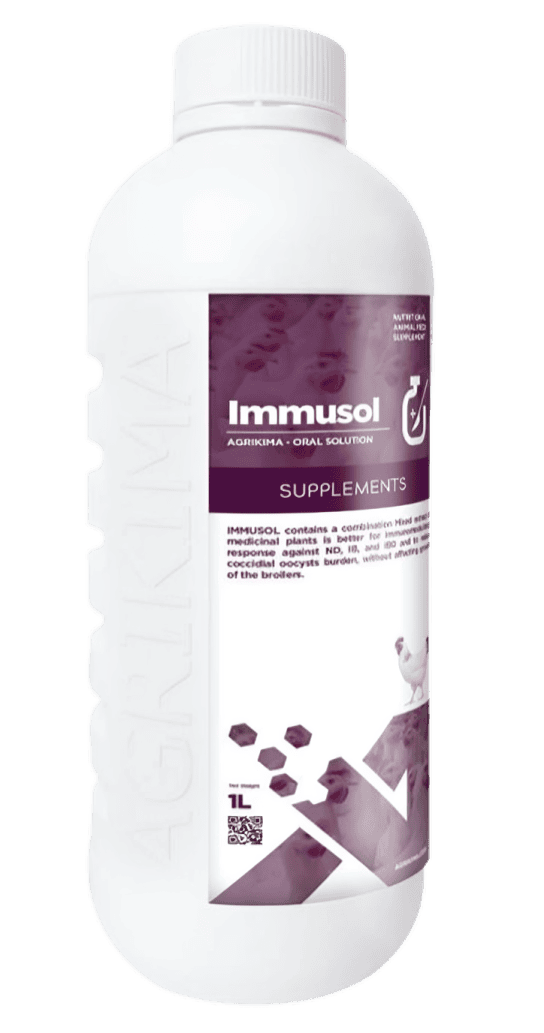
- Use quality veterinary products and supplements to enhance the effectiveness of vaccines and support overall animal health.
- Ensure that animals are healthy at the time of vaccination to achieve optimal immunity.
Conclusion
Maintaining a robust goat vaccination schedule and deworming plan is essential for the health and productivity of your small ruminants. By following the guidelines above and working closely with a veterinarian, you can ensure your goats and sheep remain healthy and productive throughout their lives.