Guessing Animal Weight: Risks of Under-Dosing Antibiotics

Understanding the Importance of Accurate Weight
In livestock farming, accurate dosing of antibiotics is crucial for ensuring animal health and preventing the development of antibiotic resistance. When farmers estimate animal weight rather than measuring it, they risk under-dosing antibiotics, which can lead to ineffective treatment and increased resistance in pathogens.
The Risks of Under-Dosing Antibiotics
Under-dosing antibiotics can have serious consequences. When animals receive less than the required dosage, the antibiotic levels may not reach the minimum inhibitory concentration needed to effectively combat bacteria. This situation allows for the survival of bacteria, potentially leading to the selection of multidrug-resistant microorganisms.
Impact on Treatment Efficacy
Studies have shown that when all animals in a group are treated based on average weights, heavier animals may be under-dosed by 10-25%. This under-dosing can result in a poor response to treatment, prolonging illness and leading to complications that require more aggressive interventions.
Contributing to Antibiotic Resistance
Not only does under-dosing compromise individual animal health, but it also contributes to a broader public health issue: antibiotic resistance. The use of subtherapeutic levels of antibiotics—such as those found in medicated feeds—can promote the evolution of antibiotic resistance. This risk increases when dosing regimens are not optimized to match the specific weight of each animal,.
Why Accurate Weight Measurement is Essential
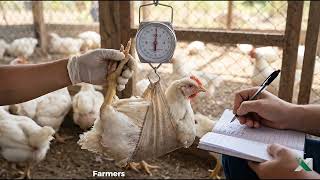
To ensure that all animals receive the correct antibiotic dose, farmers should measure the weight of each animal accurately. This practice helps to minimize the risks associated with under-dosing and ensures that treatment is effective. Here are some practical methods to measure livestock weight accurately:
Using Weigh Bands
- What are Weigh Bands? Weigh bands are flexible tapes that can provide a quick estimate of animal weight based on girth measurements.
- Benefits: They are portable, easy to use, and provide a reasonably accurate estimate, particularly in the field.
- Limitations: While weigh bands are useful, they may not be as precise as electronic scales.
Investing in Electronic Scales
- Accuracy: Electronic scales provide the most accurate measurements and should be used whenever possible, especially in veterinary settings.
- Frequency: Regularly weigh livestock to track growth and adjust feeding and medication accordingly.
Correct Antibiotic Dosing by Weight
Once accurate weights are obtained, it is essential to calculate the correct antibiotic dose based on each animal's weight. This practice not only ensures effective treatment but also minimizes the risk of developing antibiotic resistance in the long term.
Steps to Calculate the Correct Dose
- Determine the recommended dosage of the antibiotic per kilogram of body weight.
- Measure the animal's weight accurately using scales or weigh bands.
- Multiply the animal's weight by the recommended dosage to calculate the total dose needed.
- Administer the calculated dose to the animal.
Quality Veterinary Products and Supplements
To support the health of your livestock, consider using quality veterinary products and supplements designed to enhance overall animal health and reduce reliance on antibiotics. Agrikima offers a range of natural animal health solutions and feed additives that can help boost immunity and reduce the need for antibiotic treatments.
Conclusion
Guessing animal weight can lead to severe consequences, including under-dosing antibiotics and contributing to the rise of antibiotic resistance. By adopting accurate weight measurement practices and calculating the correct antibiotic doses, farmers can ensure effective treatment for their livestock, promote better health outcomes, and contribute to the fight against antibiotic resistance.
Your message to the team
Sources: Read More
- Prudent Use of Veterinary Medicines – Teagasc — Teagasc (Agriculture and Food Development Authority, Ireland)
- Improper Dosing Using Average Cattle Weights – Kansas State University Extension — Kansas State University Agricultural Experiment Station & Cooperative Extension Service
- Dose Imprecision and Resistance: Free‑Choice Medicated Feeds in Industrial Food Animal Production — National Institutes of Health / PMC
- Not All Antibiotic Use Practices in Food‑Animal Agriculture Afford the Same Risk — Wiley Online Library (Journal of Environmental Quality)
- Optimization of Antimicrobial Treatment to Minimize Resistance Selection — Microbiology Spectrum (ASM Journals)
- Antibiotics Use and Resistance in Animals (Extension Material) – ILRI — International Livestock Research Institute (ILRI)