Signs of Gumboro Disease and How to Treat It
Understanding Gumboro Disease
Gumboro disease, also known as infectious bursal disease (IBD), is a highly contagious viral infection that affects poultry, especially chickens. It primarily targets the bursa of Fabricius, an essential organ for the immune system in young birds. Understanding the gumboro disease symptoms treatment is crucial for ensuring the health of your flock.
Signs of Gumboro Disease Symptoms
Recognizing the signs of Gumboro disease early can help you manage the outbreak effectively. Here are the main symptoms to look out for:
- Sudden onset of depression in the flock
- Ruffled feathers and a droopy appearance
- Loss of appetite and decreased feed intake
- Diarrhea, often watery and sometimes stained with blood
- Swelling of the bursa of Fabricius, which may be felt during examination
- High mortality rates, especially in young chicks
Impact on Poultry Farming
The effects of Gumboro disease can be devastating, leading to significant economic losses in poultry farming. Infected birds often suffer from compromised immune systems, making them more susceptible to other diseases. This is why recognizing the gumboro disease symptoms treatment is vital for maintaining broiler health.
Treatment Options for Gumboro Disease
While there is no specific cure for Gumboro disease, certain measures can help manage the symptoms and reduce the impact on your flock:
1. Supportive Care
Providing supportive care is essential for helping affected birds recover. This includes:
- Ensuring access to clean, fresh water
- Providing high-quality feed supplements to boost nutrition
- Maintaining a clean and comfortable living environment
2. Vaccination
Vaccination is one of the most effective measures to prevent Gumboro disease. Consult with your veterinarian about proper vaccination schedules for your flock. Vaccines help prepare the immune system of young chicks against the virus, reducing the likelihood of an outbreak.
3. Quality Veterinary Products
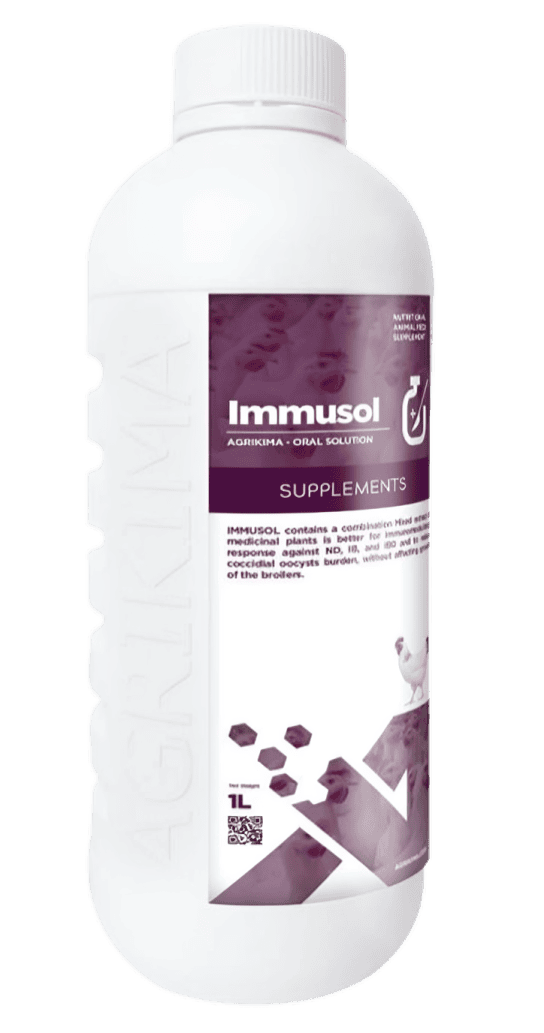
Using quality veterinary products can aid in the treatment and prevention of Gumboro disease. Supplements designed to enhance immune function can be beneficial. Products that contain vitamins, minerals, and probiotics may help improve overall flock health.
Preventing Gumboro Disease
Prevention is always better than treatment, especially in poultry farming. Here are some practical tips to prevent Gumboro disease:
- Implement strict biosecurity measures to minimize the risk of infection.
- Avoid overcrowding in poultry houses to reduce stress and transmission rates.
- Regularly disinfect equipment and housing to kill potential pathogens.
- Isolate new birds for a period before introducing them to your existing flock.
Monitoring Your Flock
Regular monitoring of your flock is essential for early detection of Gumboro disease symptoms. Keep a close eye on:
- Behavior changes in your birds
- Feed and water intake
- Overall flock health and mortality rates
When to Consult a Veterinarian
If you notice any signs of Gumboro disease in your flock, it is crucial to consult a veterinarian immediately. They can provide guidance on the best treatment options and help you manage the outbreak effectively.
Conclusion
Understanding the gumboro disease symptoms treatment is vital for any poultry farmer. By recognizing the signs early, providing supportive care, and using quality veterinary products, you can help protect your flock and ensure better broiler health. Always prioritize prevention through vaccination and biosecurity measures to keep your poultry farm thriving.