Hay, Silage, and Fresh Fodder: The Best Dairy Mix

Understanding the Basics: Hay, Silage, and Fresh Fodder
When it comes to feeding dairy cows, the right mix of hay, silage, and fresh fodder plays a crucial role in maintaining their health and optimizing milk production. Each of these forage types has unique benefits and can significantly impact your dairy operation's efficiency and profitability.
What is Hay?
Hay is dried grass or legumes that are harvested and stored for animal feed. It serves as a crucial source of fiber and nutrients, making it an essential component of a dairy cow's diet. The key benefits of hay include:
- High fiber content, which aids in digestion and rumen health.
- Long shelf life, allowing for long-term storage without spoilage.
- Versatility, as it can be fed during dry seasons or when fresh pasture is limited.
To ensure optimal quality, farmers should focus on harvesting hay at the right stage, typically when the grass is in the flowering stage, as this ensures maximum nutrient content.
What is Silage?
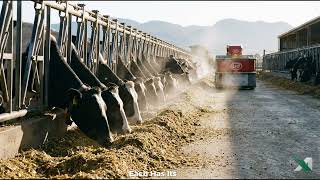
Silage is fermented, high-moisture fodder made from green foliage crops, typically stored in airtight conditions. It is an excellent source of energy and is particularly beneficial during winter months or when pasture growth is slow. The primary benefits of silage include:
- Higher energy content compared to hay, providing more calories for milk production.
- Preservation of nutrients through fermentation, which can enhance the digestibility of the forage.
- Ability to utilize crops that might otherwise go to waste, such as corn or sorghum.
When making silage, it's essential to monitor moisture levels and ensure proper packing to minimize air exposure and promote effective fermentation.
What is Fresh Fodder?
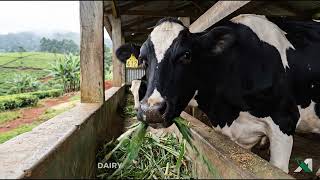
Fresh fodder refers to live plants or freshly cut grass that can be fed to dairy cows. This type of forage provides immediate nutrients and is often more palatable. The advantages of fresh fodder include:
- High moisture content, which helps keep dairy cows hydrated.
- Rich in vitamins and minerals, promoting overall health and milk quality.
- Encourages natural grazing behavior, which can reduce stress in cows.
Implementing rotational grazing or hydroponic systems can ensure a consistent supply of fresh fodder throughout the year.
Choosing the Right Mix for Dairy Cows
To achieve optimal health and milk production in dairy cows, it's vital to create a balanced diet that incorporates hay, silage, and fresh fodder. Research indicates that a combination of these forages meets the nutritional needs of dairy cows more effectively than any single type alone [1][3]. Below are some tips for selecting the right mix:
Assess Nutritional Needs
Understand the specific nutritional requirements of your dairy herd. A balanced diet for dairy cows typically includes:
- Fibrous forages like hay to promote healthy rumen function.
- Energy-rich silage to support high milk yields.
- Fresh fodder to enhance hydration and provide essential vitamins.
Monitor Milk Production
Keep track of milk production levels and make adjustments to the forage mix as necessary. If cows are not producing as expected, consider increasing the proportion of silage or fresh fodder in their diet.
Consider Seasonality
Seasonal changes can affect the availability and quality of forages. During dry seasons, reliance on hay may increase, while silage can be more beneficial during winter months. Fresh fodder can be a year-round option if managed properly.
Feeding Strategies for Optimal Results
Implementing effective feeding strategies can enhance the benefits of your chosen forage mix:
- Dairy Cow Forage Mix: Aim for a mix that includes 40-60% forage from hay, 30-50% from silage, and 10-20% fresh fodder based on the herd's specific needs.
- Cattle Roughage Selection: Always prioritize high-quality forages. Conduct regular assessments to ensure that the forage maintains its nutritional quality, especially if stored for extended periods.
- Feeding Dairy Cows Fodder: Introduce fresh fodder gradually to avoid digestive upsets, and monitor cows closely for any changes in health or behavior.
Conclusion
Choosing the right mix of hay, silage, and fresh fodder is essential for optimizing dairy cow health and milk production. By understanding the unique benefits of each forage type and implementing strategic feeding practices, farmers can ensure their herds thrive. Additionally, consider incorporating quality veterinary products and supplements to further enhance dairy nutrition and overall herd health.
Sources
- Forage Systems for Dairy Cattle — Penn State Extension
- Hay and Silage for Dairy Cattle — Dairy Australia
- Feeding Dairy Cows — Food and Agriculture Organization of the United Nations (FAO)
- Forage Quality and Dairy Nutrition — University of Minnesota Extension
- Feeding Management for Lactating Dairy Cows — Michigan State University Extension
- Dairy Cattle Nutrition and Feeding — Australian Government Department of Agriculture, Fisheries and Forestry