Helping Overweight Pets Lose Weight Safely
Understanding Overweight Pets
Just like humans, pets can struggle with obesity, which poses significant health risks. Overweight pet weight loss is essential for enhancing their quality of life and overall health. A fat dog diet or addressing cat obesity effectively requires a balanced approach that combines proper nutrition, exercise, and veterinary support.
The Risks of Obesity in Pets
Obesity can lead to several health issues, including:
- Diabetes
- Joint problems
- Heart disease
- Respiratory issues
- Reduced lifespan
Therefore, addressing your pet's weight is crucial for their long-term well-being.
Assessing Your Pet's Weight
Before starting a weight loss plan, it’s essential to assess your pet’s current weight and body condition. You can do this by:
- Visiting your veterinarian for a professional evaluation
- Conducting a body condition score (BCS) assessment at home
Your vet can provide valuable insights into your pet’s ideal weight and recommend a suitable pet weight management plan.
Creating a Safe Weight Loss Plan
1. Consult Your Veterinarian
Before making any changes to your pet's diet or exercise routine, consult with your veterinarian. They can help create a tailored weight loss plan that suits your pet's individual needs.
2. Adjusting Diet
A healthy diet is the cornerstone of any successful weight loss program. Here are some tips:
- Switch to a weight management diet: Look for high-quality, low-calorie pet food designed for weight loss.
- Control portion sizes: Measure your pet’s food to avoid overfeeding.
- Incorporate healthy snacks: Use fresh fruits and vegetables as treats instead of high-calorie commercial snacks.
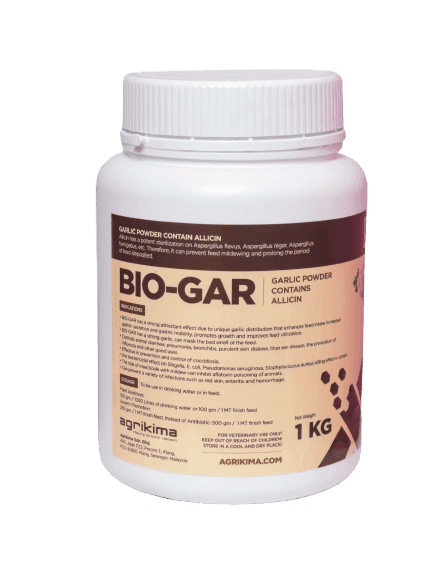
Consider incorporating veterinary-grade supplements that support metabolism and aid in weight loss. These products can enhance the effectiveness of your pet's diet.
3. Increase Exercise
Regular physical activity is vital for successful weight loss. Here are some tips to encourage your pet to be more active:
- Daily walks: Establish a routine for daily walks, gradually increasing the duration and intensity.
- Playtime: Engage in interactive play using toys that stimulate your pet's natural instincts.
- Training sessions: Teach new commands or tricks that require physical movement.
4. Monitor Progress
Keep track of your pet's weight loss journey. Weigh your pet regularly and adjust their diet and exercise plan as needed. Celebrate small milestones to keep both you and your pet motivated.
Staying Consistent and Patient
Weight loss for pets is a gradual process. Be patient and consistent with your efforts. Rapid weight loss can be dangerous, so aim for a gradual reduction of about 1-2% of their body weight per week.
Common Mistakes to Avoid
When helping your overweight pet, avoid these common pitfalls:
- Skipping meals: Never skip meals, as this can lead to nutritional deficiencies.
- Using food as a reward: Instead of treats, use praise or playtime as a reward.
- Ignoring health issues: Some pets may have underlying health conditions that contribute to obesity. Always follow your vet's advice.
Conclusion
Helping an overweight dog or cat lose weight safely requires commitment and a well-rounded approach. By consulting your veterinarian, adjusting their diet, increasing exercise, and monitoring progress, you can guide your pet toward a healthier life. Quality veterinary products and supplements can aid in this journey, ensuring your furry friend achieves their weight loss goals effectively.