How to Prepare Homemade Pig Feed: A Complete Guide
Introduction to Homemade Pig Feed Preparation
Homemade pig feed preparation is a cost-effective way to ensure your pigs receive the nutrition they need for optimal growth and health. By formulating your own pig feed, you can control the ingredients and ensure that your swine nutrition is tailored to their specific needs. In this guide, we will walk you through the essential steps for creating a balanced and nutritious feed for your pigs.
Understanding Pig Feed Formulation
Creating a balanced diet for your pigs requires an understanding of their nutritional needs. Pigs require a mix of carbohydrates, proteins, fats, vitamins, and minerals. Here’s a breakdown of what to include in your pig feed formulation:
- Carbohydrates: These provide energy. Ingredients like corn, barley, and wheat are excellent sources.
- Proteins: Essential for growth. Soybean meal, fish meal, and alfalfa can be good protein sources.
- Fats: They provide concentrated energy and help with vitamin absorption. Fats can be added through vegetable oils or animal fats.
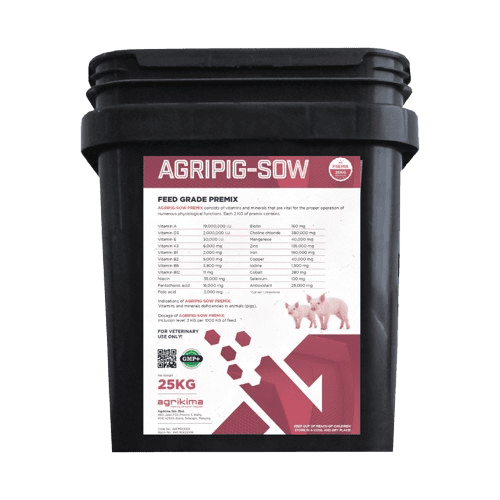
- Vitamins and Minerals: These are crucial for overall health and should be included in the form of supplements or mineral mixes.
Steps for Homemade Pig Feed Preparation
1. Gather Ingredients
Start by collecting high-quality ingredients that are accessible and affordable. Here’s a list of common ingredients for cheap pig feed:
- Corn
- Wheat bran
- Barley
- Soybean meal
- Fish meal
- Vegetable oil
- Alfalfa hay
- Mineral and vitamin supplements
2. Determine Nutritional Requirements
The nutritional needs of pigs vary based on their age, weight, and purpose (breeding, fattening, etc.). Young pigs require a diet higher in protein, while adult pigs may need less. Consult with a veterinary nutritionist if possible to tailor your feed to the specific needs of your pigs.
3. Mix the Ingredients
Using a feed mixer or a simple shovel, combine your ingredients thoroughly. A typical homemade pig feed formulation could look like this:
- 60% energy source (corn or barley)
- 20% protein source (soybean meal)
- 10% roughage (alfalfa hay)
- 10% vitamins and minerals
Adjust the proportions based on specific nutritional guidelines for pigs at different growth stages.
4. Ensure Proper Storage
Store the homemade pig feed in a cool, dry place to prevent spoilage. Use airtight containers to protect against moisture and pests. Regularly check stored feed for any signs of mold or pest infestation.
5. Monitor Pig Health
Once you start feeding your pigs homemade feed, closely monitor their health and growth. Look for signs of good health such as active behavior, healthy coats, and normal weight gain. If you notice any health issues, consider consulting a veterinarian or using quality veterinary products and supplements to support their nutrition.
Benefits of Homemade Pig Feed
Preparing homemade pig feed not only allows for customization according to your pigs' needs but also offers several benefits:
- Cost-Effectiveness: Homemade feed can often be cheaper than commercial feeds.
- Quality Control: You have control over the ingredients, ensuring they are fresh and of high quality.
- Flexibility: You can easily modify the feed formulation based on the availability of local ingredients.
Conclusion
Homemade pig feed preparation is a beneficial practice that can lead to healthier pigs and more profitable farming. By understanding pig feed formulation and focusing on swine nutrition, you can ensure your pigs grow strong and healthy while saving on feed costs. Always remember that quality veterinary products and supplements can enhance your homemade feed and promote better health outcomes for your pigs.