How to Raise Healthy Pigs: A Comprehensive Guide
Introduction to Pig Farming
Pig farming, also known as piggery, is a rewarding agricultural venture that can yield high profits. Raising healthy pigs is essential for successful pork production, and it requires a combination of proper care, nutrition, and management practices. In this guide, we will cover vital aspects of raising healthy pigs, focusing on swine nutrition and best practices to ensure your pigs thrive.
Choosing the Right Breed
Before diving into pig farming, it’s essential to select the right breed. Different breeds have different growth rates, meat quality, and adaptability to various climates. Here are some popular pig breeds:
- Yorkshire: Known for their adaptability and high-quality meat.
- Landrace: Renowned for their mothering abilities and large litter sizes.
- Berkshire: Valued for their flavor and tenderness of pork.
Consider your local market demands and climate when selecting a breed.
Creating a Healthy Environment
Housing and Space Requirements
Providing adequate space and proper housing is crucial for the well-being of your pigs. Ensure that your piggery has:
- Good ventilation to prevent respiratory issues.
- Dry and clean bedding to minimize disease risk.
- Ample space to allow for natural behaviors, such as rooting and socializing.
Maintaining Cleanliness
Regular cleaning of the pig housing is vital. A clean environment reduces the risk of diseases and parasites. Implement a routine cleaning schedule to ensure the health of your pigs.
Swine Nutrition: The Key to Healthy Pigs
Proper nutrition is fundamental to raising healthy pigs. It affects growth rates, reproductive performance, and overall health. Here are some essential tips for effective swine nutrition:
Balanced Diet
Your pigs require a balanced diet, consisting of carbohydrates, proteins, fats, vitamins, and minerals. Here’s a basic breakdown of what to include:
- Carbohydrates: Sources like corn and barley provide energy.
- Proteins: Include soybean meal and fish meal for muscle development.
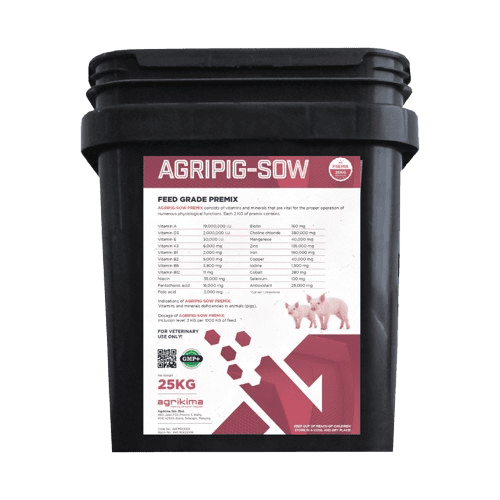
- Vitamins and Minerals: Essential for various bodily functions, consider using quality veterinary supplements to ensure proper intake.
Feeding Schedule
Establishing a consistent feeding schedule is crucial. Feed your pigs at the same times each day to promote routine and digestive health. Adjust portion sizes based on their age and size.
Water Availability
Always provide clean, fresh water. Pigs require a significant amount of water daily, especially in warmer climates. Ensure that water sources are easily accessible.
Health Management Practices
Regular Health Checks
Conduct regular health checks to monitor your pigs for any signs of illness. Look for symptoms like coughing, limping, or loss of appetite. Early detection of health issues can save your herd and enhance pork production.
Vaccination and Deworming
Establish a vaccination schedule based on veterinary recommendations. Vaccinations can prevent common diseases that affect pigs. Additionally, regular deworming is necessary to control internal parasites that can impact growth and health.
Behavior and Socialization
Pigs are intelligent and social animals. Providing opportunities for social interaction can reduce stress and promote better health. Ensure your pigs have companions and create a stimulating environment with toys or rooting materials.
Record Keeping for Successful Pig Farming
Keeping accurate records of your pig farming operation is essential. Track growth rates, feed consumption, health issues, and breeding practices. This information can help you make informed decisions and improve your management practices over time.
Conclusion
Raising healthy pigs requires dedication, knowledge, and attention to detail. By focusing on proper swine nutrition, creating a healthy living environment, and implementing effective health management practices, you can ensure a thriving piggery. Remember, quality veterinary products and supplements can significantly aid in maintaining the health and productivity of your pigs. With these tips, you're well on your way to successful pig farming.