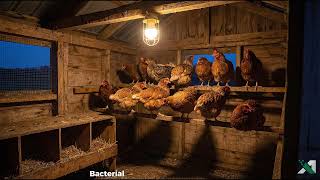
How to Introduce New Birds to Your Flock Safely

Understanding Flock Dynamics
Chickens are social animals that establish a pecking order, a hierarchy that governs their interactions. Introducing new chickens can disrupt this balance, leading to fighting and stress within the flock. To avoid such issues and promote flock harmony, careful planning is essential.
The Importance of Quarantine
Before introducing new birds to your existing flock, it is crucial to quarantine them. This practice helps prevent the spread of diseases that could harm your entire flock. The quarantine period should last at least two weeks, during which you should monitor the new birds for any signs of illness.
Steps for Effective Quarantine
- Isolate the new birds from your existing flock in a separate pen.
- Ensure they have their own feeding and watering equipment.
- Observe them daily for any signs of disease, such as coughing, lethargy, or unusual droppings.
- Consider using natural supplements to boost their immune system during quarantine.
Preparing for Introduction
Once the quarantine period is over and the new birds are healthy, it’s time to prepare for their introduction. The goal is to minimize stress and aggression.
Choosing the Right Time
The time of day can significantly impact the integration process. Introducing new chickens at night is a recommended strategy. At night, the existing flock is usually more subdued, and the new birds can acclimate to their new surroundings without the added pressure of daytime pecking order dynamics.
Creating a Comfortable Environment
Before introducing the new birds, ensure the living conditions are conducive to harmony. Here are some tips:
- Provide ample space for all birds. Crowded conditions can lead to stress and fighting.
- Introduce plenty of hiding spots and perches, allowing both new and existing birds to establish their comfort zones.
- Maintain a balanced diet with quality feed and supplements to keep the flock healthy during the transition.
Integration Process
With the preparations in place, you can begin the integration of the new chickens into your flock.
Gradual Exposure
Instead of a sudden introduction, consider allowing the birds to see each other from a distance before the actual integration. Use a fence or barrier to separate the flocks initially. This allows them to get acquainted with each other's presence, sights, and sounds without direct contact.
Direct Integration
After a few days of observation, you can proceed with direct integration. Here are some strategies to minimize fighting:
- Release the new birds into the flock during feeding time. This distraction can help divert attention away from potential aggression.
- Supervise the introduction closely for the first few hours. Be prepared to intervene if significant fighting occurs.
- Consider introducing the new birds in small groups rather than all at once to reduce the shock to the established flock.
Managing the Pecking Order
During the integration, you may observe some pecking and posturing as the birds establish a new hierarchy. This is a natural behavior, but it’s important to monitor it.
Recognizing Healthy vs. Aggressive Behavior
Healthy pecking behavior is often brief and non-violent. If you notice persistent bullying or severe fighting, it may be necessary to separate the aggressive bird or birds temporarily. This separation can help them cool down and readjust before reintroducing them to the flock.
Post-Integration Care
After successfully integrating the new birds, continue to monitor their interactions. Here are some ongoing care tips:
- Ensure all birds have access to quality feed and fresh water. Quality veterinary products can aid in maintaining their health during this transition.
- Keep an eye on the pecking order dynamics over the next few weeks, as it may take time for the new hierarchy to stabilize.
- Maintain biosecurity practices to reduce the risk of disease, ensuring all birds are healthy and well-cared-for.
Conclusion
Introducing new chickens to an existing flock can be a smooth process if done thoughtfully. By following these steps—quarantining new birds, preparing for their introduction, managing the integration process, and caring for your flock post-introduction—you can foster a peaceful and harmonious environment. With the right strategies and a little patience, you can successfully expand your flock without fighting.