Quick Detection and First-Aid for Ketosis in Dairy Cows
Understanding Ketosis in Dairy Cows
Ketosis, also known as acetonaemia, is a metabolic disorder that occurs in dairy cows, especially during the early lactation period. This condition arises when the energy demands of the cow exceed the available energy intake, leading to a state of energy deficiency dairy. It is crucial for farmers to recognize the signs of ketosis early to implement effective treatments.
Signs and Symptoms of Ketosis
Identifying ketosis in dairy cows can be challenging, but being vigilant about the following signs can help:
- Decreased Milk Production: A significant drop in milk yield is often one of the first indicators.
- Weight Loss: Cows may lose weight rapidly due to energy deficiency.
- Changes in Appetite: Affected cows may exhibit a reduced appetite and may avoid feed.
- Abnormal Behavior: Look for signs of lethargy, a dull coat, or a preference to isolate from the herd.
- Sweet Breath: The presence of ketone bodies leads to a characteristic sweet or fruity odor on the breath.
Quick Detection Techniques
To effectively manage ketosis, early detection is key. Here are some quick methods to diagnose ketosis:
1. Blood Testing
Regular blood tests can determine the levels of beta-hydroxybutyrate (BHB), a ketone body that increases during ketosis. A BHB level above 1.2 mmol/L indicates ketosis.
2. Urinalysis
Testing urine for ketones can also provide quick results. A positive test indicates the presence of ketosis.
3. Monitoring Body Condition Score (BCS)
Keeping track of the body condition of your cows is essential. A drop in BCS may indicate an energy deficiency dairy situation, leading to ketosis.
First-Aid Steps for Managing Ketosis
If you suspect that a cow is suffering from ketosis, immediate action is necessary. Here are some first-aid steps:
1. Provide Energy-Rich Feed
Offer energy-dense feeds such as high-quality grains, molasses, or specially formulated energy supplements to help meet the cow's energy requirements.
2. Administer Glucose or Propylene Glycol
Injecting glucose or providing propylene glycol orally can help quickly restore energy levels. Consult with a veterinarian for the appropriate dosage.
3. Ensure Hydration
Encourage the cow to drink plenty of water. Dehydration can exacerbate ketosis symptoms. Consider using electrolyte solutions to enhance hydration.
4. Review Feeding Practices
Evaluate and adjust your feeding strategies to ensure a balanced diet that meets the energy needs of lactating cows. Incorporating quality feed additives can also aid in preventing ketosis.
Preventive Measures
Preventing ketosis is more effective than treating it. Here are some strategies to minimize the risk:
- Monitor Transition Periods: Pay close attention during the transition from dry to lactating periods. Ensure that cows maintain a balanced diet during this time.
- Regular Health Check-ups: Schedule regular veterinary check-ups to monitor overall health and nutritional status.
- Maintain Proper Body Condition: Keep cows in optimal body condition scores before calving to reduce the risk of ketosis.
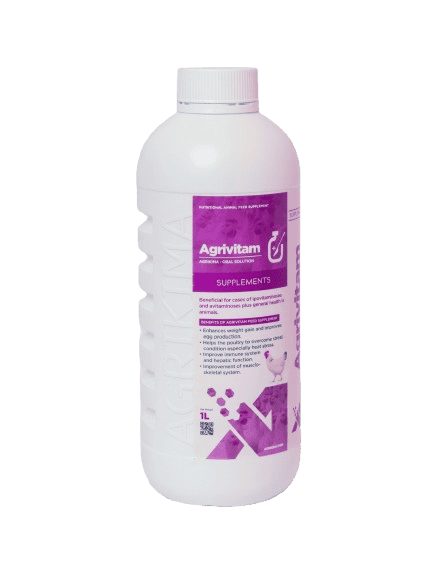
- Use Quality Supplements: Incorporate natural animal health solutions and supplements designed to support energy metabolism during high-demand periods.
Conclusion
Ketosis in dairy cows can significantly impact milk production and overall herd health. Quick detection and immediate first-aid steps are crucial in managing this condition effectively. By implementing preventive measures and ensuring a balanced diet, farmers can help minimize the risks associated with ketosis. Remember, quality veterinary products and supplements can provide essential support in maintaining the health of your dairy herd.