Making Your Own Kienyeji Chicken Feed
Introduction
Kienyeji chickens, known for their resilience and adaptability, are a popular choice among farmers. Preparing your own kienyeji chicken feed not only ensures that your birds receive the necessary nutrients but also allows you to utilize local feed ingredients, promoting sustainability and cost-effectiveness.
Benefits of Homemade Kienyeji Chicken Feed
- Cost-effective: Utilizing local feed ingredients reduces expenses.
- Customizable: Tailor the feed to meet the specific nutritional needs of your chickens.
- Quality Control: Ensures the absence of harmful additives and chemicals.
Understanding Kienyeji Chicken Nutrition
To create a balanced diet for your kienyeji chickens, it is essential to understand their nutritional requirements. A well-formulated diet includes a mix of carbohydrates, proteins, vitamins, and minerals.
Key Nutritional Components
- Carbohydrates: Provide energy. Common sources include maize and wheat bran.
- Proteins: Essential for growth and egg production. Sources include sunflower seeds, fish meal, and soybean meal.
- Vitamins and Minerals: Crucial for overall health. Calcium and phosphorus are vital for laying hens.
Local Feed Ingredients for Kienyeji Chicken Feed
Using local ingredients not only supports the economy but also ensures freshness. Here are some commonly used feed ingredients:
- Maize: A staple carbohydrate source.
- Sunflower seeds: High in protein and healthy fats.
- Fish meal: Excellent protein source, especially for growing chicks.
- Vegetable scraps: Use leftovers from the kitchen to supplement feed.
- Grain legumes: Such as beans and peas, provide essential amino acids.
Steps to Prepare Kienyeji Chicken Feed
Follow these steps to create your own kienyeji chicken feed:
Step 1: Gather Ingredients
Collect the necessary local feed ingredients based on availability and your chickens' nutritional needs.
Step 2: Formulate the Recipe
A simple formula might include:
- 60% Maize
- 20% Sunflower seeds
- 10% Fish meal
- 10% Vegetable scraps or legumes
Step 3: Grinding and Mixing
Use a grinder to crush the ingredients into a fine powder. This helps in better digestion and nutrient absorption.
Step 4: Adding Supplements
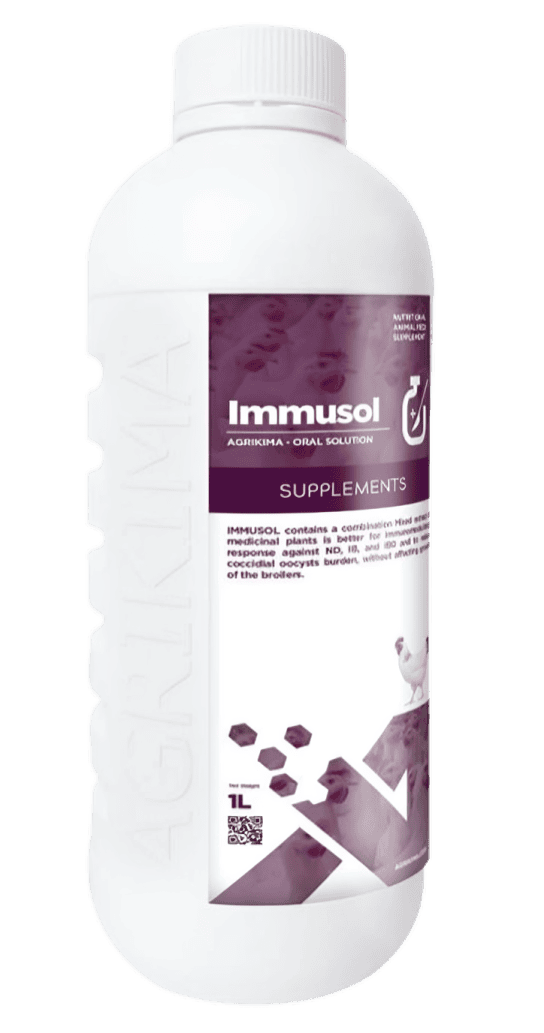
Consider adding quality veterinary products and supplements to enhance the nutritional value, such as:
- Mineral supplements for calcium and phosphorus.
- Probiotics to boost gut health.
Step 5: Storing the Feed
Store the mixed feed in a cool, dry place to prevent spoilage and maintain freshness. Use airtight containers to keep pests away.
Feeding Practices for Optimal Health
Proper feeding practices are crucial for the well-being of your kienyeji chickens:
- Feed small amounts frequently to encourage foraging behavior.
- Ensure fresh water is available at all times.
- Monitor the chickens' health and adjust the feed as necessary.
Conclusion
Making your own kienyeji chicken feed is not only beneficial for your poultry's health but also promotes the use of local resources. By understanding their nutritional needs and using local feed ingredients, you can create a balanced diet that supports their growth and productivity. Remember, incorporating quality veterinary products and supplements can further enhance your chickens' health, ensuring a successful and sustainable farming venture.