Effective Layer Lighting Programme for Higher Egg Production
Introduction
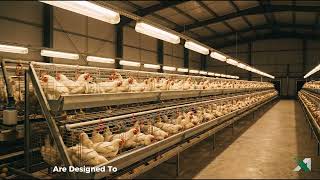
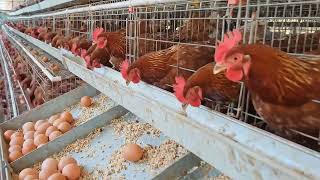
For poultry farmers, achieving higher egg production is often a primary goal. One of the most effective ways to enhance egg yield is through a well-structured layer lighting programme. Light plays a crucial role in the reproductive cycle of layers, influencing their egg-laying patterns.
Understanding Photoperiod in Chickens
The term photoperiod refers to the duration of light exposure that chickens receive in a day. It is vital for regulating their reproductive hormones, which directly affect egg production. Layers typically require a minimum of 14-16 hours of light exposure daily to stimulate optimal egg laying.
The Importance of a Consistent Light Schedule for Layers
A consistent light schedule for layers helps maintain their biological rhythms. Sudden changes in light can cause stress, leading to reduced egg production. Here’s how to structure a practical lighting programme:
- Start Early: Begin with a gradual increase in light exposure as your layers approach maturity, around 16-20 weeks of age.
- Maintain Consistency: Ensure that the same light schedule is followed daily to avoid any disruptions.
- Use Artificial Lighting: In cases where natural light is insufficient, use artificial lights to extend the day length, especially during winter months.
Creating an Effective Lighting Programme
When designing your lighting programme, consider the following steps:
1. Determine the Right Light Intensity
Light intensity is crucial for encouraging egg production. A general recommendation is to provide about 10-20 lux of light intensity for layers. Too little light can lead to decreased egg production, while too much can cause stress.
2. Implement a Gradual Increase in Light Hours
Start with 12 hours of light daily and gradually increase to 14-16 hours over a few weeks. This gradual exposure ensures that the hens adapt comfortably to the changes. For instance:
- Weeks 1-2: 12 hours
- Weeks 3-4: 14 hours
- Weeks 5 onward: 16 hours
3. Use a Combination of Natural and Artificial Light
Utilize natural sunlight as much as possible. However, during winter or in shaded areas, supplement with artificial lighting. LED lights are a great choice because they provide adequate brightness while being energy-efficient.
4. Monitor and Adjust Light Exposure
Regularly monitor the hens’ behavior and egg production to evaluate the effectiveness of your lighting programme. If egg production declines, consider adjusting the light schedule or intensity.
5. Provide a Dark Period
Ensure that chickens have a dark period for at least 6-8 hours. This rest is essential for their overall well-being and reproductive health.
Supplementing Lighting with Quality Products
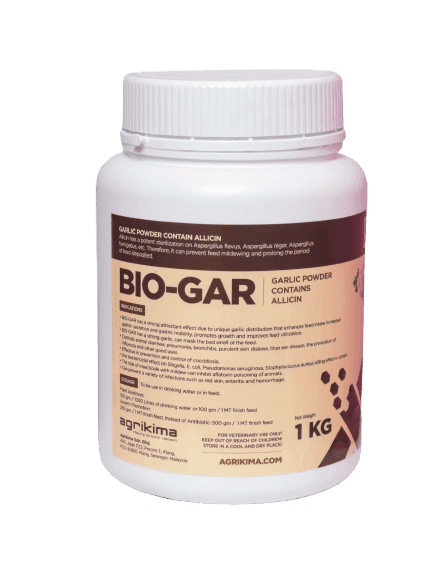
To further support your layers, consider integrating quality veterinary products and supplements into their diet. Nutritional support can enhance the benefits of your lighting programme, improving overall health and productivity. Key supplements might include:
- Calcium: Essential for eggshell quality.
- Vitamin D: Helps in calcium absorption.
- Multivitamins: Supports overall health and productivity.
Conclusion
Implementing a practical layer lighting programme is a vital step towards increasing egg production in your flock. By understanding photoperiod requirements, maintaining a consistent light schedule, and supplementing with high-quality products, you can optimize egg yield and ensure the health of your layers. Start today, and watch your egg production thrive!