Least-Cost Feed Formulation for Small Feed Producers
Understanding Least-Cost Feed Formulation
Least-cost feed formulation is an essential practice for small feed producers aiming to optimize their feed production while minimizing costs. It involves using locally available ingredients and balancing nutritional requirements to create cost-effective feed rations for livestock.
The Importance of Feed Cost Optimization
For small feed mills, feed cost optimization is crucial. It allows producers to remain competitive in the market while ensuring the health and productivity of the animals they feed. By focusing on least-cost feed formulation, producers can effectively manage their resources and increase profitability.
Steps to Implement Least-Cost Feed Formulation
- Gather Data on Ingredients: Collect information on the nutritional composition and costs of local feed ingredients. This data will serve as the foundation for your formulations.
- Utilize Formulation Software: Employ a specifically designed computer program or spreadsheet for least-cost formulation. These tools can calculate the optimal mix of ingredients based on nutritional needs and costs, ensuring efficient use of resources,.
- Adjust Nutrient Ratios: Focus on maintaining the right balance among nutrients. For example, adjust protein and energy levels according to the specific requirements of the livestock being fed. Understanding the proportionality among nutrients is key to creating balanced rations.
- Test and Evaluate: After formulating your feed, test it with your livestock to assess its effectiveness. Monitor animal health and performance to make necessary adjustments in future formulations.
Affordable Feed Production Techniques
Implementing affordable feed production techniques can significantly enhance your least-cost feed formulation strategy. Here are some practical tips:
- Incorporate Local Byproducts: Use agricultural byproducts such as fruit pulps, brewery grains, or molasses, which are often cheaper and still nutritious. This practice not only reduces costs but also promotes sustainability.
- Bulk Purchasing: Consider purchasing ingredients in bulk to lower overall costs. Forming cooperatives with other small feed producers can also facilitate bulk buying.
- Optimize Ingredient Use: Ensure precise measurements and minimize waste during production. Proper storage techniques can help maintain ingredient quality and reduce spoilage.
Leveraging Technology for Efficiency
Modern technology plays a vital role in enhancing feed formulation processes. Tools like UNEForm, an Excel spreadsheet designed for feed formulation, can be tailored to meet individual needs and provide flexibility in developing least-cost diets.
Managerial Considerations
Small feed producers should also consider managerial aspects when formulating feed. This includes:
- Supply Chain Coordination: Increase communication among suppliers and customers to improve efficiency and ensure a steady supply of raw materials.
- Regular Training: Educate staff on best practices in feed formulation and production to enhance overall operational efficiency.
- Continuous Improvement: Regularly revisit and revise feed formulations based on market changes, ingredient availability, and animal performance data.
Quality Supplements and Veterinary Products
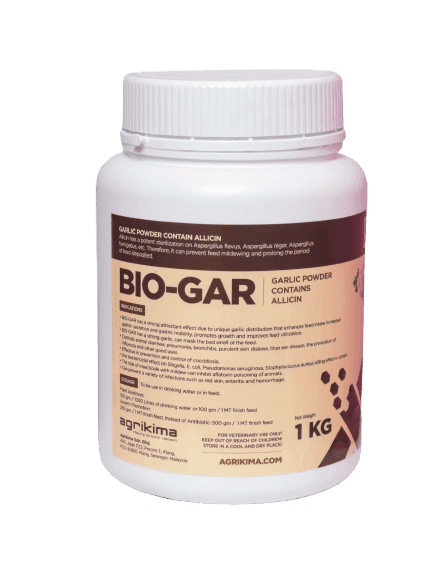
In addition to cost-effective formulations, incorporating quality veterinary products and supplements can significantly boost the health and productivity of livestock. These products can enhance nutrient absorption, support immune functions, and improve overall animal welfare.
Conclusion
Least-cost feed formulation is a powerful strategy for small feed producers looking to optimize their feed production while minimizing costs. By leveraging local ingredients, utilizing formulation software, and maintaining effective management practices, producers can achieve affordable feed production that meets the nutritional needs of their livestock. Investing in quality supplements and veterinary products will further enhance the benefits of a well-structured feed formulation strategy.
Your message to the team
Sources: Read More
- 5. CAN I MAKE MY OWN COMPOUND FEEDS? HOW? — Food and Agriculture Organization (FAO)
- Proportionality Among Nutrients in Least Cost Feed Formulation — Poultry Science
- UNEForm: a powerful feed formulation spreadsheet suitable for teaching or on-farm formulation — Animal Feed Science and Technology
- Managerial aspects of least-cost feed formulation with linear programming — U.S. Department of Agriculture, Economic Research Service
- Should feed mills go beyond traditional least cost formulation? — Computers and Electronics in Agriculture