Building a Low-Cost Pig Sty for Smallholders
Introduction
Pig farming is an excellent venture for smallholders, providing a reliable source of income and sustenance. However, the initial setup costs can be daunting. Constructing a low-cost pig sty is essential for maximizing profitability while ensuring the welfare of the pigs. In this guide, we'll explore practical steps to create an effective pig sty that meets the needs of your animals without breaking the bank.
Understanding Pig Sty Construction
Before diving into the construction process, it’s vital to understand the basic requirements of pig housing. According to the Food and Agriculture Organization, proper pig housing is crucial for efficient production and should consider ventilation, space, and ease of cleaning.
Key Considerations for Construction
- Space Requirements: Each pig needs adequate space to move around. A good rule of thumb is to allocate at least 1.5 square meters per pig for growing pigs and around 2.5 square meters for sows.
- Ventilation: Good airflow is essential to prevent heat stress and respiratory issues. Designs should promote natural ventilation, using openings that allow fresh air in while keeping rain out.
- Ease of Cleaning: Choose materials that are easy to clean and disinfect. Smooth concrete floors or treated wood can help maintain hygiene, reducing disease risks.
- Sunlight Exposure: Ensure that the sty allows for sunlight penetration during the day, which helps in maintaining a healthy environment for the pigs.
Designing Your Low-Cost Pig Sty
When it comes to piggery design, simplicity is key. Here are some design ideas that incorporate low-cost materials and effective layouts suitable for smallholder farmers:
1. Basic Structure
Construct a rectangular structure with a sturdy frame using locally sourced wood or bamboo. This not only keeps costs low but also provides sufficient strength to support the roof. Cover the roof with thatch, corrugated metal, or any available material that can withstand local weather conditions.
2. Floor Design
A raised wooden or concrete floor is ideal to keep the pigs dry and healthy. Consider sloping the floor slightly to facilitate drainage of waste and water. This design helps manage odors and keeps the environment cleaner.
3. Feeding and Watering Areas
Designate specific areas for feeding and watering. Use troughs made from old containers or repurposed materials. Ensure that the feeding area is separate from the sleeping area to encourage cleanliness and prevent contamination.
4. Pens and Compartments
Divide the sty into pens to keep pigs of different sizes or breeding status separate. Use lightweight materials like wire fencing to create these divisions, allowing for easy adjustments as your herd grows.
Implementing Sustainable Practices
In addition to cost-effective construction, incorporating sustainable practices can further reduce expenses and enhance productivity:
- Waste Management: Consider building a simple composting system for pig waste. This can provide organic fertilizer for crops, reducing the need for chemical fertilizers.
- Utilizing Byproducts: Use kitchen scraps and farm leftovers as supplementary feed. This not only cuts down on feed costs but also minimizes waste.
- Natural Ventilation Solutions: Design your pig sty to take advantage of natural breezes by positioning windows and openings strategically.
Maintaining Your Pig Sty
Regular maintenance is crucial to ensure the longevity of your pig sty and the health of your pigs. Here are some tips:
- Daily Cleaning: Remove waste daily to prevent the buildup of harmful bacteria and parasites.
- Regular Inspections: Check for leaks, structural integrity, and signs of wear and tear in materials.
- Health Monitoring: Keep an eye on your pigs’ health and consult a veterinarian for vaccinations and supplements to prevent diseases.
Conclusion
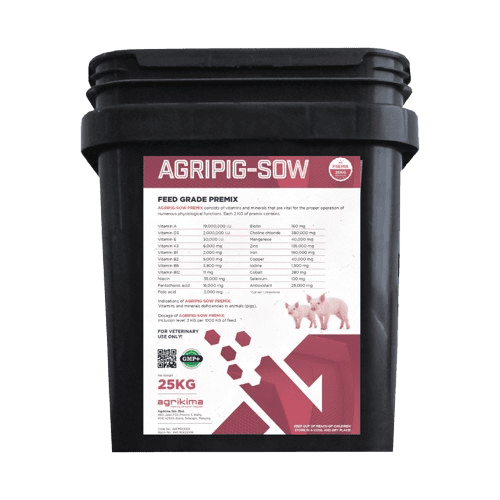
Setting up a low-cost pig sty is a feasible and rewarding venture for smallholders aiming for sustainable pig farming. By focusing on simple design principles, effective space utilization, and regular maintenance, you can create an environment that supports both animal welfare and productivity. Remember, investing in quality veterinary products and supplements can further enhance your pig farming success.
Your message to the team
Sources: Read More
- Pig Housing — Food and Agriculture Organization of the United Nations
- Swine Housing and Equipment Handbook — Iowa State University Extension and Outreach
- Pig Housing and Facilities — Department of Agriculture, Food and the Marine, Ireland
- Design and Construction of Piggery Units — Department of Agriculture, Forestry and Fisheries, South Africa
- Pig Housing for Small Scale Producers — National Pork Board
- Pig Housing and Management — Agriculture Victoria