Building a Low-Cost Tarp Shelter for Goats and Sheep
Introduction
Providing adequate shelter for your goats and sheep is essential for their health and productivity. A low-cost opaque tarp shelter can serve as an effective solution, offering protection from wind and rain while being easy to construct. This guide will walk you through the steps to build your own mobile ruminant housing using tarps.
Why Choose a Tarp Shelter?
A tarp shelter is not only economical but also versatile. It can be easily moved to different locations, allowing you to manage grazing patterns effectively. According to the Iowa State University Extension, portable shelters constructed with tarps can provide necessary shelter for sheep and goats, adapting to various environmental conditions.
Materials Needed
- Heavy-duty tarp (choose opaque for better protection)
- Lightweight frame materials (PVC pipes or wooden posts)
- Rope or bungee cords for securing the tarp
- Ground anchors or stakes
- Tools: scissors, hammer, and drill
Step-by-Step Construction
Step 1: Design Your Shelter
Before starting, sketch a simple design of your shelter. Consider dimensions that will accommodate your herd size. A basic A-frame structure tends to work well, providing enough headspace and stability.
Step 2: Construct the Frame
Using your chosen frame materials, create the skeleton of your shelter. If using PVC pipes, cut them to the desired lengths and connect them using elbow joints to form an A-frame. For wooden posts, ensure they are securely driven into the ground for stability.
Step 3: Attach the Tarp
Once the frame is complete, drape the heavy-duty tarp over the structure. Make sure the tarp extends beyond the edges of the frame to provide adequate coverage. Secure the tarp using rope or bungee cords tied to the frame, ensuring it is tight enough to withstand wind conditions.
Step 4: Anchor the Shelter
Use ground anchors or stakes to secure the shelter to the ground, particularly if you live in a windy area. This will prevent it from being blown away and will add stability to the overall structure.
Benefits of an Opaque Tarp Shelter
Opaque tarps provide better insulation compared to clear tarps, helping to keep your goats and sheep warm during colder months. As noted in the Purdue University Extension, proper housing protects livestock from adverse weather conditions and enhances their overall health.
Maintenance Tips
- Regularly check the tarp for tears or wear, replacing it as needed.
- Keep the area around the shelter clean to prevent disease.
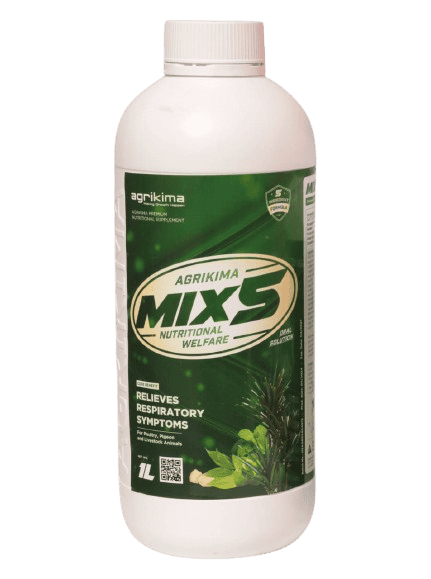
- Consider using quality veterinary products and supplements to ensure your livestock’s health, especially during adverse weather.
Conclusion
Building a low-cost opaque tarp shelter for goats and sheep is a practical and effective solution to ensure their comfort and safety. With minimal materials and effort, you can create a mobile ruminant housing unit that protects them from wind and rain. This DIY livestock shed is a smart investment for any farmer looking to enhance the welfare of their animals.
Your message to the team
Sources: Read More
- Housing and Facilities for Sheep and Goats — Purdue University Extension
- Sheep Housing and Equipment Handbook — Iowa State University Extension
- Goat Housing — Food and Agriculture Organization (FAO)
- Designing a Low-Cost Shelter for Small Ruminants — University of Maryland Extension
- Portable Livestock Shelters — North Dakota State University Extension