Managing Internal Parasites in Small Ruminants
Understanding Internal Parasites in Small Ruminants
Small ruminants, particularly goats and sheep, are commonly affected by internal parasites, which can significantly impact their health and productivity. One of the most notorious parasites is the barber pole worm (Haemonchus contortus), a blood-sucking nematode that can cause severe anemia, poor growth rates, and even death if not managed effectively.
Why Manage Internal Parasites?
Effective parasite control is crucial for maintaining the health of your flock and ensuring economic viability in your farming operation. Internal parasites can lead to:
- Reduced weight gain
- Lower milk production
- Increased veterinary costs
- Higher mortality rates
By focusing on proper management strategies, you can minimize these risks and improve the overall productivity of your goats and sheep.
Key Strategies for Goat and Sheep Deworming
1. Regular Fecal Testing
Instead of following a routine deworming schedule, it's essential to base deworming on fecal egg counts and clinical signs of infection. This approach helps to reduce the risk of anthelmintic resistance, a growing concern among livestock farmers. Regular monitoring will allow you to identify which animals need treatment and when.
2. FAMACHA Scoring
The FAMACHA system is a valuable tool that helps farmers assess the need for deworming based on the color of the conjunctiva of the eye. This method focuses on identifying animals with anemia due to Haemonchus contortus infestation. By using this scoring method, you can selectively treat only those animals in need, thus preserving the effectiveness of the dewormers.
3. Integrated Parasite Management
Implementing an integrated parasite management strategy is vital for controlling internal parasites effectively. This includes:
- Rotational Grazing: Allowing pasture to rest can reduce parasite loads in the environment. Alternate grazing areas to minimize the chances of re-infection.
- Proper Nutrition: A well-balanced diet supports the immune system of your goats and sheep, making them more resilient against infections.
- Pasture Management: Keep pastures clean and avoid overgrazing, which can increase parasite exposure.
4. Choosing the Right Dewormer
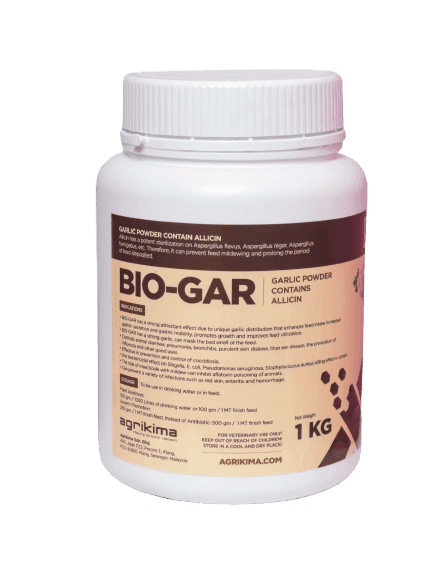
Using the right dewormer is crucial for effective management. Always consult with a veterinarian to select an appropriate product based on the specific parasites affecting your flock. Natural animal health solutions and quality veterinary supplements available through Agrikima can enhance your deworming efforts.
Signs of Internal Parasite Infestation
Recognizing the signs of internal parasites early can help in managing infestations effectively. Look for:
- Weight loss and poor body condition
- Diarrhea
- Anemia (pale mucous membranes)
- Reduced feed intake
- Swelling of the abdomen
When to Deworm Goats and Sheep
Determining when to deworm your goats and sheep should be based on individual assessments rather than a set schedule. Monitor the health and fecal egg counts of your animals regularly and treat as needed. Seasonal changes can also influence parasite loads, so adjust your deworming strategy accordingly. For instance, areas with high humidity may see increased parasite prevalence during wet seasons.
Preventing Anthelmintic Resistance
One of the most significant challenges in managing internal parasites is the development of anthelmintic resistance. To mitigate this risk, consider the following practices:
- Rotate dewormers with different modes of action.
- Avoid overuse of dewormers.
- Implement targeted deworming practices, treating only those animals that need it.
The Role of Supplements in Parasite Management
Supplementing your goats and sheep with natural products can enhance their overall health and help them better resist parasite infections. Agrikima offers various supplements designed to boost the immune system and overall health of your livestock, making them more resilient against internal parasites.
Conclusion
Managing internal parasites in small ruminants is crucial for maintaining flock health and productivity. By employing strategies such as regular fecal testing, FAMACHA scoring, and integrated parasite management, farmers can effectively mitigate the risks associated with internal parasites. Remember, selecting quality veterinary products and implementing strategic deworming practices will help ensure the health of your goats and sheep in the long run.
Your message to the team
Sources: Read More
- Managing Internal Parasites in Sheep and Goats — Purdue University Extension
- Internal Parasite Management in Sheep and Goats — Alabama Cooperative Extension System
- Control of Internal Parasites in Sheep and Goats — University of Vermont Extension
- Managing Internal Parasites in Sheep and Goats — University of Maryland Extension
- Internal Parasite Control in Sheep and Goats — Clemson Cooperative Extension
- Gastrointestinal Parasites in Small Ruminants — Food and Agriculture Organization of the United Nations