Managing a Molt: Resting Layers Without Losing the Flock
Understanding Molting in Layers
Molting is a natural process where hens shed old feathers and regrow new ones. This process can lead to a temporary reduction in egg production, making molting layers management crucial for farmers. By implementing effective strategies, you can ensure that your layers rest properly without losing the entire flock.
Why Induce Molting?
Induced molting is a practice that can rejuvenate your layers, improving their egg production potential. It helps to regress and regenerate the reproductive tract, which can enhance subsequent egg quality and quantity. For farmers in developing countries, this practice is both valuable and economical, allowing them to maximize the production from their existing layer populations.
Benefits of Induced Molting
- Improved egg production post-molt
- Enhanced eggshell quality
- Increased longevity of the laying period
Practical Steps for Managing Molting Layers
Successfully managing a molt involves careful planning and execution. Here are some practical steps to consider:
1. Understand the Signs of Molting
Recognizing the early signs of molting, such as feather loss in layers, is essential. Hens may become less active and produce fewer eggs during this period. Monitoring your flock closely will help you identify when to initiate induced molting.
2. Implement Feed Withdrawal
One common method to induce molting is feed withdrawal. This approach has been shown to be effective in managing layers during the molting process, though it may lead to temporary immunosuppression if not managed carefully. Therefore, it’s essential to reintroduce feed gradually to prevent stress in your flock.
3. Use Quality Feed During the Molt
After the initial feed withdrawal, reintroducing a high-quality diet is crucial. Using feed types like rice bran and wheat bran can be viable options, as these have been shown to produce performance and egg quality similar to those fasted during the induced molting.
4. Monitor Health and Well-being
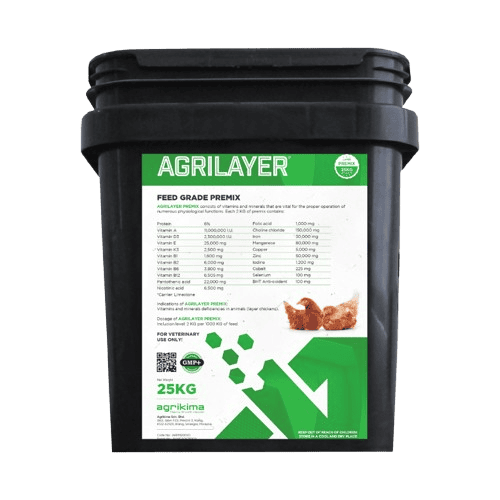
During the molting period, it's vital to monitor the health of your layers closely. Providing essential vitamins and minerals can help them through this stressful time. Agrikima offers various supplements that can boost your layers' immune systems to help maintain their health during molting.
5. Maintain Proper Housing Conditions
Ensure that your layers have a comfortable environment to help alleviate stress. Proper ventilation, temperature control, and sufficient space can significantly enhance their well-being during the molt. Stressful conditions may lead to further complications, such as increased feather pecking and cannibalism.
Transitioning to the Second Lay Cycle
After the molting period, your layers should be prepared for another laying cycle. To ensure a smooth transition into the second lay cycle, follow these tips:
1. Gradual Feed Transition
As your layers begin to lay eggs again, transition them to a layer feed gradually. This will ensure that they receive the necessary nutrients to support egg production without shocking their systems.
2. Implement a Lighting Program
Light management plays a crucial role in stimulating egg production. Implementing a controlled lighting program can encourage your layers to start laying eggs again after the molt. Ensure that they receive adequate light exposure to promote optimal laying conditions.
3. Continue Health Monitoring
Keep a close eye on your flock's health as they transition back into production. Regularly check for signs of illness or stress, and be prepared to adjust their diet or environment accordingly.
Conclusion
Managing a molt effectively is essential for maintaining the productivity and health of your layers. By understanding the molting process, implementing practical steps, and using quality veterinary products and supplements, you can ensure that your flock remains healthy and productive. With these strategies, you can rest your layers without losing valuable production, setting the stage for a successful second lay cycle.
Your message to the team
Sources: Read More
- Induced moulting in layers - A review — Agricultural Research Communication Centre
- The physiology of induced molting — Poultry Science
- Induced molting issues and alternative strategies for the egg industry in the United States — World's Poultry Science Journal
- Feed type for induced molting of commercial layer hens — Revista Brasileira de Zootecnia
- New animal welfare approach to moulting maintains immunity in layers — Poultry World