Milking Machine Maintenance: Essential Tips for Farmers
Understanding Milking Machine Maintenance
Milking machines are pivotal in modern dairy farming, enhancing efficiency and milk yield. However, like any machinery, they require regular maintenance to function optimally. Proper milking machine maintenance ensures the health of your dairy cows and the quality of milk produced.
Vacuum Levels: A Critical Parameter
Maintaining appropriate vacuum levels is vital for effective milking. The normal vacuum range for milking cows is between 40–50 kPa, depending on the system type. For low-level plants, aim for 40–44 kPa, while high-level systems should be set between 44–48 kPa.
Daily Checks for Vacuum Levels
- Verify vacuum levels before each milking session.
- Listen for regulator admission sounds to ensure stable vacuum throughout milking.
- Monitor for any fluctuations, as they can indicate underlying issues.
Consistent vacuum levels help in reducing milking time and minimizing liner slips, which can adversely affect milk yield.
Pulsators: Ensuring Regular Functionality
Pulsators are essential components of milking machines that create the rhythmic suction needed to draw milk from the udder. Regular checks on pulsators are necessary to ensure they are functioning correctly, as irregular pulsation can lead to discomfort for the cows and reduced milk production.
Conducting a Pulsator Check
- Listen for a consistent pulsation cycle; any irregularities should be addressed immediately.
- Inspect all pulsator connections for leaks or blockages.
- Clean pulsator filters weekly to avoid dirt accumulation.
Inadequate pulsation can affect milk flow and lead to increased milking times, which can stress cows and reduce their overall health.
Milking Liner Replacement: When and How
The milking liner is the part of the machine that makes direct contact with the cow's udder. Over time, liners wear out and can develop holes or tears, which may lead to poor milking efficiency and discomfort for the animal.
Signs It's Time for Milking Liner Replacement
- Inspect liners for visible damage or wear.
- Replace liners every 2,500 milkings or every six months to maintain optimal performance.
- For silicone liners, consider replacing them after 8,000 milkings.
Regular inspection and timely replacement of milking liners can prevent milk contamination and ensure better hygiene, which is crucial for maintaining milk quality.
Setting Up a Maintenance Schedule
Creating a structured maintenance schedule is essential for ensuring consistent performance of your milking machine. Here’s a suggested framework:
Daily Maintenance Tasks
- Verify vacuum levels and listen for pulsator regularity.
- Check milking liners for any signs of wear.
Weekly Maintenance Tasks
- Clean pulsator filters and check vacuum pump oil and belts.
- Inspect the vacuum regulator for any issues.
Monthly Maintenance Tasks
- Replace milking liners as per schedule.
- Conduct a thorough inspection of the entire milking system.
Adhering to this schedule will help minimize downtime and maintain the health of your dairy cows, ultimately boosting milk production.
Importance of Quality Veterinary Products
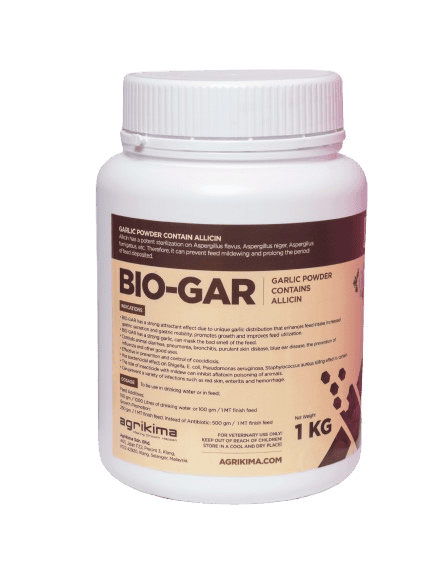
Using high-quality veterinary products and supplements can significantly enhance the health of your dairy herd. Products that support udder health and overall wellness can improve milk yield and quality, making it an essential consideration in your milking machine maintenance regimen.
Conclusion
Effective milking machine maintenance focusing on vacuum levels, pulsators, and liners is critical to running a successful dairy operation. By implementing daily checks, scheduling regular maintenance, and utilizing quality veterinary products, you can ensure optimal performance and the health of your cows.
Your message to the team
Sources: Read More
- Dairy cow milking: milking machine maintenance — Agriculture & Horticulture Development Board (AHDB)
- Troubleshooting Milking Systems (Pub. 2362) – LSU AgCenter — Louisiana State University Agricultural Center (LSU AgCenter), Cooperative Extension Service
- Milking, milk production hygiene and udder health — Food and Agriculture Organization of the United Nations (FAO)
- Milking Machine Inspection and Maintenance Checklist (ASC‑140) — University of Kentucky Cooperative Extension Service
- Effect of Vacuum and Milking Machine Liners on Liner Slip — Journal of Dairy Science (Penn State Univ.)
- Pulsation and vacuum — DairyNZ