Essential Mineral Supplementation for Cattle on Poor Pastures
Understanding Mineral Deficiencies in Cattle
Cattle often graze on pastures that may lack essential nutrients, leading to pasture mineral deficiency. This can result in a range of health issues, including stunted growth, poor reproductive performance, and increased susceptibility to diseases. Proper cattle nutrition minerals are crucial for maintaining herd health and productivity.
The Importance of Cattle Mineral Supplements
Mineral supplements play a vital role in addressing deficiencies that can arise from inadequate forage quality. They provide essential nutrients such as calcium, phosphorus, magnesium, and trace minerals. According to the University of Missouri Extension, mineral supplementation is essential for preventing deficiencies and ensuring optimal cattle performance.
Key Benefits of Mineral Supplementation
- Improves growth rates and weight gain.
- Enhances reproductive performance.
- Increases resistance to diseases.
- Boosts overall herd productivity.
Identifying Mineral Needs
Before implementing a mineral supplementation plan, it is important to assess the specific needs of your cattle and the mineral content of your pastures. Forages can vary widely in nutritional content, and as noted by North Dakota State University Extension, providing free-choice mineral supplements helps address these deficiencies.
Conducting a Forage Analysis
A thorough forage analysis can determine the mineral content of your pastures. This information allows for tailored supplementation strategies. If deficiencies are found, targeted mineral supplements can be introduced to correct these gaps. According to the Food and Agriculture Organization, deficiencies in minerals such as phosphorus, calcium, and magnesium can significantly impact cattle health.
Types of Mineral Supplements
There are several types of cattle mineral supplements available on the market:
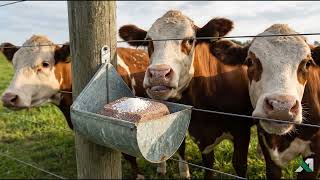
- Loose Mineral Mixes: These are often provided in free-choice feeders, allowing cattle to consume as needed.
- Mineral Blocks: These provide a compact source of minerals that cattle can lick as needed. They are convenient but may not always allow for adequate intake.
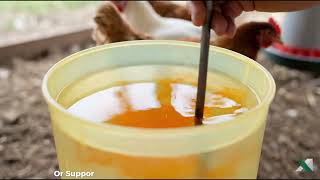
- Liquid Supplements: These can be mixed with water or feed and may contain a higher concentration of minerals.
Factors to Consider When Choosing a Supplement
When selecting a mineral supplement, consider the following:
- The specific mineral deficiencies identified in your forage analysis.
- The age and production stage of your cattle.
- The availability and cost of different supplement types.
Practical Tips for Effective Supplementation
To maximize the benefits of mineral supplementation, farmers should follow these practical tips:
- Consistency: Ensure that mineral supplements are available consistently, especially during critical growth and breeding periods.
- Monitor Intake: Keep track of how much mineral each animal consumes. Adjust the amount provided as needed to ensure adequacy without over-supplementing.
- Consider Seasonal Changes: Nutritional needs may change with the seasons. Adjust supplementation based on forage growth and quality.
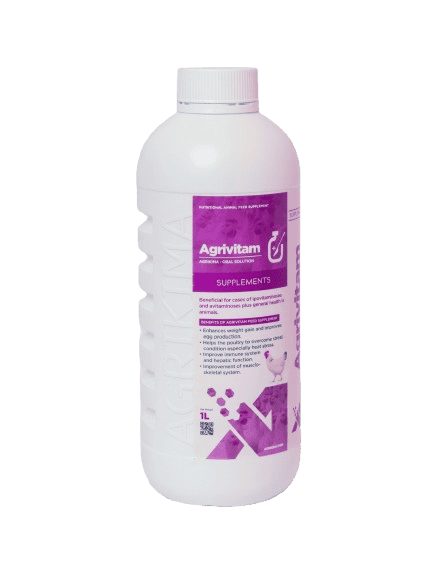
- Use Quality Products: Invest in high-quality mineral supplements to ensure the best results for your herd. Agrikima offers a range of natural animal health solutions that can support your cattle’s nutritional needs.
Conclusion
Mineral supplementation is crucial for maintaining the health and productivity of cattle, particularly when pastures are poor in essential nutrients. By understanding the specific mineral needs of your herd and implementing a tailored supplementation program, you can improve growth rates, enhance reproductive performance, and increase overall herd health. Remember to regularly evaluate pasture quality and cattle health to adjust your mineral supplementation strategy accordingly.
Your message to the team
Sources: Read More
- Mineral Supplementation of Beef Cattle — University of Missouri Extension
- Mineral and Vitamin Nutrition for Beef Cattle — University of Arkansas Division of Agriculture
- Mineral Supplements for Beef Cattle — North Dakota State University Extension
- Mineral Nutrition of Beef Cattle — Food and Agriculture Organization of the United Nations
- Mineral Supplementation for Beef Cattle — Alabama Cooperative Extension System
- Mineral Nutrition of Beef Cattle — Penn State Extension