Mineral Supplementation for Goats: Loose Mix vs Blocks
Understanding Goat Mineral Needs
Goats require a balanced intake of minerals and vitamins to maintain optimal health and productivity. Proper mineral supplementation is critical for preventing deficiencies that can lead to health issues such as selenium deficiency and copper toxicity.
Loose Mineral Mixes: The Preferred Choice
Loose mineral mixes are generally favored over blocks for several reasons:
- Consistent Intake: Loose minerals allow goats to consume the necessary nutrients at their own pace, ensuring they receive adequate amounts of essential minerals consistently.
- Better Access: Goats can easily access loose minerals, which can lead to better overall health compared to blocks that may not be consumed as readily.
- Customizable Nutrition: Farmers can tailor loose mineral mixes to meet the specific nutritional needs of their herd, addressing local soil deficiencies or health concerns.
Mineral Blocks: When Are They Useful?
While loose mixes are often recommended, mineral blocks can serve certain purposes:
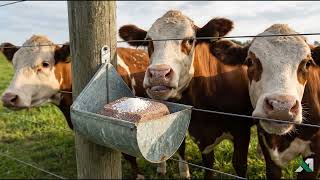
- Convenience: Blocks can be easier to manage and require less frequent refilling, making them a good option for farmers with larger herds.
- Long-lasting: They can provide a slow release of minerals, which may be beneficial in certain management systems.
However, it is crucial to note that mineral blocks may not supply adequate intake, leading to potential deficiencies.
Essential Minerals for Goats
When considering mineral supplementation, focus on the following key minerals:
- Calcium and Phosphorus: Vital for bone health and reproduction.
- Sodium and Chloride: Important for hydration and overall health. Salt licks can supplement these minerals, but they may not provide enough.
- Copper: Necessary for various bodily functions, but excessive intake can lead to copper toxicity, especially in certain goat breeds.
- Selenium: Crucial for preventing white muscle disease; supplementation is often necessary in areas where soil levels are low.
Practical Tips for Mineral Supplementation
Implement the following strategies to ensure your goats receive adequate mineral nutrition:
- Free-Choice Loose Minerals: Provide free access to loose mineral mixes to promote consistent intake. This method allows goats to self-regulate their mineral consumption based on their needs.
- Monitor Mineral Intake: Regularly check the consumption of loose minerals to ensure that goats are taking enough. Adjust the quantity provided based on their intake.
- Combine with Quality Feed: Ensure that the overall diet of your goats is balanced and includes quality feeds that complement the mineral supply.
- Consult a Veterinarian: Work with a veterinarian to assess your herd’s specific mineral needs and to address any health issues related to mineral deficiencies or toxicities.
Conclusion
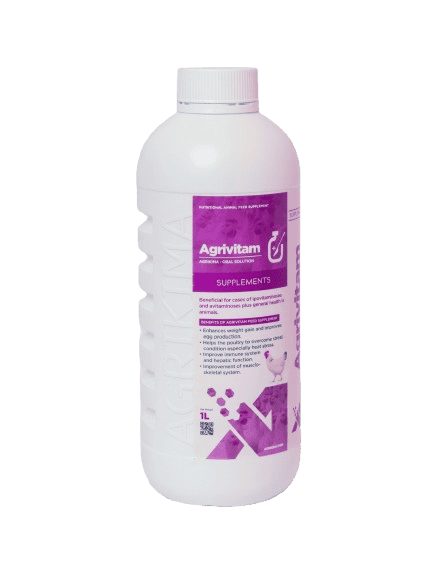
In conclusion, when considering goat minerals, loose mixes generally provide a more effective solution compared to blocks. They ensure consistent intake of essential nutrients, which is critical for maintaining the health and productivity of your goats. For optimal results, consider quality veterinary products and supplements that meet the specific needs of your herd. By prioritizing proper mineral supplementation, you can enhance the overall well-being of your goats and support a successful farming operation.
Your message to the team
Sources: Read More
- Goat Nutrition: Mineral and Vitamin Supplementation — Purdue University Extension
- Mineral Supplementation for Goats — University of Arkansas Division of Agriculture
- Copper Toxicity in Small Ruminants — University of Vermont Extension
- Selenium Deficiency in Sheep and Goats — Food and Agriculture Organization (FAO)
- Salt and Mineral Supplementation for Goats — Maryland Small Ruminant Page