Building a Mobile Chicken Coop for Free-Range Layers
Introduction
As more farmers embrace free-range poultry farming, the mobile chicken coop design has emerged as a practical solution. A mobile chicken coop, often referred to as a chicken tractor, allows farmers to provide their hens with fresh forage, while also ensuring their safety and comfort. This article will guide you through the process of building an effective mobile chicken coop for your free-range layers.
Benefits of a Mobile Chicken Coop
- Enhanced Foraging: Mobile coops can be moved regularly, allowing chickens access to fresh grass and insects.
- Healthier Birds: Continuous movement reduces the risk of diseases and parasites.
- Improved Egg Production: Hens with access to a varied diet tend to lay more eggs.
- Sustainable Practices: These coops promote natural behaviors and can improve soil health.
Key Considerations for Your Chicken Tractor Build
When embarking on your chicken tractor build, there are several important factors to consider:
1. Size and Capacity
Determine the number of layers you plan to keep. A general guideline is to allow 3-4 square feet per bird. Ensure your coop can comfortably accommodate the flock size you envision.
2. Materials
Choosing the right materials is crucial for durability and safety. Common options include:
- Wood: Provides good insulation and is easy to work with.
- Metal: Offers longevity and resistance to pests.
- Wire Mesh: Essential for ventilation and protection against predators.
3. Design Features
Your mobile coop should include several key features:
- Ventilation: Proper airflow is vital for maintaining a healthy environment. Include windows and ventilation holes.
- Nesting Boxes: Provide at least one nesting box for every 3-4 hens to encourage egg-laying.
- Roosting Bars: Ensure your hens have space to roost comfortably at night.
- Access Doors: Design doors for easy access to collect eggs and clean the coop.
Steps to Build Your Mobile Chicken Coop
Follow these steps to construct your mobile chicken coop:
Step 1: Plan Your Design
Sketch a basic layout of your coop, incorporating the size, doors, and nesting boxes. Consider how many wheels you'll need for mobility.
Step 2: Gather Materials
Purchase your materials based on your design. Ensure you have high-quality lumber, screws, and wire mesh. Don't forget the wheels for mobility!
Step 3: Build the Frame
Begin by constructing the frame of the coop. Use sturdy wood to create a rectangular base. Ensure that it’s strong enough to support the coop’s weight and withstand the elements.
Step 4: Add Walls and Roof
Attach walls using plywood or metal sheets. Make sure to leave openings for windows and doors. Cover the structure with a sloped roof to prevent water accumulation.
Step 5: Install Ventilation
Cut out openings for windows and cover them with wire mesh to keep out predators while allowing for airflow.
Step 6: Create Nesting Boxes and Roosts
Add nesting boxes inside the coop, placing them at a height that is easily accessible for the hens. Install roosting bars above the nesting boxes for nighttime comfort.
Step 7: Add Wheels
Attach wheels to the base of the coop, ensuring they are sturdy and capable of handling the weight. Consider using locking casters to keep the coop stable when stationary.
Maintaining Your Mobile Chicken Coop
To keep your layers healthy and productive, regular maintenance is essential:
- Clean the Coop: Regularly remove droppings and replace bedding to prevent disease.
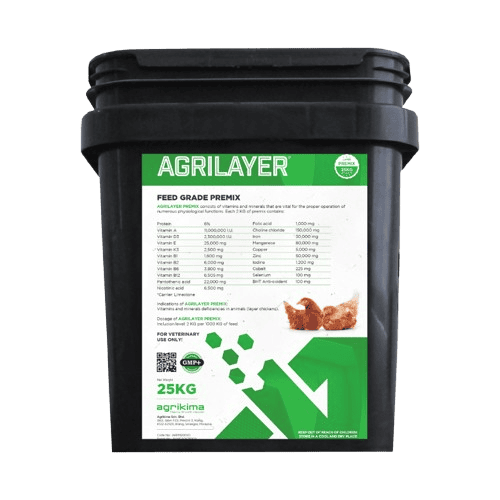
- Monitor Health: Keep an eye out for any signs of illness. High-quality veterinary products and supplements from Agrikima can support your flock's health.
- Rotate Pasture: Move the coop regularly to provide fresh forage and prevent overgrazing.
Conclusion
Building a mobile chicken coop for free-range layers not only enhances the welfare of your birds but also contributes to higher egg production and sustainable farming practices. By following the guidelines outlined in this article, you can create a coop that meets the needs of your flock while enjoying the benefits of a healthier, mobile farming approach.