Natural Solutions for Controlling Worms and Mange in Pigs
Introduction
Managing the health of pigs is crucial for any farmer, especially when it comes to internal parasites and skin diseases like mange. This article focuses on pig deworming and natural mange treatment for pigs, offering practical tips for pig parasite control without relying heavily on chemical solutions.
Understanding Internal Parasites in Pigs
Pigs are susceptible to various internal parasites, including roundworms like Ascaris suum. These parasites can lead to poor growth rates, malnutrition, and overall health decline. Natural deworming strategies are gaining popularity due to their effectiveness and lower environmental impact.
Natural Deworming Methods
One promising method involves the use of papaya latex. Research shows that administering papaya latex orally can reduce worm counts by up to 100% in pigs infected with Ascaris suum. This natural remedy can be prepared easily on the farm:
- Collect fresh papaya latex by cutting the fruit and allowing the sap to drip.
- Administer it in small doses mixed with feed.
Another effective and environmentally friendly option is using a new class of deworming agents derived from Bacillus thuringiensis. Studies indicate that this agent is effective against intestinal roundworms in pigs, providing a natural alternative to conventional dewormers.
Controlling Mange in Pigs
Mange is a skin condition caused by parasitic mites, leading to itching, hair loss, and skin infections. It is essential to control mange effectively to maintain the health and productivity of your pigs.
Natural Treatment Options
To treat mange naturally, farmers can use essential oils that have antimicrobial properties. Oils such as tea tree and lavender can be diluted and applied to affected areas. Here’s how to do it:
- Mix a few drops of essential oil with a carrier oil such as coconut oil.
- Apply the mixture to the affected areas of the pig’s skin.
- Repeat the application every few days until the condition improves.
Furthermore, regular spraying or dipping with suitable preparations can significantly reduce mange infestation. Repeated treatments every two weeks are recommended for effective control.
General Practices for Pig Health
Maintaining a clean and stress-free environment is key to preventing worm infestations and mange. Here are some practices to consider:
- Regular Cleaning: Keep the pigsty and surrounding areas clean to reduce parasite loads.
- Proper Nutrition: Ensure pigs receive a balanced diet to boost their immune systems, making them less susceptible to infections.
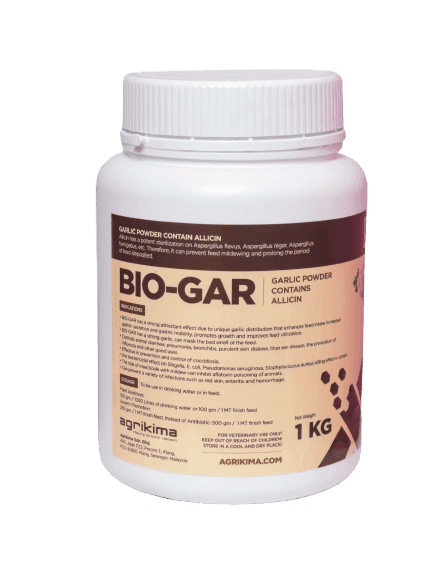
- Natural Supplements: Consider adding natural supplements that enhance immunity and overall health.
Monitoring and Assessing Pig Health
Regular monitoring is essential to catch any signs of parasitic infections early. Signs to look for include:
- Weight loss or poor growth rates.
- Visible skin irritations or hair loss.
- Changes in behavior, such as increased scratching or lethargy.
Integrating Natural Solutions with Veterinary Products
While natural remedies can be effective, it is advisable to integrate them with quality veterinary products for comprehensive health management. Consult with a veterinarian to create a tailored deworming schedule and treatment plan that fits your farm's specific needs.
Conclusion
Controlling worms and mange in pigs naturally is not only possible but also beneficial for maintaining a healthy herd. By utilizing natural deworming agents like papaya latex, essential oils for mange treatment, and adhering to good husbandry practices, farmers can enhance the welfare of their pigs while reducing reliance on chemical treatments.
Your message to the team
Sources: Read More
- Medicinal plants to limit parasitism and pathogenic bacteria in pigs — Food and Agriculture Organization (FAO)
- Chapter 4: The pig — Food and Agriculture Organization (FAO)
- Researchers Study New Class of Animal Deworming Agent — U.S. Department of Agriculture (USDA) Agricultural Research Service
- Effect of papaya latex against Ascaris suum in naturally infected pigs — Bogor Agricultural University
- Internal parasites of swine: natural history and control — Michigan State University, Cooperative Extension Service