Nutrition for Senior Dogs: Essential Tips for Health
Understanding Senior Dog Nutrition
As dogs age, their nutritional needs change significantly. Senior dog nutrition is crucial for maintaining their health and quality of life. Just like humans, dogs experience a slowdown in metabolism and physical activity as they grow older, making it essential to adjust their diet accordingly.
Why Nutrition Matters for Aging Dogs
Proper nutrition plays a vital role in aging dog care. A well-balanced diet can help manage weight, support organ function, and improve overall vitality, which are all critical for senior pet health. Older dogs often face various age-related health issues, and the right diet can help mitigate these problems.
Key Nutritional Adjustments
- Lower Calories, Higher Fiber: Senior dogs may require diets lower in calories but higher in fiber to support digestive health and prevent weight gain. Foods rich in fiber can also help maintain regular bowel movements, which can be a concern for aging dogs.
- Protein Levels: Adjusting protein levels is crucial for maintaining muscle mass and supporting organ function. Older dogs often benefit from a moderate protein intake, which helps to keep their muscles healthy as they age.
- Antioxidants: Nutrients rich in antioxidants can combat age-related health issues and support the immune system. Incorporating fruits and vegetables high in antioxidants can be beneficial for senior dogs.
- Vitamins and Minerals: Senior dogs may have altered nutrient requirements, including increased needs for certain vitamins and minerals to support their aging bodies.
Choosing the Right Food for Senior Dogs
When selecting food for your senior dog, look for products specifically formulated for older dogs. These foods often contain the right balance of nutrients tailored to meet their unique needs. Here are some tips for choosing the right diet:
Look for Quality Ingredients
Always choose high-quality dog food with real meat as the first ingredient. Whole grains, vegetables, and fruits should also be included to provide a balanced diet. Avoid foods with fillers or artificial ingredients.
Consider Wet vs. Dry Food
Some senior dogs may benefit from wet food, which can be easier to chew and digest. Wet food often contains higher moisture content, which can help keep your dog hydrated. However, dry kibble can aid in dental health by reducing plaque buildup.
Introduce Supplements if Necessary
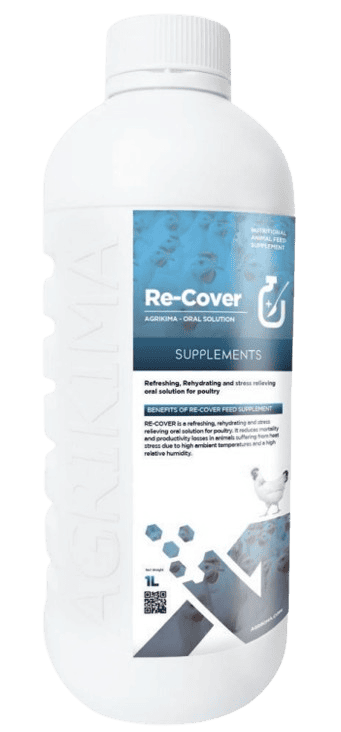
In some cases, senior dogs may benefit from dietary supplements to address specific health concerns. Omega-3 fatty acids, glucosamine, and chondroitin can support joint health, while probiotics can aid digestion. Agrikima offers a range of quality veterinary products that can help ensure your senior dog gets the nutrients they need.
Feeding Guidelines for Senior Dogs
Establishing a feeding routine can greatly benefit your senior dog’s health. Here are some guidelines to consider:
- Regular Meal Times: Feed your senior dog at the same times each day to establish a routine, which can help with digestion and overall health.
- Monitor Portions: Adjust portion sizes based on your dog's weight and activity level. Overfeeding can lead to obesity, which is a common issue in older dogs.
- Gradual Changes: When changing your dog's food, do so gradually over a week to prevent digestive upset. Mix the new food with the old food to ease the transition.
Signs Your Senior Dog May Need Dietary Changes
It's essential to be vigilant about your dog's health. Here are signs that may indicate a need for dietary adjustments:
- Weight gain or loss
- Changes in appetite
- Digestive issues such as diarrhea or constipation
- Decreased energy levels
- Changes in coat condition or skin health
Regular Veterinary Check-Ups
Lastly, regular veterinary visits are crucial for monitoring your senior dog's health. Your vet can provide tailored advice regarding old dog diet, recommend supplements, and help you adjust feeding practices based on your dog's specific needs. They can also perform tests to check for underlying health issues that may require dietary changes.
Conclusion
Maintaining the health of your senior dog through proper nutrition is essential for their quality of life. By adjusting their diet to meet the changing needs of their aging body, you can help ensure they remain happy and healthy. Incorporating quality veterinary products can also provide additional support. Remember, a well-nourished senior dog is a happy dog!