Understanding the Role of Nutrition in Beef Cattle Health

Introduction
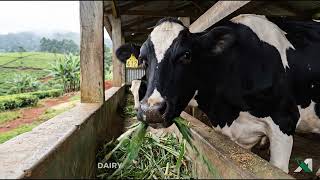
Nutrition plays a pivotal role in the overall health and productivity of beef cattle. Understanding the nutritional needs of these animals is essential for optimizing growth, improving meat quality, and ensuring the well-being of the herd. This article will explore the importance of nutrition in beef cattle and provide actionable tips for farmers to enhance their feeding practices.
The Basics of Beef Cattle Nutrition
Beef cattle require a balanced diet that includes energy, protein, vitamins, and minerals. Their nutritional requirements can vary based on age, weight, and production stage (e.g., growing, finishing, breeding). Here are some key components:
- Energy: Carbohydrates and fats are essential for energy. For growing cattle, high-energy feeds like grain and silage can promote weight gain.
- Protein: Protein is crucial for muscle development and overall health. Good sources include soybean meal, alfalfa, and other legumes.
- Vitamins: Vitamins A, D, and E are vital for maintaining health, immune function, and reproductive performance.
- Minerals: Calcium and phosphorus are essential for bone health, while trace minerals like zinc and selenium support metabolic functions.
Identifying Nutritional Deficiencies
Farmers should be vigilant about signs of nutritional deficiencies in their cattle. Common symptoms include:
- Poor growth rates
- Weakness or lethargy
- Low fertility rates
- Hair coat changes
Regular veterinary check-ups and blood tests can help identify deficiencies early, allowing for timely nutritional interventions.
Implementing a Balanced Feeding Program
To promote optimal health and productivity in beef cattle, consider the following practical tips for feeding:
1. Assess the Nutritional Needs
Before creating a feeding program, assess the specific nutritional needs based on the cattle's age, weight, and production goals. This involves calculating the required energy and protein levels using nutritional guidelines.
2. Use Quality Feed Sources
Invest in high-quality feed that meets the nutritional requirements of your herd. Supplementing with high-grade forages, grains, and protein sources can significantly improve health outcomes.
3. Monitor Body Condition
Regularly assess the body condition of your cattle to ensure they are neither underweight nor overweight. Adjust the feeding program accordingly to maintain optimal condition scores.
4. Provide Fresh Water
Access to clean, fresh water is crucial for digestion and overall health. Ensure that water sources are available and easily accessible for the cattle at all times.
5. Implement Feeding Strategies
Consider using feeding strategies such as:
- Forage-based diets: Encourage natural grazing and supplement with concentrates when necessary.
- Limit feeding: Control the amount of feed given to prevent overeating and waste.
- Group feeding: Feed cattle in groups based on age and size to better manage their specific nutritional needs.
The Importance of Regular Veterinary Consultation
Working closely with a veterinarian can help farmers optimize their beef cattle nutrition. A vet can provide insights into:
- Nutritional assessments
- Recommended supplements and additives
- Preventive health care strategies
Conclusion
Proper nutrition is fundamental to the health and productivity of beef cattle. By understanding their dietary needs and implementing effective feeding strategies, farmers can support their herds in achieving optimal growth and health. Remember that quality veterinary products and nutritional supplements can play a significant role in this process, ensuring that your cattle receive all necessary nutrients for their well-being.