Pellet Feed Production vs Mash Feed Production
Understanding Feed Types: Pellet Feed vs Mash Feed
In the world of animal nutrition, choosing the right feed is essential for optimal growth and productivity. Two popular forms of feed are pellet feed and mash feed. Each has its own production process and advantages. This guide will explore the differences, helping farmers make informed decisions for their livestock.
What is Pellet Feed?
Pellet feed is a type of processed animal feed that is formed into small, cylindrical shapes. It is produced by compressing mixed ingredients through a pellet mill machine, which heats and binds the ingredients together. The feed pelleting process involves several stages, including conditioning, pelleting, and cooling.
The Pellet Feed Production Process
- Ingredient Selection: Start with high-quality raw materials, including grains, legumes, vitamins, and minerals.
- Grinding: Ingredients are ground into a fine powder to ensure uniform mixing.
- Mixing: All ingredients are mixed thoroughly to create a balanced formulation.
- Conditioning: The mixture is heated with steam, which softens the ingredients and activates binders.
- Pelleting: The conditioned feed is forced through a die in the pellet mill machine, forming pellets.
- Cooling: The pellets are cooled to harden them and reduce moisture content, enhancing shelf life.
The Advantages of Pellet Feed
Pellet feed offers several significant benefits for farmers:
- Improved Nutrient Absorption: The pelleting process enhances digestibility, allowing animals to absorb nutrients more efficiently.
- Reduced Feed Waste: Pellets are less likely to be sorted through by animals, minimizing waste and ensuring that livestock consume the desired nutrients.
- Convenient Storage: Pellets take up less space and are easier to handle than bulk mash feeds.
- Longer Shelf Life: The cooling process reduces moisture, helping prevent mold and spoilage.
- Customizable Formulations: Farmers can easily adjust formulations to meet specific nutritional needs.
What is Mash Feed?
Mash feed is a type of feed that consists of coarsely ground ingredients mixed together without undergoing any pelleting process. It is often less processed than pellet feed and can be easier to produce on a smaller scale.
The Mash Feed Production Process
- Ingredient Selection: Similar to pellets, high-quality ingredients are essential.
- Grinding: Ingredients are ground into a coarse mixture.
- Mixing: All components are mixed until evenly distributed.
Advantages of Mash Feed
Mash feed has its own set of advantages:
- Cost-Effective: It requires less equipment and energy to produce, making it a budget-friendly option.
- Simple Production: Farmers can create mash feed easily on their farms without the need for advanced machinery.
- Better for Certain Species: Some animals, such as younger poultry, may prefer the texture of mash feed.
- Less Processing: The minimal processing means that the feed retains more of its natural characteristics.
Comparing Pellet Feed and Mash Feed
When deciding between pellet feed and mash feed, consider the following factors:
- Nutritional Needs: Evaluate the specific dietary requirements of your livestock. Pellet feed may be better for high-performance animals requiring precise nutrition.
- Production Capacity: If you have the capability to invest in a pellet mill machine, you might benefit from producing pellets.
- Animal Preference: Observe your animals' preferences; some may thrive better on pellets, while others may do well on mash.
- Feed Management: Pellet feed generally reduces waste and improves feed management, especially in larger operations.
Enhancing Feed with Supplements
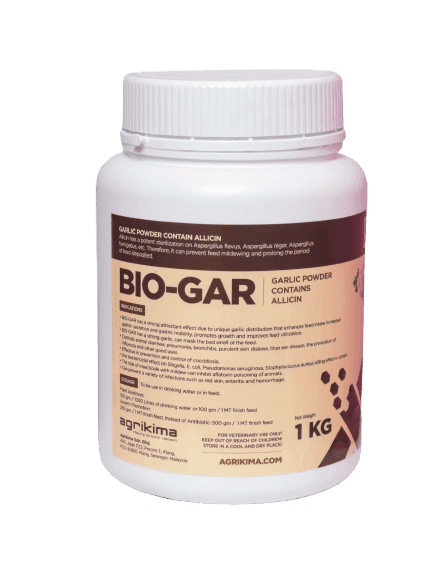
Regardless of the type of feed chosen, consider enhancing it with quality veterinary products and supplements. Utilizing a pellet binder can help in the formulation of mash feed if you decide to explore hybrid options. Binders improve the nutritional profile and can enhance the overall health of your livestock.
Conclusion
Both pellet feed production and mash feed production have their unique benefits and are suitable for different farming situations. Understanding your livestock's needs, production capabilities, and costs will help you make informed decisions. Whether you choose pellets or mash, always ensure that the feed is of high quality and meets the nutritional requirements of your animals. With the right approach, you can maximize the health and productivity of your livestock.