Essential Pig Batch Cleaning Protocols to Break Disease Cycles
Introduction
Maintaining the health and productivity of your pig farm is crucial, and one of the most effective ways to achieve this is through stringent cleaning protocols between pig batches. An effective pig batch cleaning protocol can significantly reduce the risk of disease transmission and enhance the overall biosecurity of your operation.
Understanding the Importance of Cleaning
Cleaning is the first and most essential step in disease prevention. It involves removing visible organic and inorganic matter from surfaces, which helps eliminate a large percentage of microorganisms present in the environment. This process is particularly critical in facilities employing the all-in, all-out piggery system, where entire groups of pigs are moved out simultaneously, allowing for thorough cleaning and disinfection.
All-In, All-Out Piggery System
The all-in, all-out piggery system is a management strategy that facilitates better control over disease outbreaks. By moving all pigs out before introducing a new batch, farmers can effectively break the cycle of disease transmission. This system benefits from rigorous cleaning protocols that ensure all surfaces are disinfected before new pigs are brought in.
Steps for Effective Pig Pen Disinfection
To implement a successful pig batch cleaning protocol, follow these steps:
- Remove all organic matter: Start by removing all bedding, feed, and manure from the pens. This step is crucial as organic material can harbor pathogens.
- Wash surfaces: Use a high-pressure washer to clean all surfaces, including walls, floors, and equipment. Water-based cleaning methods have been shown to be effective in reducing viral contamination.
- Apply a disinfectant: Choose a disinfectant that is effective against the specific pathogens of concern on your farm. Follow the manufacturer's instructions for application and contact time for maximum effectiveness.
- Rinse and dry: After disinfecting, rinse surfaces with clean water to remove any chemical residues. Allow all areas to dry thoroughly; many pathogens thrive in moist environments.
- Inspect and monitor: Regularly inspect the premises for cleanliness and signs of disease. Monitoring can help identify potential issues before they escalate.
Implementing Biosecurity Measures
In addition to cleaning, implementing strong biosecurity measures is essential for maintaining a healthy pig environment. Biosecurity practices should include:
- Limiting access to the piggery to essential personnel.
- Using site-specific clothing and footwear for all staff and visitors.
- Regularly providing training on biosecurity protocols for all employees.
- Keeping records of all visitors and movements of animals in and out of the farm.
Studies show that farms with effective biosecurity measures, particularly those employing an all-in, all-out flow management system, experience lower disease incidence compared to those that do not.
The Role of Veterinary Products
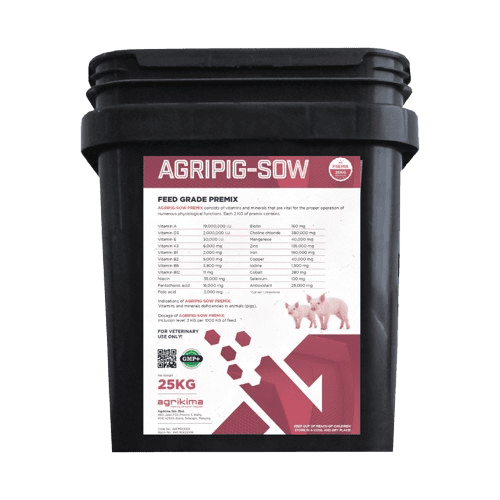
Incorporating quality veterinary products and supplements can further enhance your farm's health management strategy. Probiotics and health supplements can support the immune system of your pigs, providing them with additional protection against diseases during transitional periods. Regular vaccinations and appropriate deworming schedules are also crucial.
Conclusion
Implementing a robust pig batch cleaning protocol is essential for breaking disease cycles in your piggery. By adhering to thorough cleaning procedures and reinforcing biosecurity measures, you create a healthier environment for your pigs, ultimately leading to improved productivity and profitability. Remember that investing in veterinary products can be a game-changer in maintaining the health of your herd. By prioritizing these practices, you contribute to a sustainable and successful pig farming operation.
Your message to the team
Sources: Read More
- NVAP Reference Guide: Cleaning and Disinfection — Animal and Plant Health Inspection Service (APHIS)
- Development and evaluation of a standardised sampling protocol to determine the effect of cleaning in the pig sty — Food and Agriculture Organization (FAO)
- Biosecurity on U.S. Swine Operations — Animal and Plant Health Inspection Service (APHIS)
- Biosecurity Practices Protect Pigs and People — Swineweb.com
- Water-Based Cleaning and Disinfection Proven Most Effective for PEDv Inactivation in Swine Transport Trailers — Swineweb.com