Practical Pig Deworming and Spraying Schedule
Mange, Lice, and Internal Worms: A Practical Pig Deworming and Spraying Schedule
Pigs are susceptible to various parasites, including mange, lice, and internal worms, which can severely affect their health and productivity. Implementing a practical pig deworming schedule is essential to ensure their well-being. In this guide, we will discuss effective treatment strategies and a detailed schedule for managing these common issues.
Understanding Common Pig Parasites
Before establishing a pig deworming schedule, it is crucial to understand the parasites that can affect pigs:
- Mange: Caused by mites, mange leads to intense itching, skin irritation, and hair loss, making treatment necessary.
- Lice: These blood-sucking parasites cause skin irritation and stress, leading to reduced growth rates and productivity.
- Internal Worms: Common types include roundworms, whipworms, and lungworms, which can lead to malnutrition and poor health in pigs.
Practical Pig Deworming Schedule
To effectively manage mange, lice, and internal worms, follow this practical pig deworming schedule:
Monthly Deworming
For pigs older than 8 weeks, deworming should occur monthly. Use a broad-spectrum dewormer that targets both internal worms and external parasites. Consult with a veterinarian for specific product recommendations.
Seasonal Lice Treatment
Lice infestations are more common in winter months. Implement the following schedule:
- January: Apply a pig lice spray to all pigs, ensuring even coverage.
- March: Repeat the lice treatment, especially for breeding sows and young pigs.
- May: Conduct a follow-up treatment if lice are still present.
Mange Treatment Schedule
Mange can be persistent and requires a focused treatment strategy. Follow this schedule:
- Initial Treatment: Administer a veterinary-approved mange treatment for pigs every two weeks until symptoms resolve.
- Follow-Up: After the initial treatment course, monitor pigs closely for signs of reinfestation. Re-treat if necessary, especially in cases of severe infestation.
Internal Deworming Schedule
For internal worms, pigs should be dewormed as follows:
- 8 to 12 Weeks Old: Begin with a dewormer suitable for young pigs.
- Every 3 Months: Continue deworming every three months for adult pigs to maintain parasite control.
Integrating Quality Veterinary Products
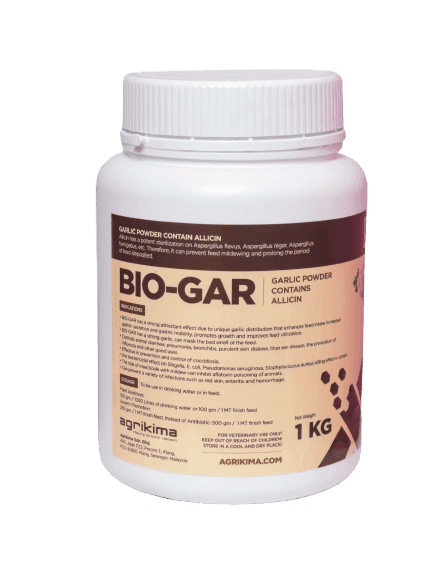
Using quality veterinary products and supplements can significantly enhance the effectiveness of your pig deworming schedule. Consider including:
- Probiotics: Support gut health post-deworming.
- Mineral Supplements: Boost overall health and immunity.
- Specific Dewormers: Tailored to combat specific parasites in your herd.
Monitoring and Adjusting Your Schedule
Regular monitoring of your pigs is essential to determine the effectiveness of your deworming and treatment strategies. Look for signs of:
- Improved coat condition
- Increased weight gain
- Decreased scratching and skin irritation
Adjust your pig deworming schedule based on these observations and consult a veterinarian for tailored advice.
Conclusion
Maintaining a practical pig deworming schedule is crucial for controlling mange, lice, and internal worms. By following a monthly and seasonal treatment plan, integrating quality veterinary products, and continuously monitoring your pigs, you can ensure their health and productivity. Regular consultations with a veterinary expert can further enhance your parasite control strategies.